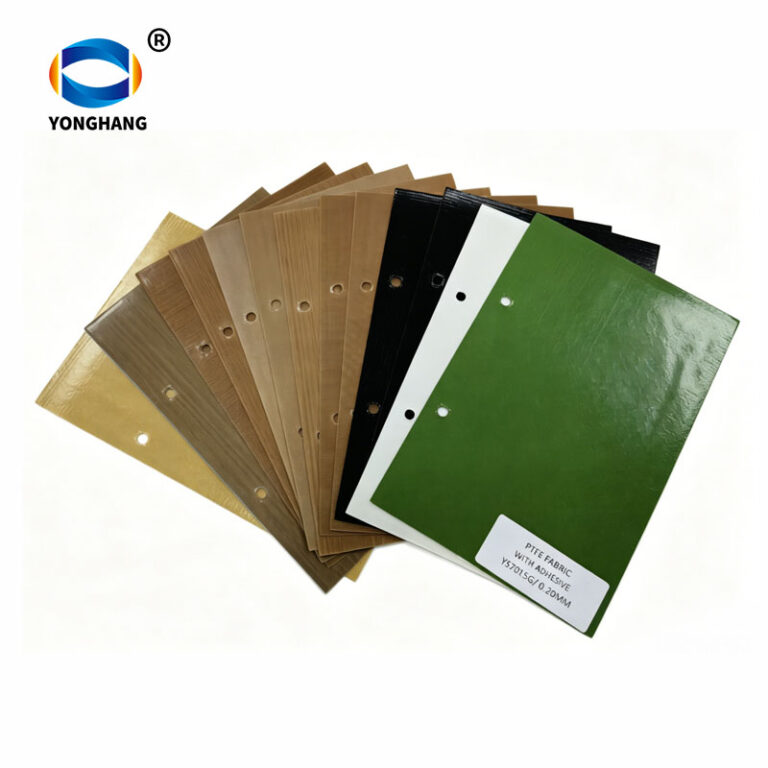
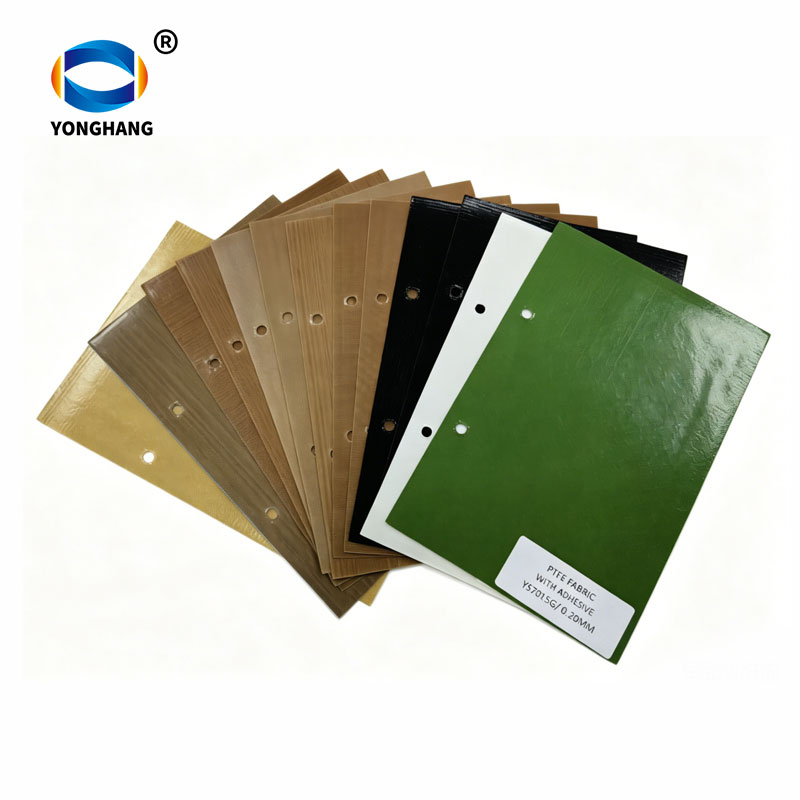
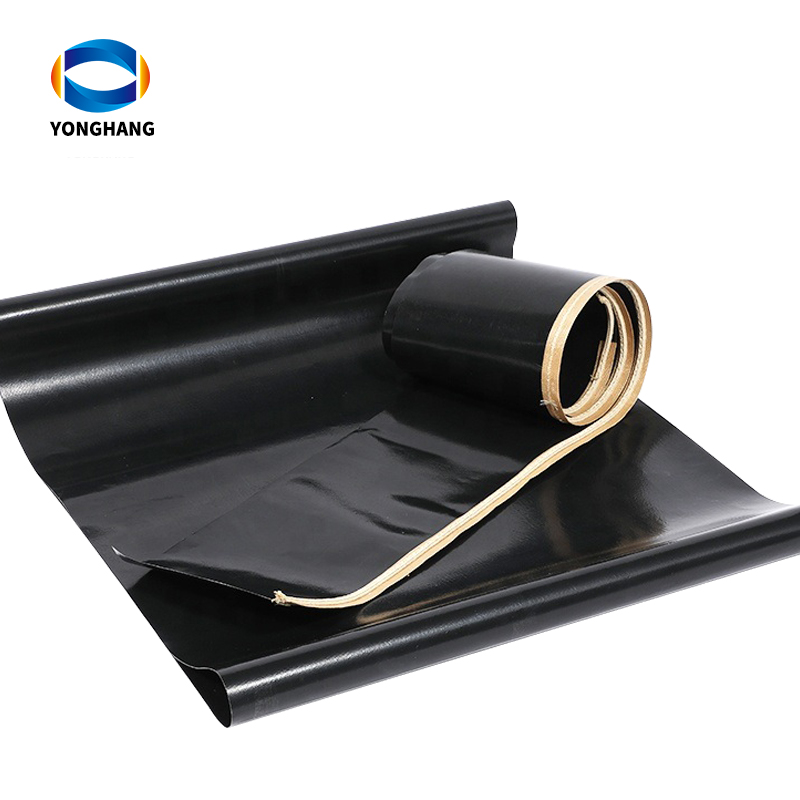
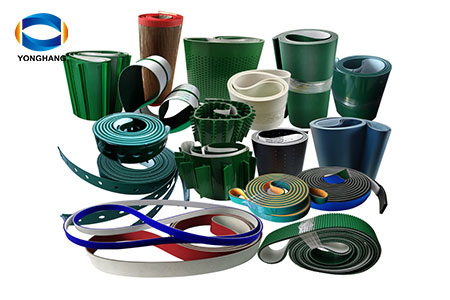
Yonghang can manufacture all types of PTFE conveyor belts , including surface coating applications, varying hardness levels,different colors, multiple pattern designs. including FDA/USDA approved materials.
Our PTFE conveyor belts can be fabricated with bottom v-guides and ,Different connection methods for metals, joining methods, seamless and open types, various edge treatments,Punching holes etc.
Our product range includes PTFE architectural membrane materials, high-temperature-resistant Teflon coatings,Solid Teflon Fabric Belt,Teflon mesh conveyor belts, Teflon adhesive tapes, conveyor belts for photovoltaic string welding machines,silicone baking mats,fluorocarbon cloth,PTFE-coated glass fibre cloth,solar laminating cloth,seamless fusing belts.and other products, as well as the custom manufacture of various models of PTFE-coated conveyor belts.
We offer bespoke manufacturing from the raw materials stage onwards, providing customised services including the thickness, colour, pattern and special properties of conveyor belts.
We maintain ample stock and offer rapid delivery, as well as lifetime after-sales support.
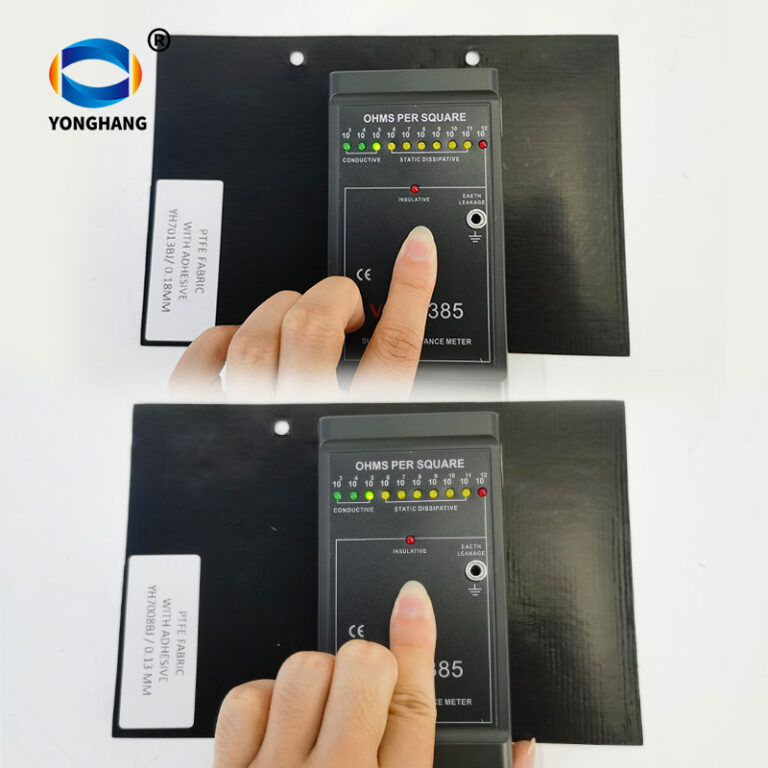
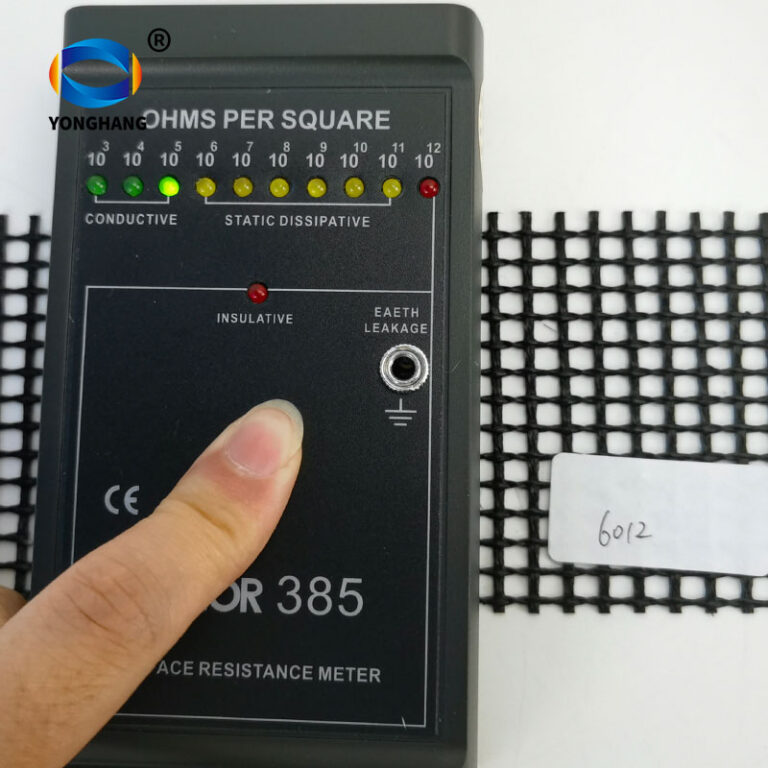
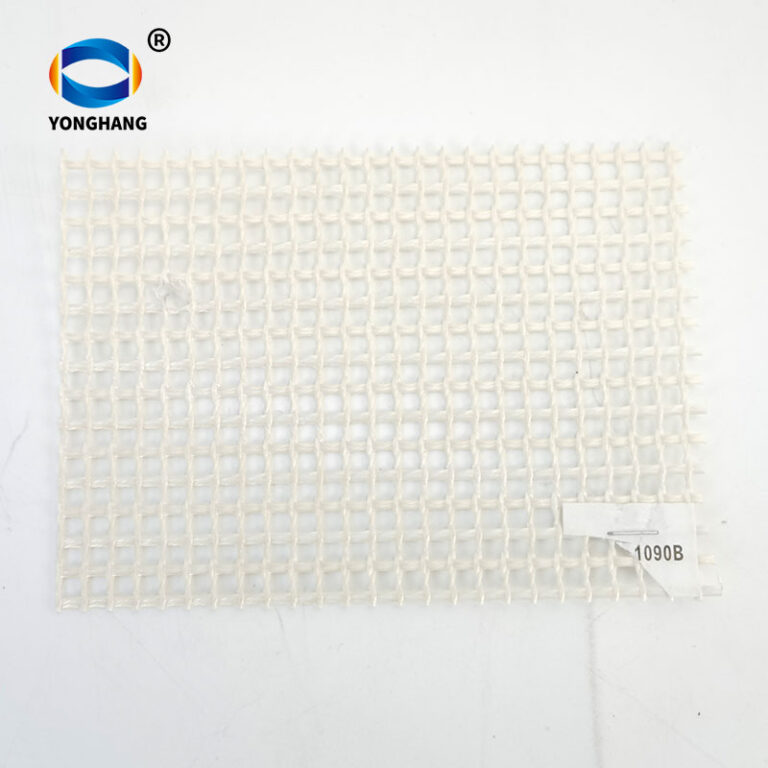
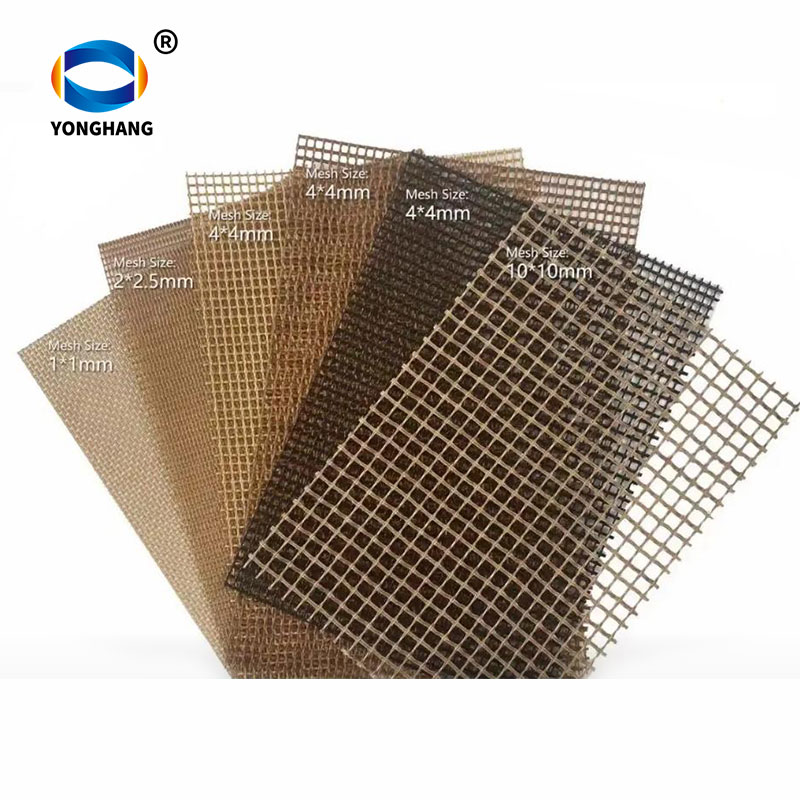
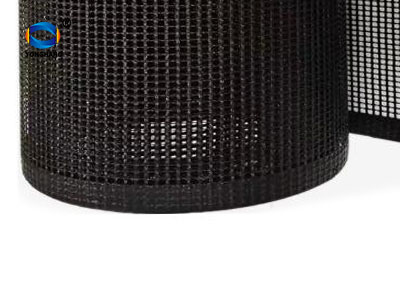
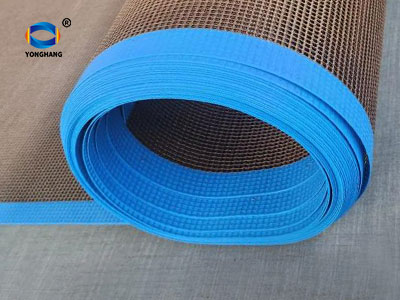
Black anti-static PTFE mesh belt adopts high strength glass fiber or kevlar mesh cloth as substrate, impregnated with carbon-filled conductive modified PTFE resin and sintered at high temperature into open mesh conveyor belt. Uniform mesh structure facilitates hot air circulation, exhaust and water draining; carbon black conductive ingredient is evenly blended into PTFE coating to…
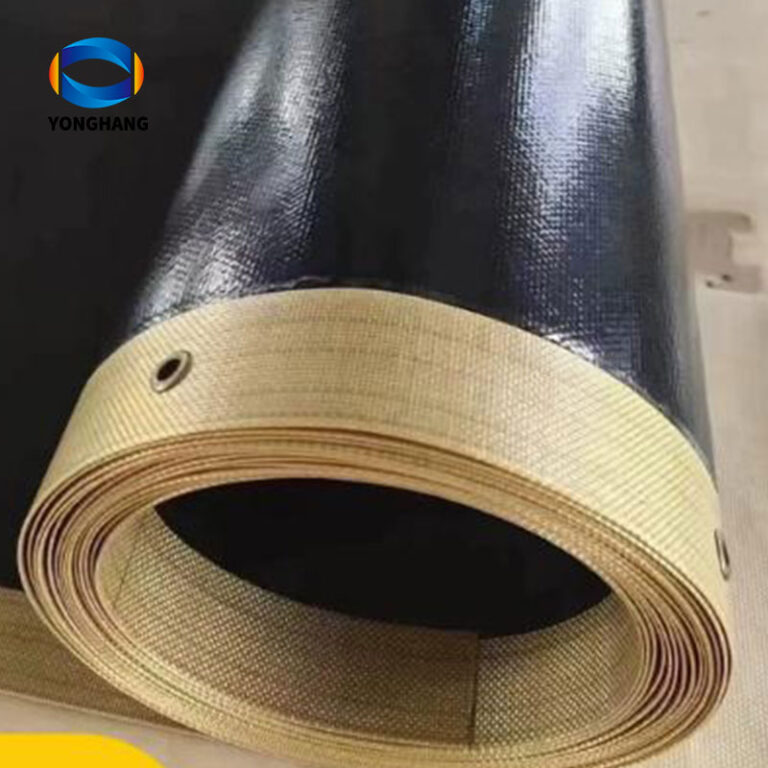
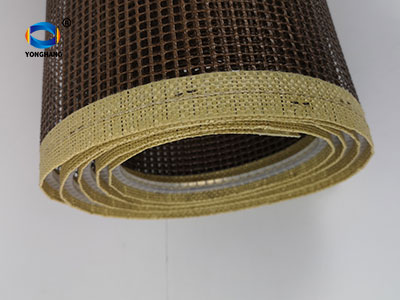
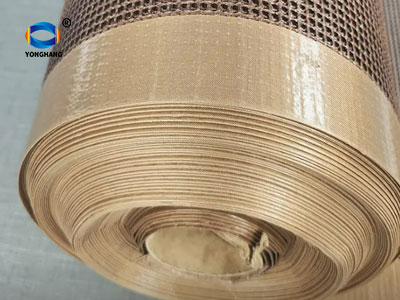
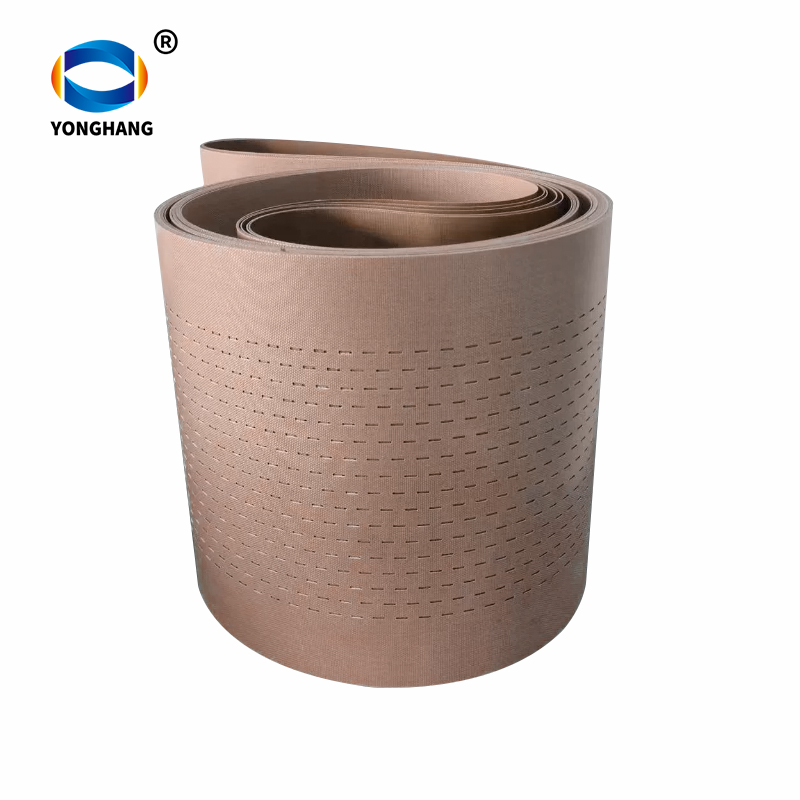
Non-mesh brown solid PTFE belt is solid plain fiberglass base fabric fully impregnated & double-side coated with modified brown PTFE resin, no mesh holes, fully compact smooth surface, finished into endless/open conveyor belt for high-temperature non-stick conveying. Brown pigmented PTFE coating improves abrasion resistance & anti-aging performance vs standard natural white PTFE fabric, compact seamless…
The fibreglass fabric is fully impregnated with black PTFE (Teflon) resin and sintered at high temperature, resulting in a smooth, seamless surface with no open pores. specifications thickness max width tensile strength colour 0.25mm 2400mm 1422N±50N/5CM White/Brown/Black 0.30mm 2600mm 1642N±50N/5CM White/Brown/Black 0.35mm 2600mm 1722N±50N/5CM White/Brown/Black 0.50mm 2600mm 1822N±50N/5CM White/Brown/Black 0.65mm 2600mm 2252N±50N/5CM White/Brown/Black 0.75mm 2600mm…
Product Overview We offer high-quality Teflon Impression Cloth Fabric with Teflon material, non-stitched technics, plain pattern. Ideal for bags & backpacks, this fabric is perfect for mesh chair style applications. With impeccable finish and durability, this fabric is suitable for manufacturers,, suppliers, retailers, distributors, and importers looking for premium textile solutions. Our food-grade PTFE conveyor…
Conveyor belts are made of fiberglass foil (PTFE), which is joined into an endless conveyor belt in different ways and with different types of joints. In addition, the belts may have reinforced or stitched edges, overlapped joints, guides or be fitted with various other accessories. ptfe coated fiberglass fabric conveyor belts are designed for use in…
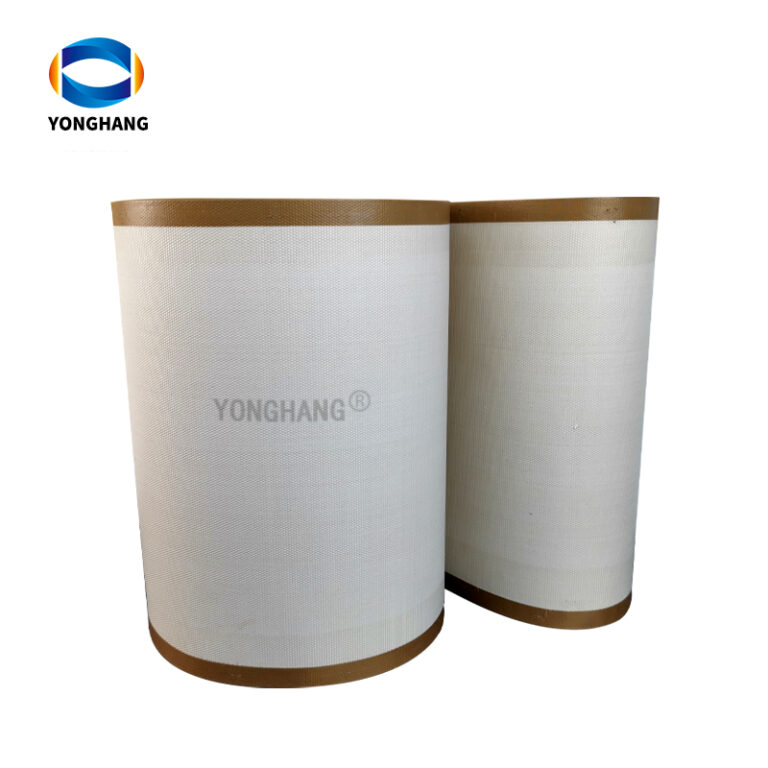
The white PTFE(Teflon )conveyor mesh belt is a food-grade mesh belt typically used in biscuit drying machines, tea processing, or drying lines for traditional Chinese medicinal herbs. It complies with FDA certification and is suitable for use in clean environments such as medical and food facilities. specifications Model Mesh Size Colour Material Weight Temp Resistance Max…
There are various methods for joining PTFE conveyor belts, each with their own advantages and specific use cases. Below are the common types of belt joints used in industrial applications.
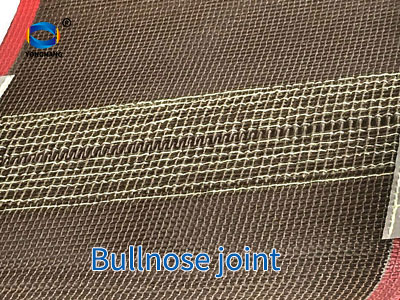
bullnose joint
bullnose joint it’s the default industry standard for PTFE mesh belts: balanced strength, easy maintenance, food-safe, and compatible with most drying/curing lines.
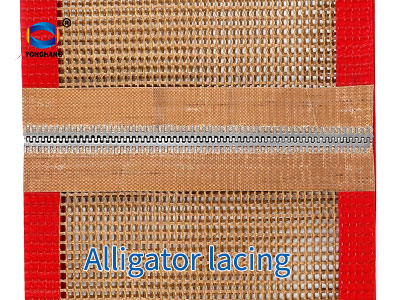
Alligator lacing Joints
Alligator Joints
Alligator lacing Joints are stainless steel metallic fasteners with a tie bar across the back preventing any individual pieces coming away and potentially falling into products. These allow belts to be easily fitted and removed from conveyors.
Alligator lacing Joints
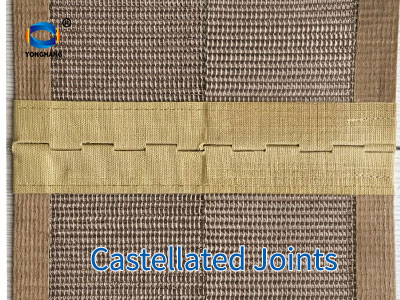
Castellated Joints
Castellated Belt Joints tend to be manufactured prior to fitting on the machine and are manufactured using a strap on the underside to offer additional strength. This method is a simple but very effective way of making a belt endless.
Castellated Joints
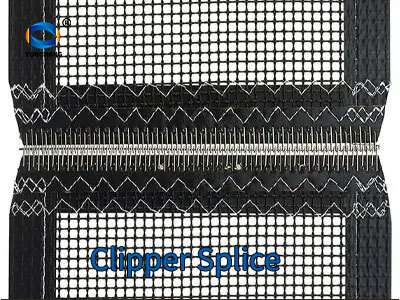
Clipper Joints
Clipper Joints are very similar to Alligator types but tend to be smaller and more lightweight. These allow the belt to be fitted and removed with ease.
It is as simple as wrapping the belts around your machine and putting a pin through the joint after it is lined up. This type of joint can be used on both PTFE open-weave mesh and closed-weave mesh.
Clipper Joints
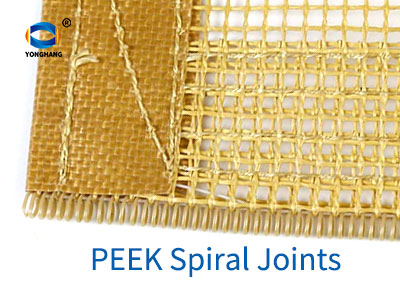
PEEK plasticspiral joints
PEEK (polyetheretherketone) is a premium speciality engineering plastic characterised by high temperature resistance, high strength, exceptional wear resistance and chemical resistance. In applications involving Kevlar mesh belts, PEEK spiral joints are typically used; they offer wear resistance and anti-drift properties at temperatures up to 250°C, a long service life, and are safe and hygienic. They are also flame-retardant (UL94 V-0) and meet food-grade and medical-grade standards.
PEEK-spiral-joints
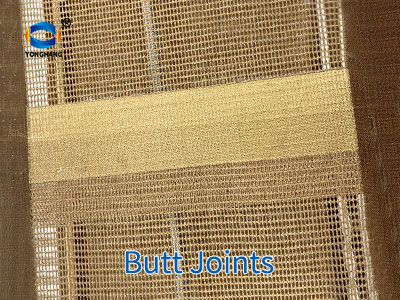
Butt joints
Butt Belt Joints placing the two ends of a belt together and applying a 50mm wide piece of material underneath. This is then welded together ensuring the top surface is nice and flat.This method is a simple but very effective way of making a belt endless.
The strength of the joint is only 50–60% that of the original belt; it is not suitable for high tensile loads and cannot be fitted to small-diameter drums (which typically require a diameter of ≥100 mm).
The front (contact surface) is completely flat with no steps, and the seam is virtually invisible to the naked eye.
There is a reinforcement strip on the reverse side, which slightly increases the thickness; the overall flatness is far superior to that of an overlap joint.
Butt Joints
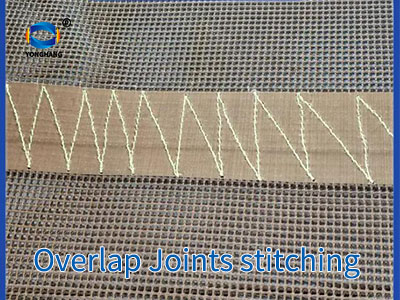
Overlap Joints stitching
Overlap Joints stitching are a simple and easy joint to use where having an even surface is not critical. This is the most common, simplest and cheapest one-piece heat-sealed joint for Teflon (PTFE/Kevlar) conveyor belts; it is a non-detachable, permanent joint.
Overlap the two ends of the mesh belt directly, with an overlap length of generally 3–10 cm (typically 5–6 cm)
Place an F46/FEP hot-melt adhesive film between them, then apply pressure and heat using a high-temperature iron (380–400°C) or a heat press to bond them together; once cooled, they will form a single unit. Result: The joint becomes double-layered in thickness, with a distinct overlap seam visible on the surface. To enhance tensile strength, stitching is applied at the joint.
V-Guides are used for belt guidance. V guides make better belt tracking which can reduce the edge wear and make belt can use longer time. Better tracking can also reduce conveyor jams, keeping running with less downtime, this is especially important in the packing industry. Yonghang provide various choice of V-guides for PTFE conveyor belts: Silicone V-Guide PTFE Tracking Cord Kevlar Tracking Cord Button Guides/rivet guides Tracking Eyelets or Studs
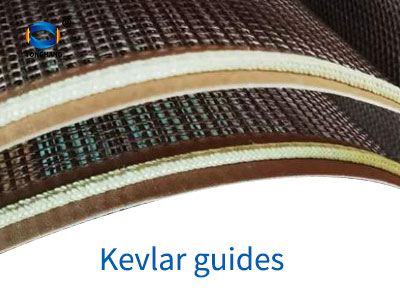
Kevlar Tracking Cord
Kevlar tracking cord offers high strength and resistance to wearThese cords are embedded in the belt’s surface to guide and stabilize tracking, reducing the risk of belt deviation
Excellent temperature resistance (–140°C to +360°C); withstands instantaneous temperatures of up to 500°C
Flame-retardant; produces no smoke or toxic gases when burning
Dense braided structure with extremely low elongation (<5%)
Resistant to most organic solvents and corrosion from acids and alkalis
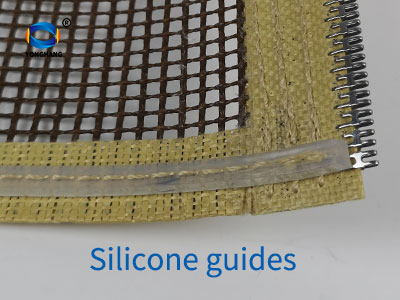
Silicone Guide
Silicone Guide provides flexibility and slip resistance
Continuous long-term use: -60°C to +200°C
Suitable for direct food contact; FDA-compliant
Resistant to ageing and ozone (recommended for use in UV oven environments)
Can be heat-sealed or bonded to the underside of the mesh belt; no drilling or riveting required; does not damage the mesh belt structure
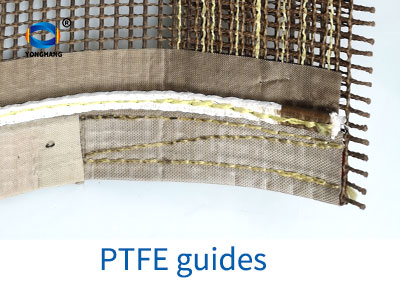
PTFE Tracking Cord
PTFE Tracking Cord solid cord or beading used for applications demanding direct chemical and heat resistance.
Heat resistant up to 300°C
Acid resistant
Plastically formable
Smoothly sintered surface
High fibrillation in logitudinal direction
Chemically inert
Biocompatible
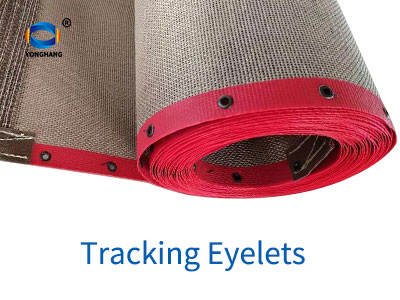
Button Tracking-Eyelets
Button guides are small, evenly spaced protrusions on the belt surface
They interact with guiding grooves in the conveyor system to ensure accurate belt positioning
Ideal for applications requiring precise alignment
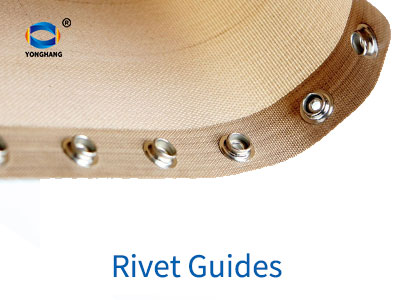
Rivet guides
Rivet guides are small, evenly spaced protrusions on the belt surface
They interact with guiding grooves in the conveyor system to ensure accurate belt positioning
Ideal for applications requiring precise alignment
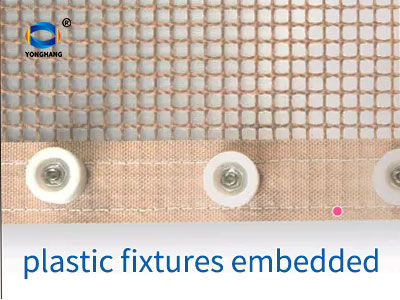
plastic fixtures embedded
plastic fixtures embedded in the belt
They help maintain consistent belt tracking, especially in high-speed conveyor systems
Used in applications where minimal lateral movement is critical
various edge treatments
we understand the importance of protecting both edges of the PTFE belt from tearing, especially when they come in contact with metallic components during operation.
The edge reinforcement plays a critical role in reducing fraying and damage to the belt, extending its lifespan and minimizing maintenance costs. Additionally, it provides essential support for any tracking mechanisms that are placed on the belt, ensuring precise alignment and smooth operation of the conveyor system.
Our edge reinforcement options encompass meticulously crafted sewn and Teflon/PEP film, Kevlar cloth, Teflon cloth Heat Sealed and so on , engineered to endure the demanding conditions of industrial environments.
FEP white film
Heat Sealed
FEP black film
Heat Sealed
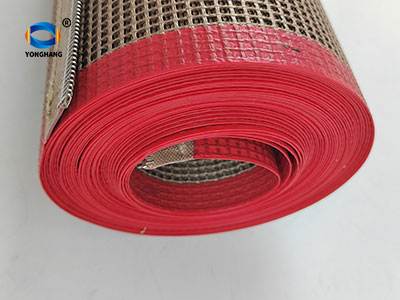
FEP red film
Heat Sealed
Kevlar Fabric
Fabric Edge, Sewn & Sealed
Teflon cloth
Heat Sealed
FEP blue film
Heat Sealed
Punching holes/Perforated
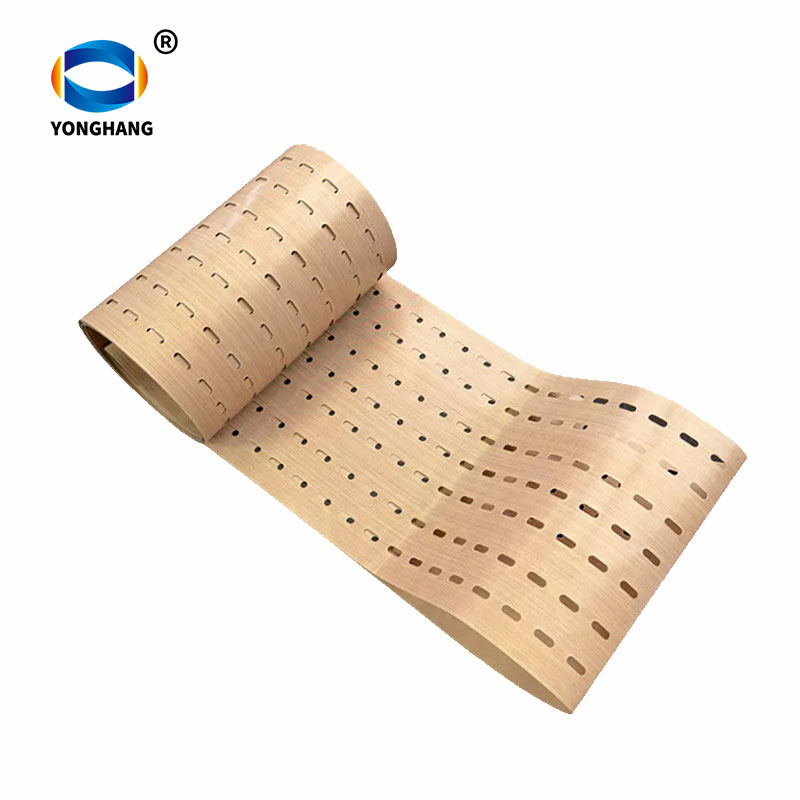
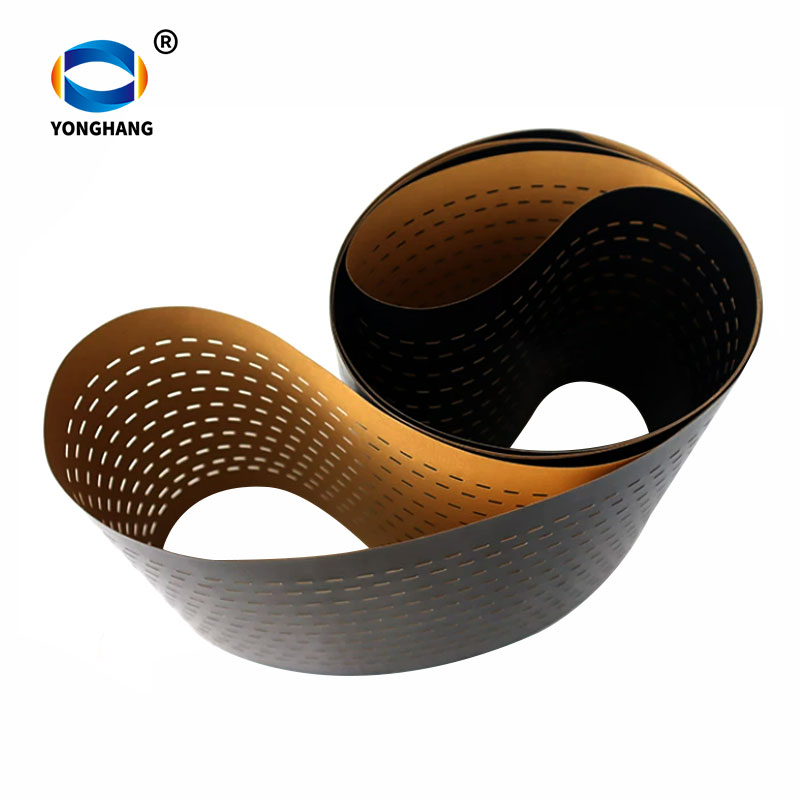
Perforated PTFE conveyor belts are specifically designed for applications requiring breathability, vacuum suction, and precise material control. In the Photovoltaic string welding machine industry, Perforated conveyor belts prevent Photovoltaic panel displacement from drifting. Their surface features pores of varying shapes and densities to regulate airflow, making them ideal for vacuum conveying systems, cooling, drying, dewatering, and packaging production lines.
PTFE conveyor belts materials style
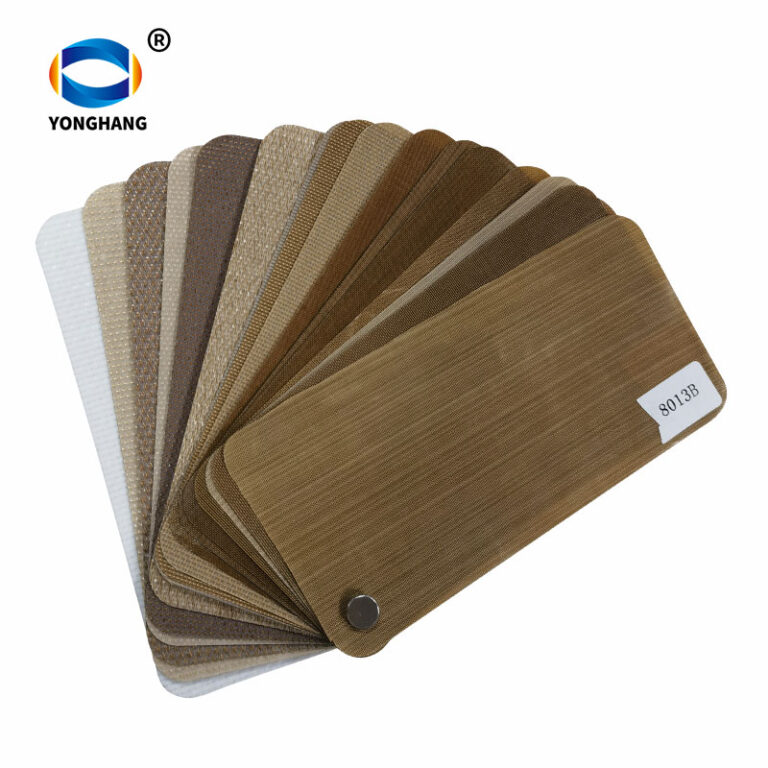
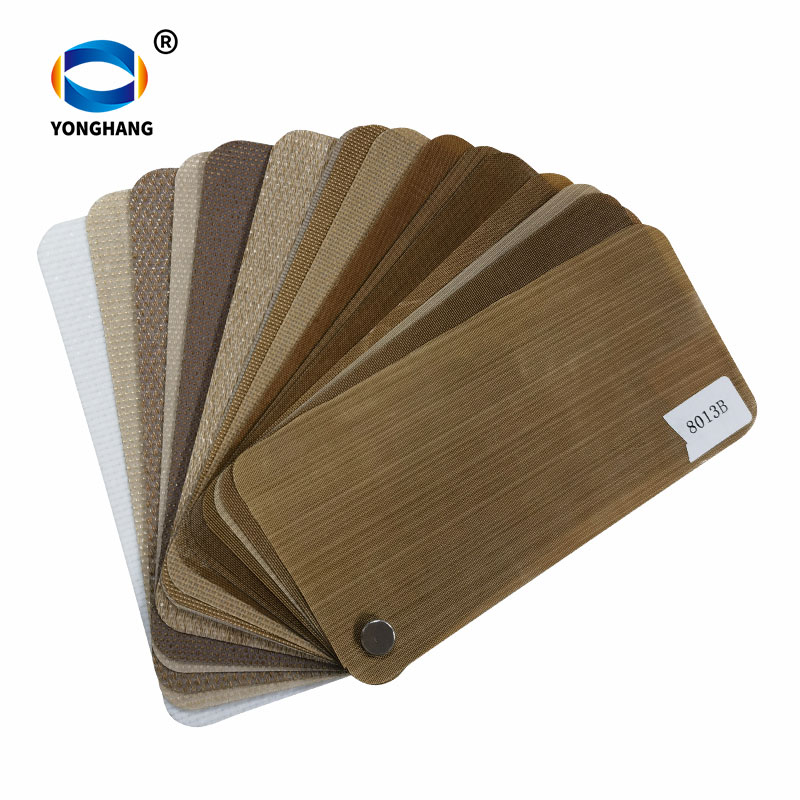
Rough-Top Diamond-shaped grid pattern Brick and stone pattern Vertical stripes Diamond-shaped pattern Various colors Different thicknesses Anti-static properties, etc.
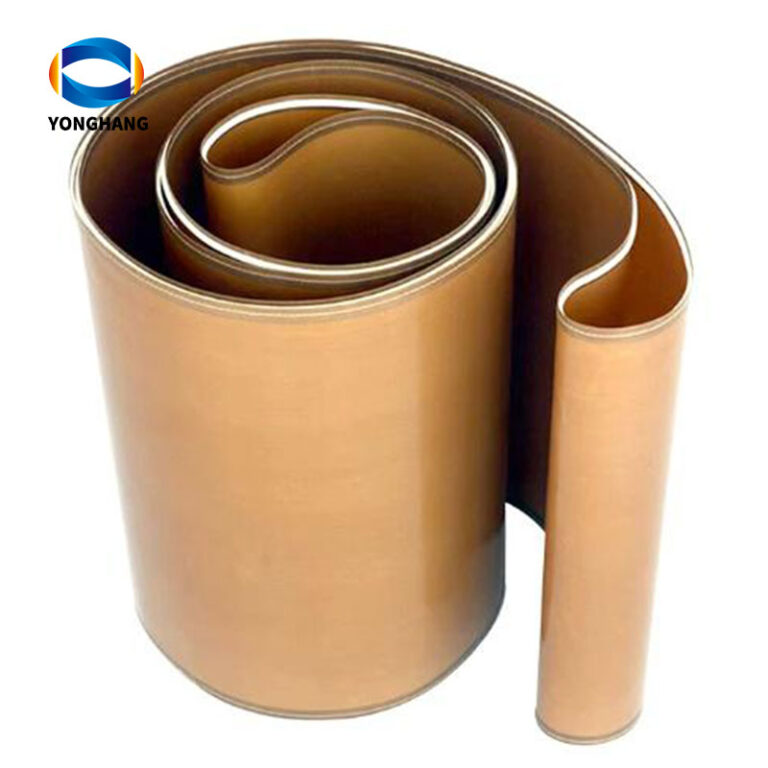
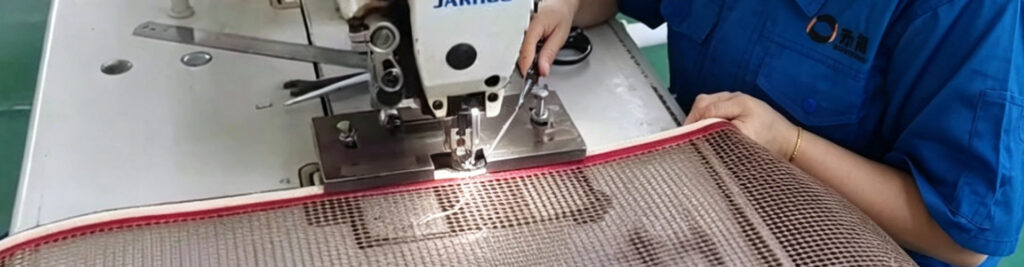
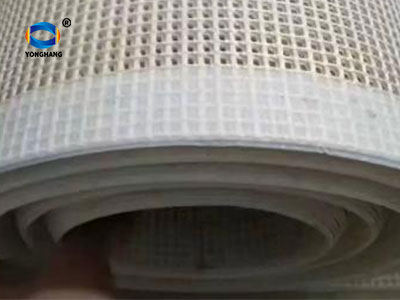
Fusing Machines belts
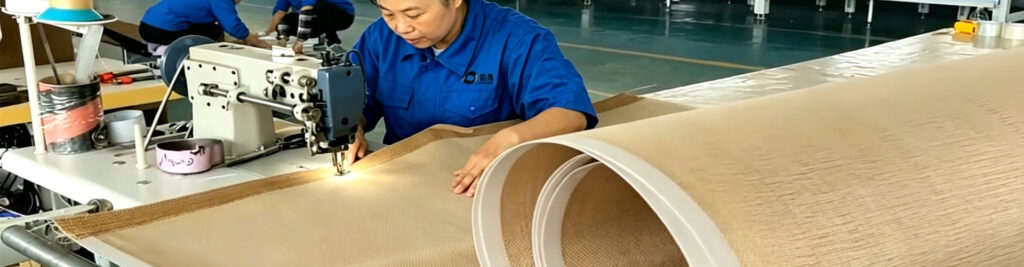
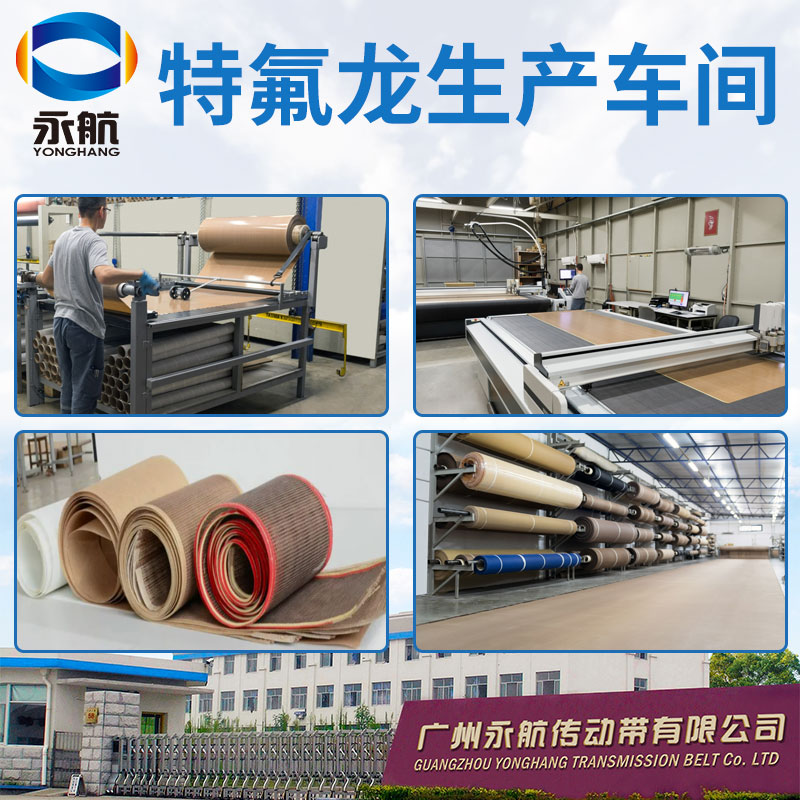
The new and existing PTFE factory sites of Guangzhou Yonghang Transmission Belt Co., Ltd. cover an area of over 80 mu, with a registered capital of 40 million yuan.
It has introduced internationally advanced adhesive coating production lines,vertical and horizontal coating and drying equipment, and extra-wide weaving machines. By utilising raw materials that meet international and domestic standards, and supported by experienced engineers and highly qualified management personnel, the entire process—from R&D and raw material procurement to production—is subject to strict monitoring, thereby ensuring product quality and earning the company a high reputation!
Our products not only meet the needs of Chinese customers; statistics show that in 2025, our PTFE products were exported to over 80 countries and regions worldwide, with our product quality and corporate reputation earning widespread acclaim from clients both at home and abroad!
“Integrity, professionalism, humility and progress” form the core of our corporate philosophy; we look forward to working hand in hand with our clients for mutual development.
We warmly welcome visitors from all sectors to visit us factory and offer guidance!
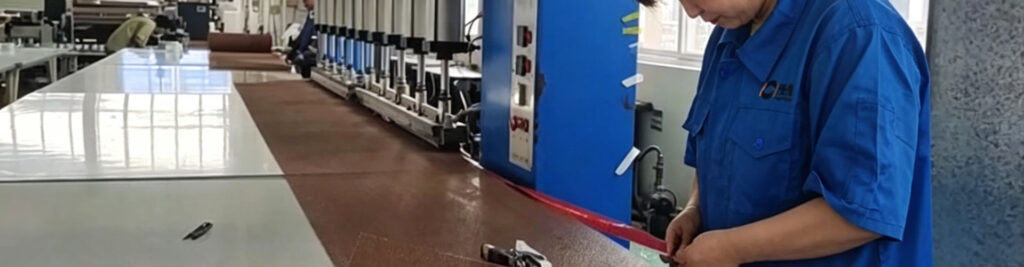
Yonghang PTFE Conveyor Belt Factory Video
What is the difference between PTFE, Teflon and Kevlar or aramid?
1. PTFE = Teflon
PTFE: Generic chemical name (Polytetrafluoroethylene), fluoropolymer.
Teflon: Trademark for PTFE and related fluoroplastics.
Core traits: Low friction, non-stick, excellent chemical & high-temperature resistance.
Common uses: Seals, gaskets, non-stick coatings, industrial linings, conveyor components.
2. Kevlar = Aramid
Aramid: Generic name for aromatic polyamide fiber.
Common uses: Protective gear, reinforcement materials, brake parts, high-strength fabrics.
They are not the same and are rarely substitutes for each other. However, they are often combined (e.g., PTFE coated aramid fabric) to create materials that are both tough and non-stick.
Recommendations for Selection
PTFE Coated Kevlar Fabric / Belts:Application scenarios: Heavy industrial drying belts, wood pressing and laminating, food freezing, carbon fiber gasket demolding cloth(When PTFE is coated or impregnated onto the Kevlar substrate, the resulting composite material can overcome the respective drawbacks (the deformability of PTFE and the high frictional property / water absorption characteristic of Kevlar))
Introduction: Why Conveyor Belt Material Matters to Your Business Every conveyor system starts with one critical decision: choosing the right belt material. The wrong…
Conveyor belts are made of fiberglass foil (PTFE), which is joined into an endless conveyor belt in different ways and with different types of joints.…
PTFE seamless fusing belts made of high strength fibreglass or Keviar,knitted by special equipment and coated with PTFE resin in high temperature.Seamless belts conquer…
Teflon high-temperature tape, PTFE fibreglass tape, also known as Teflon tape, Teflon adhesive tape, PTFE adhesive tape, etc., The production process for PTFE glass…
Black anti-static PTFE mesh belt adopts high strength glass fiber or kevlar mesh cloth as substrate, impregnated with carbon-filled conductive modified PTFE resin and…
Our anti-static black PTFE tape is manufactured from high-density polytetrafluoroethylene (PTFE) resin with a specialized conductive carbon filler. It combines the non-stick, chemical-resistant, and…
90% of mesh belt applications → bullnose joint It’s the default industry standard for PTFE mesh belts: balanced strength, easy maintenance, food-safe, and compatible with most drying/curing lines. If you need ultra-high hygiene/strength and can install offline → Hot Melt Splice. Avoid steel clips for food or scratch-sensitive products
Single-sided PTFE coating: Only the working surface (the surface in contact with the material) is coated with PTFE, whilst the reverse side is treated fibreglass cloth. Suitable for applications where only the working surface requires non-stick and corrosion-resistant properties, whilst the reverse side requires a higher coefficient of friction to increase driving friction. Lower cost.
Double-sided PTFE coating: Both sides feature a PTFE coating. Suitable for applications requiring non-stick properties on both sides (e.g. sandwich-type heating) or where the reverse side also requires corrosion resistance (e.g. contact with corrosive vapours). Also commonly used for belts that require frequent flipping during operation.
Both of these properties are attributed to the ‘strong carbon-fluorine bonds (C-F bonds) and the stable, fully fluorinated structure’ of PTFE.
Chemical principles:
High-temperature resistance: The C-F bond has extremely high bond energy, requiring a great deal of energy to break. PTFE has a melting point of approximately 327°C and can withstand continuous use at temperatures up to 260°C. Its glass transition temperature is very low, meaning it retains its flexibility even at low temperatures.
Corrosion resistance: The tight wrapping of fluorine atoms around the carbon chain results in extremely high ionisation energy and very low polarity, making it difficult for most chemicals (including concentrated acids, concentrated alkalis, strong oxidising agents and organic solvents) to react with or swell it.
Operating limits: Temperature: Long-term -70 °C to 260 °C; short-term exposure not exceeding 300 °C. Do not expose to temperatures above 350 °C or open flames. Avoid contact with molten alkali metals and high-temperature strong fluorinating agents. Tensile strength must be strictly in accordance with the Yonghang product manual.
The molecular structure of PTFE (polytetrafluoroethylene) is – (CF₂-CF₂)ₙ -, and its defining structural characteristics are as follows:
Fluorine atoms completely envelop the carbon chain: every hydrogen atom on the carbon backbone is replaced by a fluorine atom, forming a dense, non-polar ‘fluorine shell’ with low electronic polarizability.
Extremely strong carbon-fluorine bonds (C-F bonds): with a bond energy of approximately 485 kJ/mol, these bonds render the molecule highly stable and chemically inert.
Extremely low intermolecular forces: the electron clouds of the fluorine atoms are tightly confined, resulting in very weak van der Waals forces between PTFE molecules and between PTFE and other substances. This manifests macroscopically as an extremely low surface energy (approximately 18 mJ/m²).
In the photovoltaic lamination process, EVA (ethylene-vinyl acetate copolymer) adhesive film is melted and cured at approximately 140–160°C to bond the solar cells, glass and backsheet into a module. The lamination belt (typically PTFE-coated glass fibre cloth) comes into direct contact with the molten EVA.
Without a PTFE coating, automated, large-scale photovoltaic lamination would be impossible. Ordinary materials would become permanently bonded to the EVA after the first lamination cycle, leading to production stoppages. It is precisely by utilising the non-stick properties derived from the molecular structure of PTFE that the lamination belt is able to:
Operate continuously for hundreds or even thousands of cycles; Be reused after simple cleaning with a scraper; Ensure the consistency and yield of photovoltaic modules.
Resistant to high and low temperatures -70℃-260℃. Weather resistant, anti-aging, long life cycle.
– Anti-adhesion, easy to clean. – Resistant to all kinds of strong acid and alkali corrosion, chemical resistance, non-toxic. – Dimensional stability, ductility coefficient less than 5 ‰, high strength, with good mechanical properties. – Resistant to bending fatigue, can be used for smaller wheel diameter. – Fire retardant, with permeability, reduce heat loss, improve drying efficiency.
The MOQ for a seamless PTFE conveyor belt is a sleeve. The spliced belt has no minimum order quantity.
Seamless ring PTFE belts deliver flawless flat surfaces, stable operation and long service life ideal for high-volume PV lamination yet cost far more with limited sizing and no on-site repair, while lap joint belts are cheap, fully customizable and field-repairable but suffer raised seams that cause solar panel defects, unstable tracking and much shorter lifespans.
Sample needs 3-5 days, mass production time needs 1-2 weeks for order quantity.Western Union, Paypal, Ali Secure Pay or T/T (company account and personal account)Russia accepts payments from VTB Bank
If it’s the roll material, we offer a 30-day no-reason return and exchange service. However, for the finished belts, we do not support returns or exchanges because the finished belts are custom-made according to your specified size.
We typically ship via DHL, UPS, FedEx, or TNT. Delivery usually takes 3-5 days. Air and sea shipping are also available.

-Fiberglass-Conveyor-Belt-for-Fusing-Machines-768x432.jpg)