black anti-static PTFE conveyor mesh belt
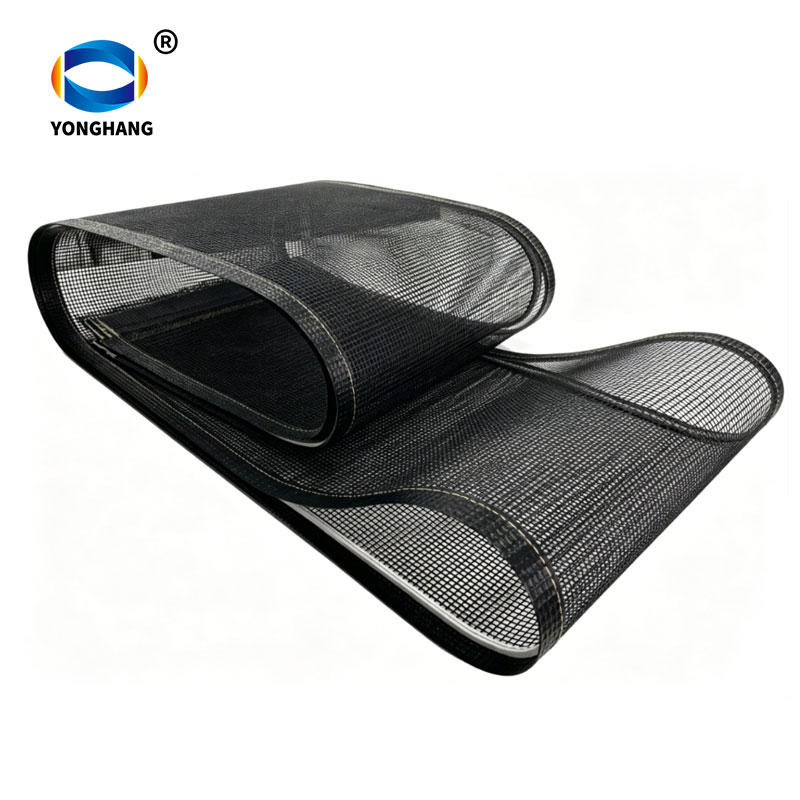
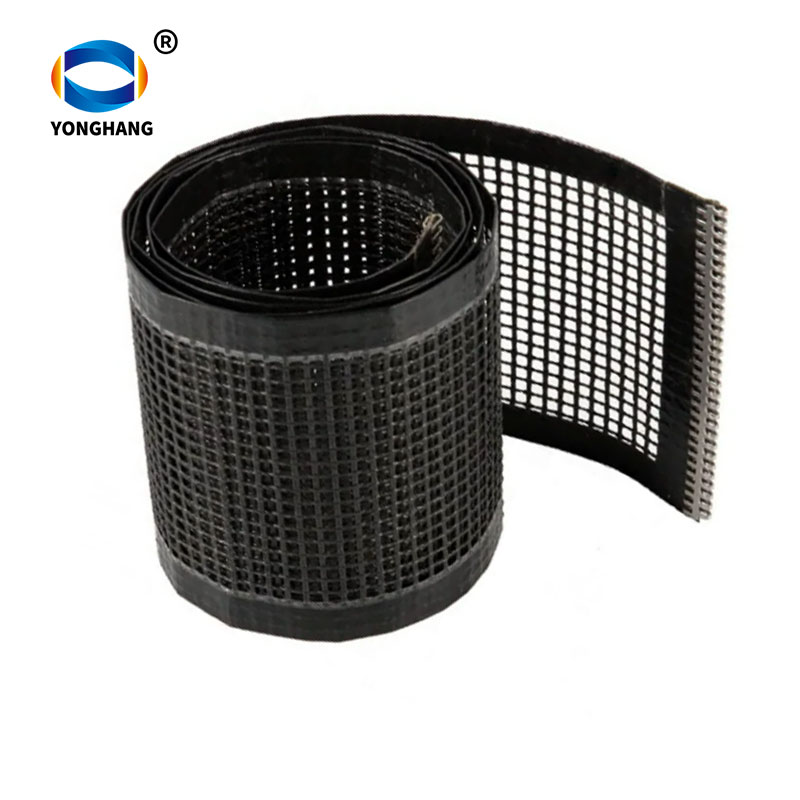
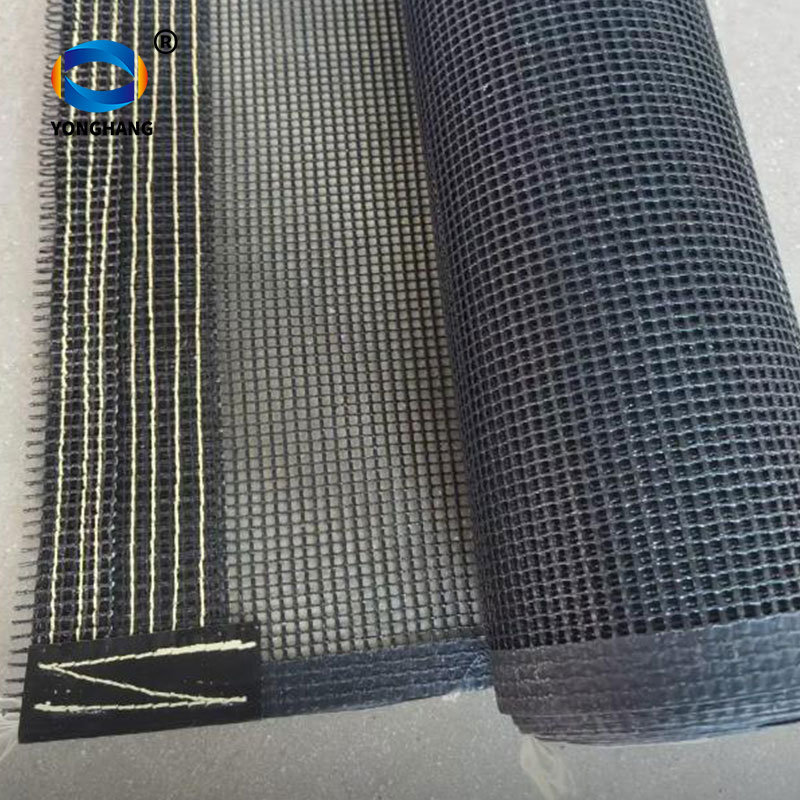
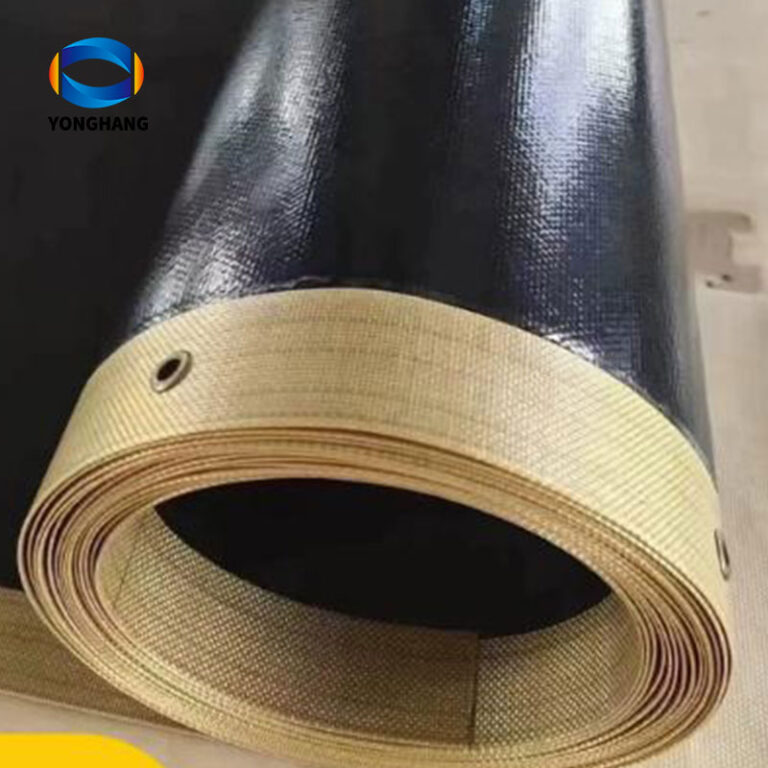
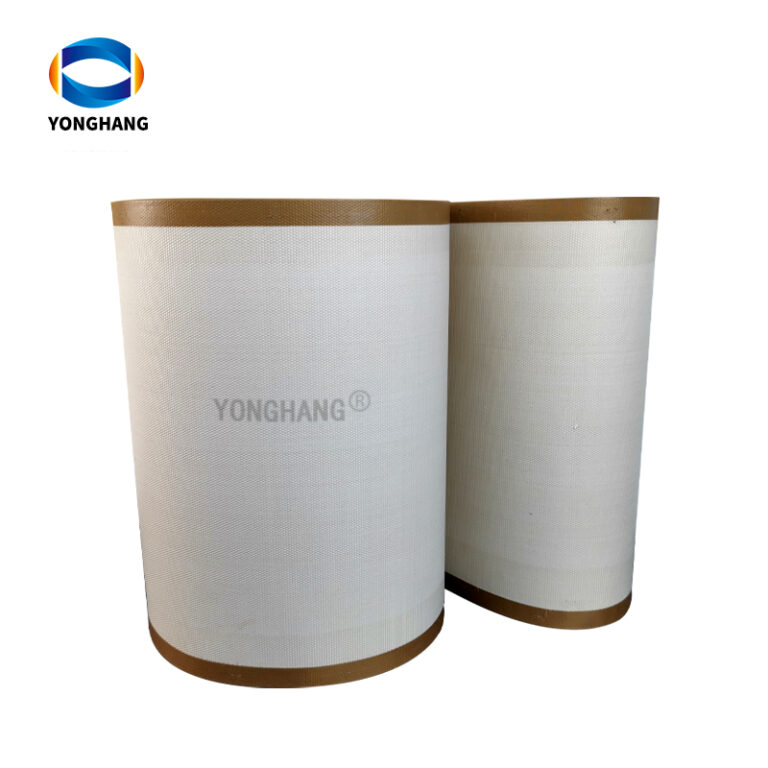
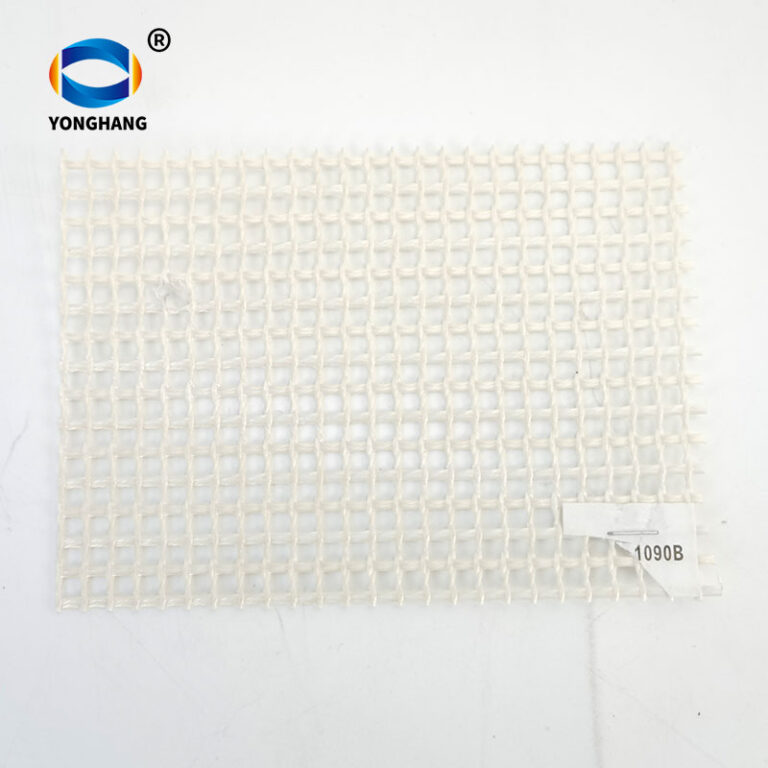
Black anti-static PTFE mesh belt adopts high strength glass fiber or kevlar mesh cloth as substrate, impregnated with carbon-filled conductive modified PTFE resin and sintered at high temperature into open mesh conveyor belt. Uniform mesh structure facilitates hot air circulation, exhaust and water draining; carbon black conductive ingredient is evenly blended into PTFE coating to…
Black anti-static PTFE mesh belt adopts high strength glass fiber or kevlar mesh cloth as substrate, impregnated with carbon-filled conductive modified PTFE resin and sintered at high temperature into open mesh conveyor belt. Uniform mesh structure facilitates hot air circulation, exhaust and water draining; carbon black conductive ingredient is evenly blended into PTFE coating to realize stable permanent anti-static performance. Widely customized for high static-sensitive production lines requiring high-temperature drying, ventilation and static elimination.
specifications
| Model | Mesh Size | Thickness | Colour | Material | Weight | Temp Resistance | Max Width | Tensile Strength | Anti-static index |
| 1091C | 1×1mm | 0.5mm | black | fiberglass | 480±5g/m² | -70~260℃ | 4200mm | 1600/1500N/5cm | 10⁶ Ω |
| 1092C | 2×2.5mm | 0.9mm | black | fiberglass | 640±5g/m² | -70~260℃ | 4200mm | 2200/1500N/5cm | 10⁷ Ω |
| 1090C | 4×4mm | 1.0mm | black | fiberglass | 480±5g/m² | -70~260℃ | 4200mm | 2100/1500N/5cm | 10⁶ Ω |
| 6012 | 4×4mm | 1.0mm | black | kevlar(Double Weft) | 570±5g/m² | -70~260℃ | 4200mm | 3500/3300N/5cm | <10⁶ Ω |
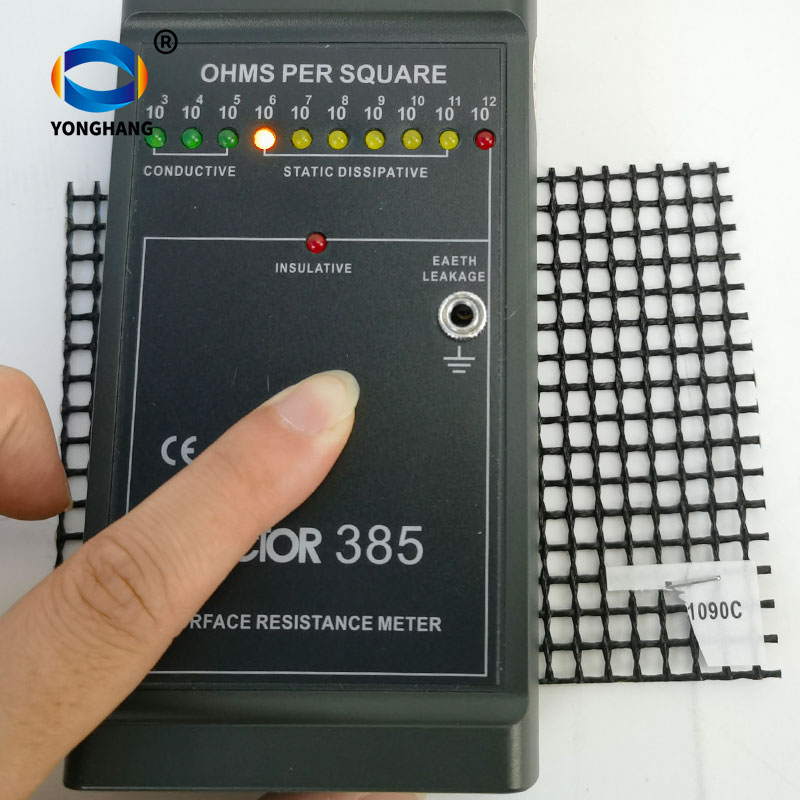
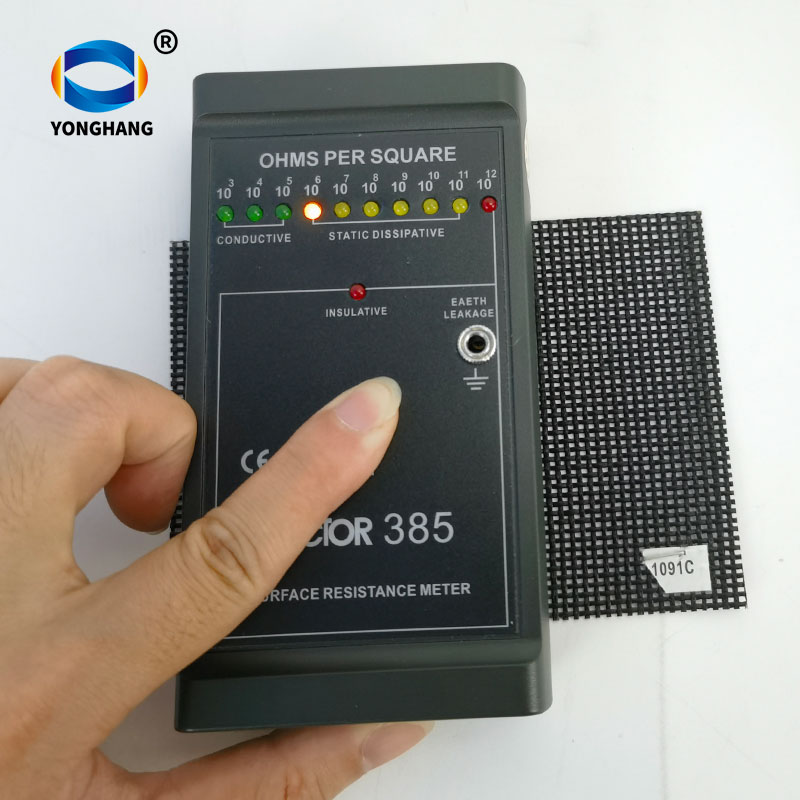
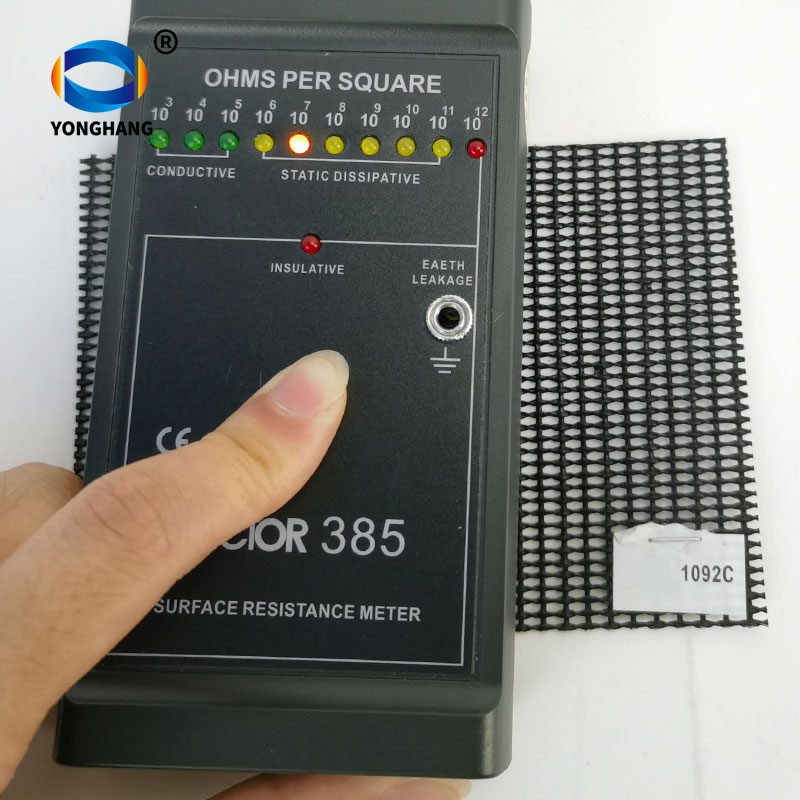
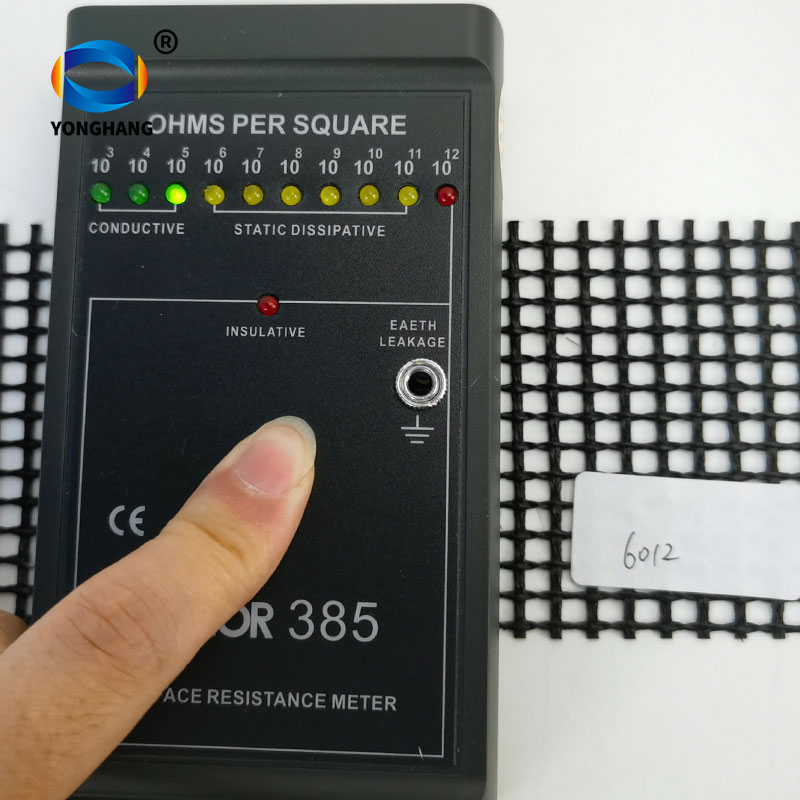
Why is the black PRFE mesh belt anti-static?
Ordinary pure PTFE is high insulation material, easy to gather static electricity from friction during high-speed conveying. This black mesh belt adds conductive carbon black powder uniformly into PTFE coating formula:
- Conductive carbon forms continuous conductive network inside PTFE coating;
- Static charge generated by belt friction quickly conducts out through carbon conductive channel to ground;
- Achieve constant static discharge, avoid static spark, dust adsorption or electronic component breakdown. Anti-static performance is permanent, will not fade with long-term wear or high temperature aging.
Splicing Options
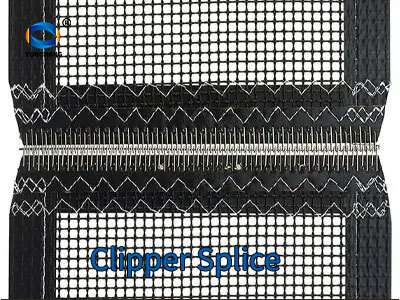
Clipper Joints/Alligator Joints-Quick-release fasteners for easy on-site assembly, disassembly and maintenance.
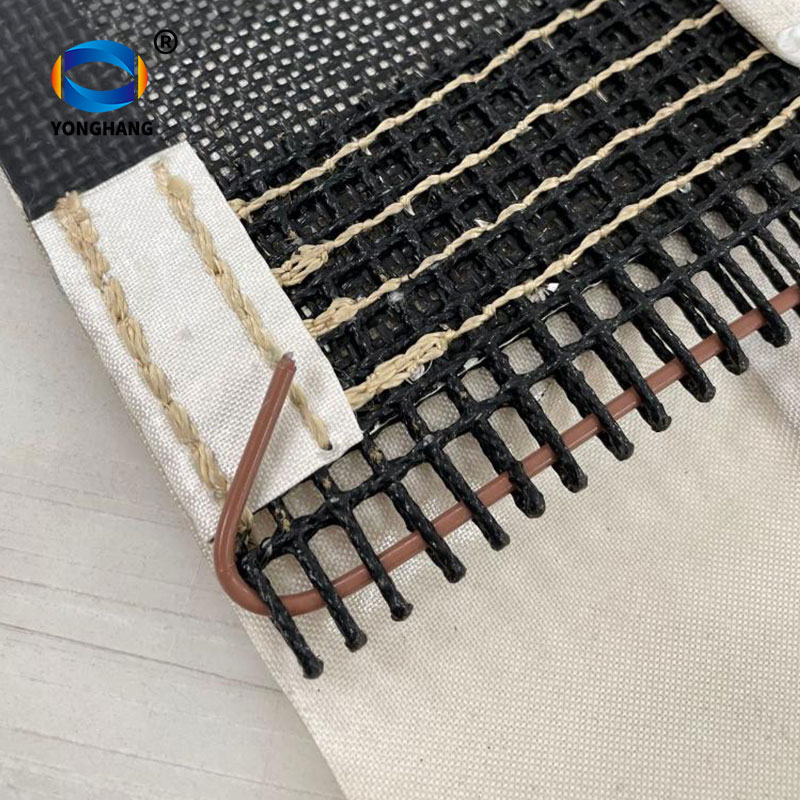
Cover Belt Joints – Covers can be applied after joints have been fitted to act as a barrier between the metallic surface of the joint and the product being conveyed.
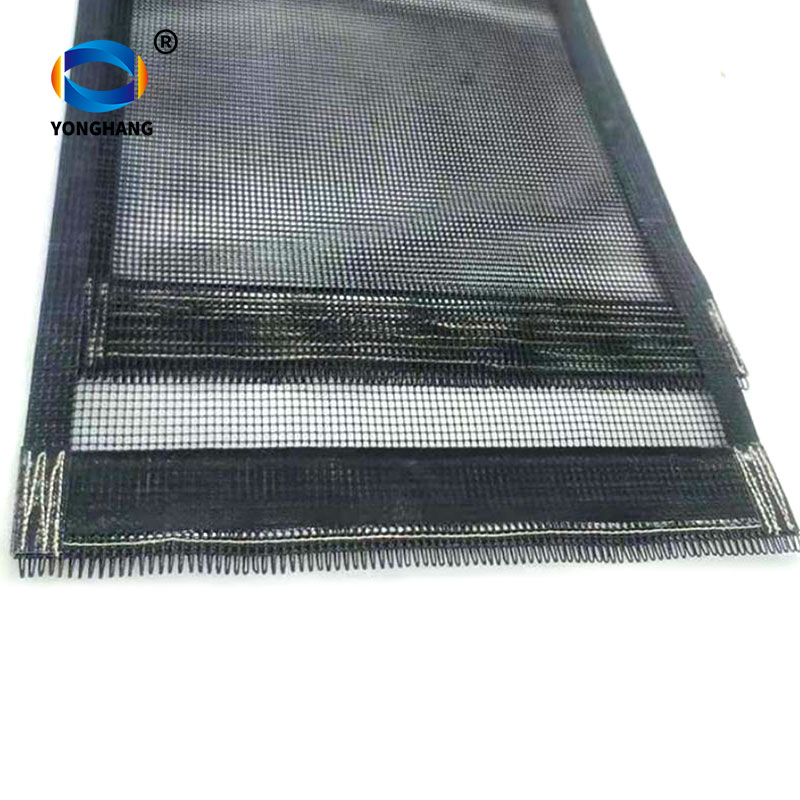
Bullnose belt joints- feature larger bonding area and smooth curved transition, delivering higher tensile strength, smoother running over small rollers and fewer joint cracks.
Edge Reinforcement and Belt Guiding
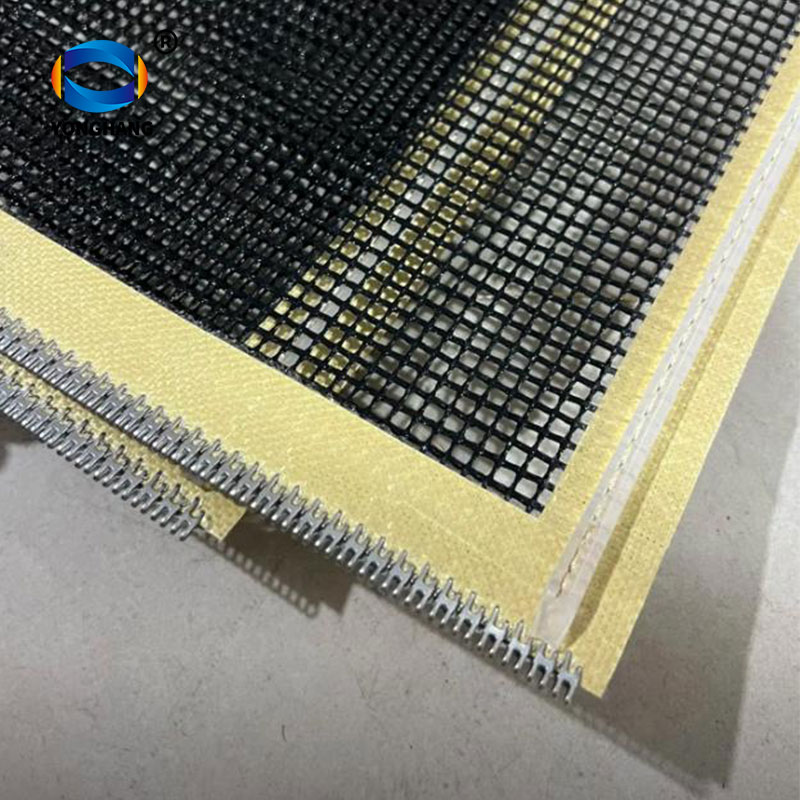
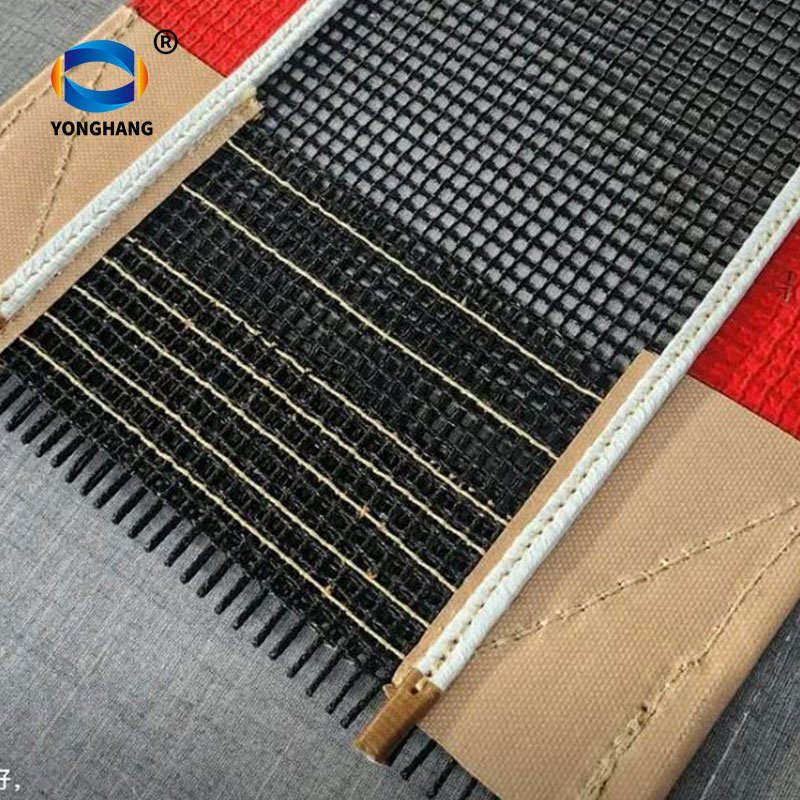
The edges of the conveyor belts can be edged or reinforced with various materials to prevent damage to the belt, cracking of the edges.
PTFE Belt Edges Reinforced with Teflon, Fiberglass and Kevlar teflon Foil
Belt Guiding
In some cases, it is necessary to ensure the longitudinal guide of the belts. There are several ways to provide that. Each of them has its advantages and limitations.
Tracking Eyelets or Studs
Eyelets or studs are metal or plastic fixtures embedded in the belt
They help maintain consistent belt tracking, especially in high-speed conveyor systems
Used in applications where minimal lateral movement is critical
Button Guide
Button guides are small, evenly spaced protrusions on the belt surface
They interact with guiding grooves in the conveyor system to ensure accurate belt positioning
Ideal for applications requiring precise alignment
Silicone Guide
Silicone tracking cord provides flexibility and slip resistance
Kevlar Tracking Cord
Kevlar tracking cord offers high strength and resistance to wear
These cords are embedded in the belt’s surface to guide and stabilize tracking, reducing the risk of belt deviation
PTFE Tracking Cord
PTFE tracking cord offers extremely Low Friction Reduces wear, energy consumption, and stick-slip motion.
Wide Temperature Range Stable performance from -200°C to 260°C.
Chemical Inertness Resists virtually all acids, bases, and solvents.
Non-Stick Surface Prevents galling and seizure of metal components.
Flexibility at Low Temp Remains functional and non-brittle in cryogenic environments.