In the world of industrial automation, “handling with care” isn’t just a suggestion—it’s a requirement. Whether you are transporting delicate electronics, high-end automotive glass, or freshly labeled pharmaceutical bottles, the surface of your conveyor belt can be the difference between a perfect product and a pile of scrap.
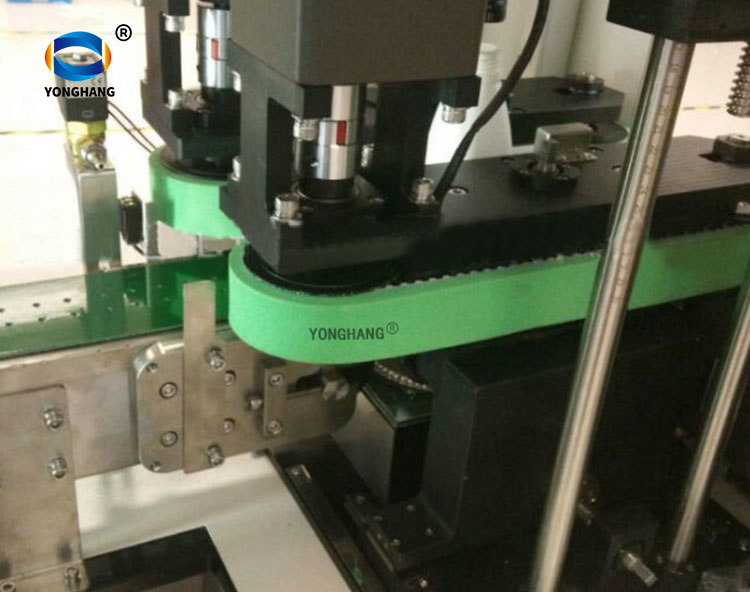
This is where Foam conveyor Belts (often referred to as Sponge Belts) come into play. By integrating a high-friction, shock-absorbing layer onto a standard timing or flat belt, manufacturers are solving some of their most frustrating throughput challenges.
Here’s a deep dive into why these specialized belts are becoming a staple in modern production lines.
1. The Engineering Behind the “Soft Touch”
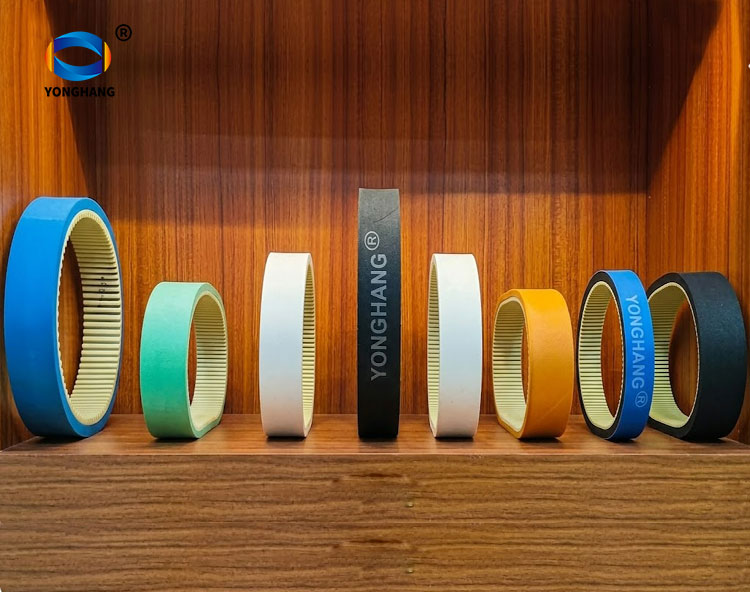
At its core, a foam conveyor belt is a hybrid. It typically starts with a high-strength base—such as a PU timing belt or a PVC conveyor belt with Soft foam backing.
Common materials used for the foam coating include:
- EPDM Sponge: Excellent for high-heat environments and UV resistance.
- PU Foam: Offers great wear resistance and flexibility.
- Natural Rubber Sponge: Provides the highest coefficient of friction for vertical or high-speed lifting.
The density and thickness of the foam can be customized, allowing engineers to tune the “compression” of the belt to match the fragility of the product.
2. High Friction Meets Zero Damage
The primary advantage of foam conveyor belts is their non-destructive grip. In industries like glass processing or solar panel assembly, traditional hard-surface belts can cause micro-scratches or slips. The porous, soft structure of foam “hugs” the product, distributing pressure evenly across the surface. This high-friction grip allows for steeper inclines and faster acceleration without the risk of the product sliding or getting damaged during transit.
3. Solving the “Labeling & Packaging” Bottleneck
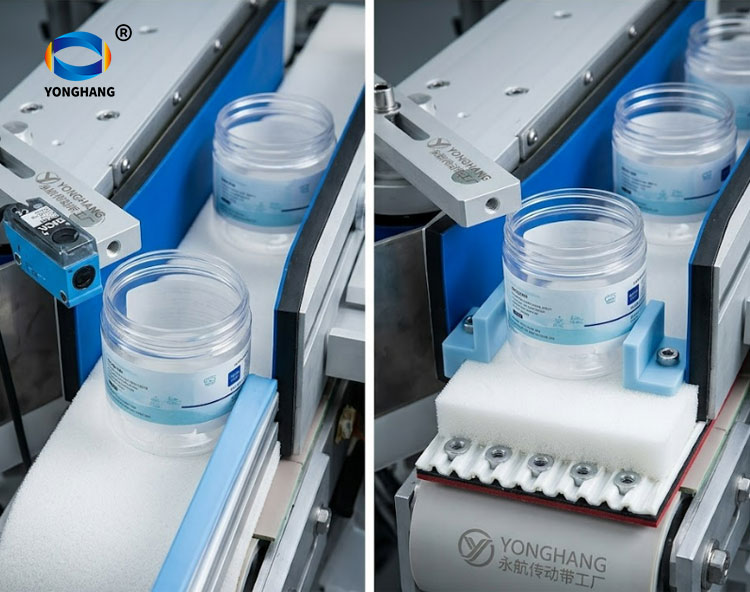
If you’ve ever looked at a labeling machine for beverages or cosmetics, you’ve seen foam belts in action. In labeling applications, the belt must press the label onto a bottle with enough force to ensure adhesion, but not so much that it crushes the container. The elasticity of the foam acts as a mechanical buffer, compensating for slight variations in bottle size and ensuring a perfect, bubble-free label application every time.
4. Noise Reduction and Vibration Damping
Modern factories are loud, and vibration is the enemy of precision. Foam conveyor belts act as a natural silencer. By absorbing the impact of products landing on the conveyor and damping the vibration of the drive system, these belts contribute to a quieter workspace and protect sensitive internal components of the machinery from mechanical fatigue.
5. Industry-Specific Applications
From the warehouse to the cleanroom, foam belts are versatile:
- Woodworking: Preventing surface marks on polished or painted panels.
- Paper & Printing: Handling delicate paper stacks without smudging ink.
- Automotive: Transporting finished plastic trim pieces without scuffing the “Class A” finish.
The Bottom Line
Choosing the right conveyor belt isn’t just about moving Part A to Point B; it’s about protecting your ROI. For businesses dealing with fragile materials or precision labeling, Foam conveyor belts offer a high-performance, durable, and gentle solution.
As a leading specialist in the field, YONGHANG (Yonghang Transmission Belt Factory) has spent years perfecting the bonding process between high-strength base belts and customized foam backings. If your production line is seeing high rejection rates due to surface damage, it’s time to look at the surface of your belt.