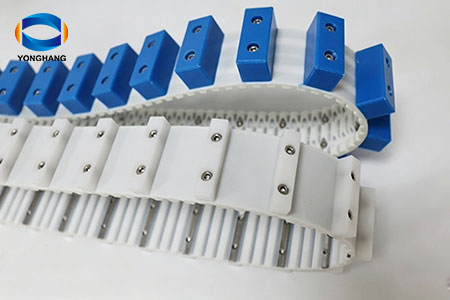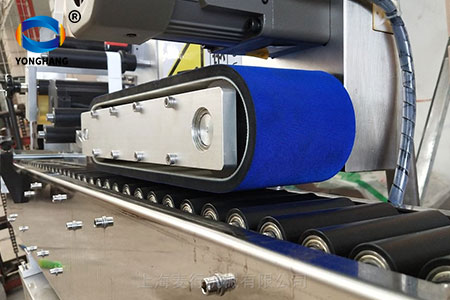
Cast false teeth are formed by “melting and casting”, while CNC false teeth are formed by “direct CNC milling of solid metal blocks”. When used on timing belts, However, there are differences in their materials, properties, manufacturing costs, and molecular structures. Now, let’s delve into the details of these differences.Help you make the right choice
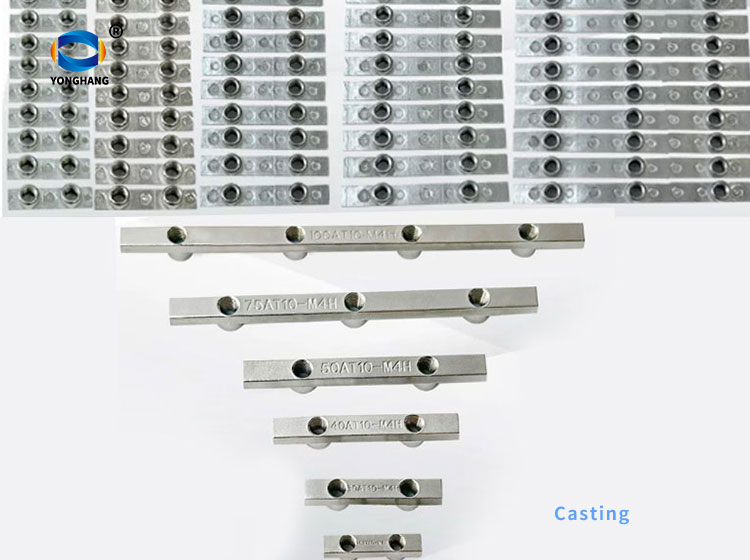
What are cast false teeth?
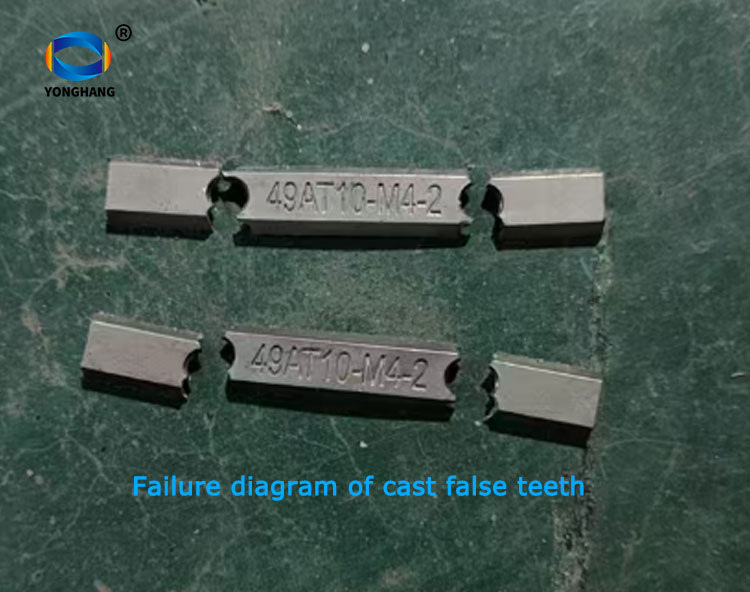
Cast false teeth are manufactured via molten metal casting (investment casting commonly), a traditional molding process with high thermal shrinkage, manual finishing, and inherent material defects. They feature low precision, rough surfaces, and poor durability, suitable only for low-speed, light-load, low-precision transmission scenarios.
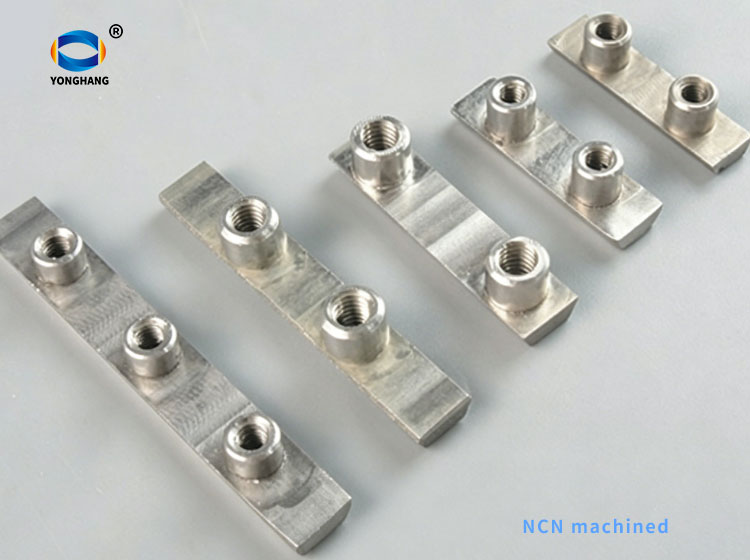
What are CNC machined false teeth?
CNC machined false teeth are produced by precision numerical control milling from solid metal blanks, with no melting, casting, or wax molding involved. This digital machining process delivers ultra-high precision, consistent dimensions, dense defect-free material, and smooth surfaces, ideal for high-precision, heavy-load, high-speed automatic transmission and positioning equipment.If you look closely, you can still see the texture left by the NCN blade
To get straight to the point: Cast false teeth are formed by “melting and casting”, while CNC false teeth are formed by “direct CNC milling of solid metal blocks”. When used on timing belts, the differences are very obvious.
I. Process Differences (Most Fundamental)
Cast False Teeth (Investment Casting/Precision Casting)
- Make a wax mold → Embed in refractory material → High-temperature dewaxing → Cast stainless steel/aluminum/zinc alloy → Trim after cooling.
- Characteristics: High-temperature melting, liquid forming, manual + mold-driven.
CNC False Teeth (CNC Machining)
Characteristics: No melting, no casting, full machining, precision guaranteed by equipment.
II. Precision and Consistency (Affecting Positioning Accuracy)
- Cast
- Dimensional tolerance: ±0.1~0.3mm
- Large deviations in tooth pitch, tooth thickness, and mounting hole positions; poor consistency in the same batch.
- When installed on timing belts: Inaccurate positioning, easy jamming, high noise, and displacement.
- CNC
- Dimensional tolerance: ±0.01~0.03mm (10–30μm)
- Tooth profile, hole positions, and pitch are completely consistent with good interchangeability.
- When installed on timing belts: Accurate positioning, smooth operation, low noise, and stable repeated positioning.
III. Material and Strength (Affecting Service Life/Tooth Loss)
- Cast
- Internal air holes, shrinkage porosity, and inclusions; low strength and high brittleness.
- Material:Martensitic precipitation-hardening stainless steel, 15–27 HRC
- Cast stainless steel: Prone to rust, poor wear resistance, and prone to tooth chipping/breakage under heavy load.
- CNC
- Processed from solid bar stock with continuous metal fibers, no air holes, and high density.
- Cast: Rough surface with sand holes and many burrs; deviated hole positions; screws are easy to skew and loosen.
- CNC: Smooth surface with clear edges and no burrs; accurate hole positions; screws are smooth, locked firmly, and not easy to loosen.Commonly used materials: 304/316 stainless steel, 7075 aluminum; high strength, wear resistance, and fatigue resistance; not easy to break teeth or deform.
- Processed from solid bar stock with continuous metal fibers, no air holes, and high density.
IV. Appearance and Installation Fit
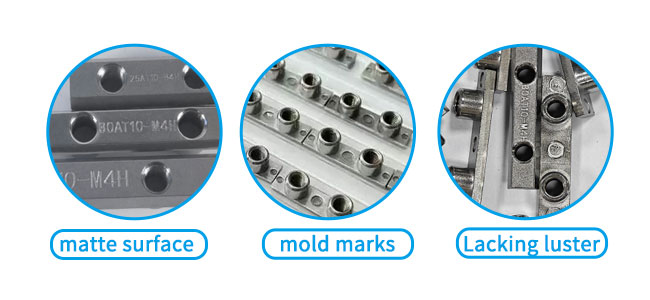
- Cast: Rough surface with sand holes and many burrs; deviated hole positions; screws are easy to skew and loosen.
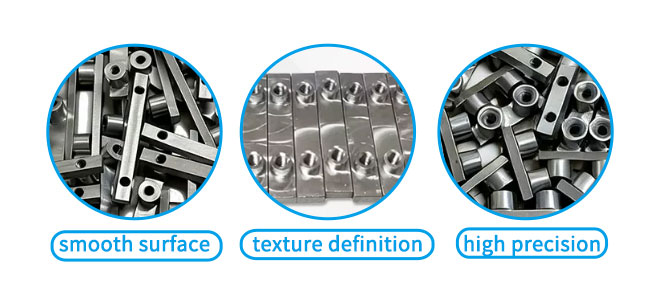
- CNC: Smooth surface with clear edges and no burrs; accurate hole positions; screws are smooth, locked firmly, and not easy to loosen.
V. Cost and Delivery Time
- Cast: Low unit price for small batches, but high mold cost; delivery time 7–15 days with many reworks.
- CNC: Slightly higher unit price for small batches, no mold cost; delivery time 1–3 days with basically no reworks.
At first glance, casting is cheaper per belt for very large runs ( > 5,000 pieces per year). However, when you factor in:
- Mould amortisation
- Scrap rate from porosity (5‑10 % for cast teeth)
- Premature field failures and downtime
…the total cost of ownership often favours CNC‑machined teeth, especially for mission‑critical drives. For custom or low‑volume orders ( < 1,000 belts/year), CNC machining is economically superior from the first batch.
Yonghang helps customers analyse their usage pattern. In many cases, switching to CNC‑machined teeth reduced annual belt‑related costs by 30‑50 % due to longer life and zero mould fees.
Over the past 20 years, Yonghang has accumulated over 6,000 custom replacement cases – from odd‑pitch belts for vintage European machine tools to special asymmetric teeth for medical imaging equipment. More than 80 % of those custom jobs were delivered using CNC‑machined teeth because of the unmatched flexibility.
VI.Recommendations for Selection
Choose CNC False Teeth:
- Automatic positioning and conveying, SMT, packaging machines, electronic assembly lines;
- Requirements for accurate positioning, high repeat precision, low noise, and long service life;
- False teeth need to be frequently disassembled, assembled, and interchanged.
Choose Cast False Teeth:
- Ordinary conveyor lines with low speed, light load, and low positioning requirements;
- Scenarios with tight budget, large batches, and infrequent replacement.
Full Comparison Table
| Comparison Item | Cast Timing Belt False Teeth | CNC Machined Timing Belt False Teeth |
| Manufacturing Process | Investment casting/lost wax casting: make wax mold → refractory embedding → dewaxing → high-temperature molten metal pouring → cooling → manual grinding and trimming | CNC precision milling: solid metal blank → digital programming → direct one-time milling of tooth profile, mounting holes and mating surfaces → minor fine polishing |
| Dimensional Precision & Consistency | Low precision, tolerance ±0.1-0.3mm; large batch-to-batch deviation, poor consistency, easy to cause tooth pitch deviation | Ultra-high precision, tolerance ±0.01-0.03mm; 100% consistent size and tooth profile, strong interchangeability, accurate tooth pitch positioning |
| Material & Structural Strength | Internal defects like air holes, shrinkage porosity and slag inclusions are unavoidable; low density, brittle, easy to crack or break under heavy load; poor wear resistance | Made from solid metal blanks (304/316 stainless steel, 7075 aluminum alloy preferred); continuous metal fiber, no internal defects, high density, high strength and strong fatigue resistance; not easy to break teeth |
| Surface Quality | Rough surface, obvious burrs and sand holes; needs heavy manual trimming, uneven finish | Smooth and flat surface, sharp and clear tooth contour, no burrs or rough spots; mirror or fine matte finish optional |
| Installation Fit | Mounting hole position deviation is large, screws are easy to skew and loose; poor fit with timing belt, easy to jam and generate noise | Accurate hole position and mounting surface, firm screw locking, no looseness; perfect fit with timing belt, smooth operation, low noise |
| Production Cycle & Cost | Long cycle (7-15 days), high mold cost for small batches; low unit price for mass production, high rework rate | Short cycle (1-3 days), no mold cost; slightly higher unit price for small batches, almost zero rework, lower long-term use cost |
| Application Scenarios | Low-speed, light-load ordinary conveyor lines, low-precision mechanical transmission; budget-limited and mass-use scenarios | High-precision automation equipment, positioning conveyor lines, packaging machines, electronic assembly lines, heavy-load and high-speed transmission systems; scenarios requiring stable positioning and long service life |
Final thoughts – why Yonghang recommends CNC‑machined teeth for demanding drives
For the vast majority of replacement and custom synchronisation belt scenarios, CNC‑machined false teeth outperform cast teeth in every metric that matters for reliability and precision: accuracy, strength, surface quality, and customisability. The only remaining stronghold of casting is ultra‑high volume production of very simple, non‑critical drives where a few percent of scrap or slightly shorter life is acceptable.
Yonghang has 20 years of hands‑on experience converting failing cast‑tooth belts to CNC‑machined solutions. Our library of 6000+ successful application cases spans printing, packaging, robotics, medical devices, textile machinery, and special‑purpose equipment.
If your current timing belt is showing signs of tooth wear, cracking, or positioning errors, contact Yonghang. We can analyse your drive conditions and – often using a CNC‑machined tooth profile – deliver a belt that not only fits perfectly but outlasts the original by years.
About the author
Yonghang is a dedicated timing belt manufacturer with two decades of innovation in special custom synchronisation belts. From unusual pitches to exotic materials, we turn drive problems into lasting solutions.