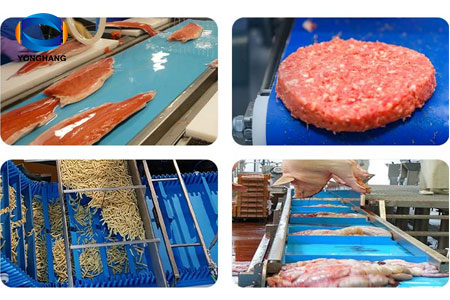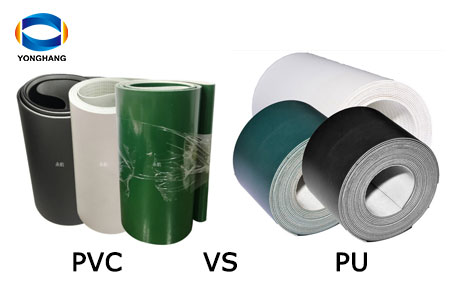
In the food processing industry, damp environments are nearly impossible to avoid. Whether a conveyor belt develops mold when exposed to these conditions over time depends on a comprehensive assessment of its material composition and performance. Below, we detail how different factors influence mold growth and how to choose the right belt for your facility.
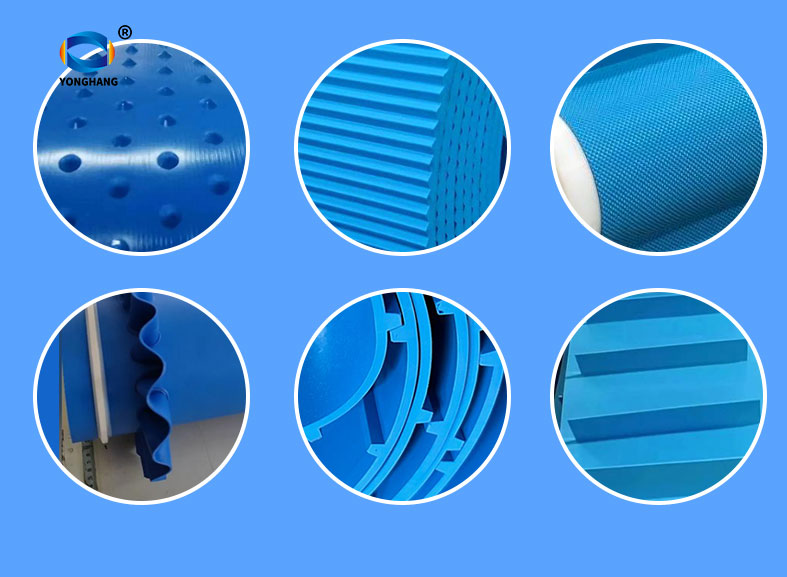
The Critical Role of Material Composition
The material of a food conveyor belt is the primary factor determining its susceptibility to mold.
- Surface Density: High-quality belts are manufactured from food-grade materials with a dense, non-porous surface. This design prevents moisture absorption, significantly reducing the likelihood of mold development.
- Structural Integrity: In contrast, inferior belts often feature a porous, loose structure. These materials readily absorb moisture in humid environments, creating an ideal breeding ground for mold.
- Material Purity: The purity of the raw materials also plays a vital role. Belts free from impurities offer superior resistance to dampness, making them far less prone to fungal formation.
Performance Standards for Damp-Resistant Belts
Compliant food conveyor belts are engineered specifically to thrive in high-moisture settings.
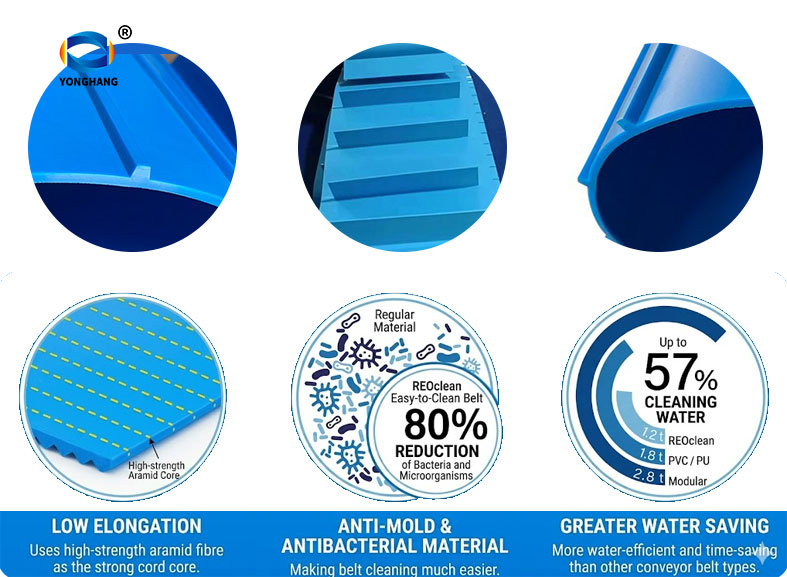
- Hygienic Design: These belts feature smooth surfaces with no hidden corners or crevices. This prevents dirt, food debris, and moisture from accumulating, effectively eliminating mold at the source.
- Aging Resistance: Quality belts resist deformation and aging even when exposed to high humidity for extended periods. They are designed to maintain a dry, clean surface throughout their operational life.
- Active Inhibition: Some specialized belts possess inherent anti-mold properties that actively inhibit fungal growth, further ensuring a safe and sanitary production line.
Comparative Advantages: PU, Silicone, and Easy-Clean Belts
Different materials offer varying levels of moisture resistance and mold prevention depending on your specific processing needs.
| Belt Type | Moisture Resistance Level | Best Use Case |
| PU (Polyurethane) | Strong resistance; does not readily absorb water. | Ideal for medium to low-humidity food processing scenarios. |
| Silicone | Waterproof and heat-resistant; naturally resists mold. | Best for high-humidity environments and high-temperature applications. |
| Easy-Clean | Optimized for rapid moisture removal. | Perfect for lines requiring frequent washdowns to prevent stagnant moisture. |
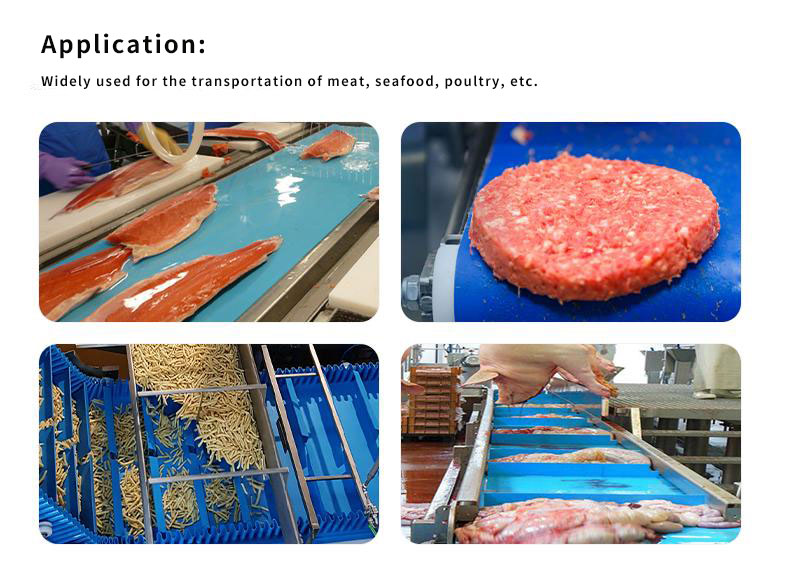
Yonghang reminds us of the most important bottom line
Choosing high-quality, food-grade conveyor belts provides a significant advantage over inferior products. By investing in superior materials and hygienic designs, you ensure stable, long-term operation in damp environments with minimal risk of mold formation and contamination.
Our Yonghang team has 20 years of experience in China and has served over 5,000+ customers in the food industry, being the designated supplier for many listed companies. If you are looking to purchase or need any advice, please feel free to contact us at any time.
FAQ for Food-Grade Conveyor Belts
This FAQ section is designed to address common technical inquiries regarding FDA/USDA/EU compliance, material durability, and sanitation best practices. Our goal is to help you optimize your production line with belting solutions that minimize bacterial growth, resist harsh cleaning chemicals, and eliminate the risk of product contamination.