In the fields of industrial automation and precision manufacturing, the performance of mechanical transmission systems directly impacts production line efficiency, stability, and final product quality. As the manufacturing industry continues to demand higher speeds, greater precision, lower noise levels, and improved environmental sustainability, traditional transmission methods are facing new challenges. With their unique composite material design and breakthrough performance, felt timing belts are emerging as a key force driving innovation in transmission technology.
I. Four Core Innovative Features of Felt Timing Belts
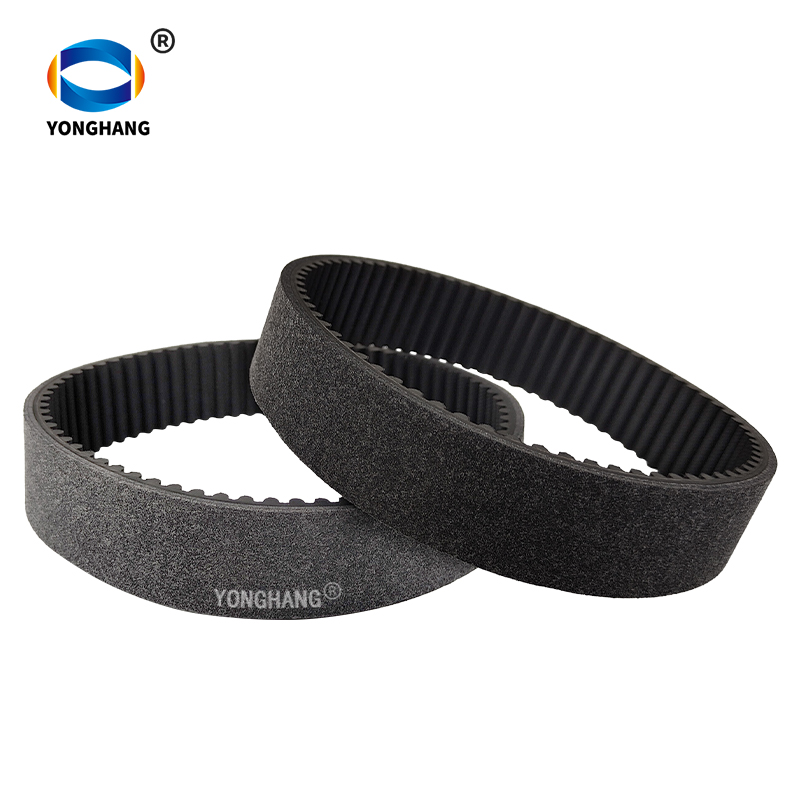
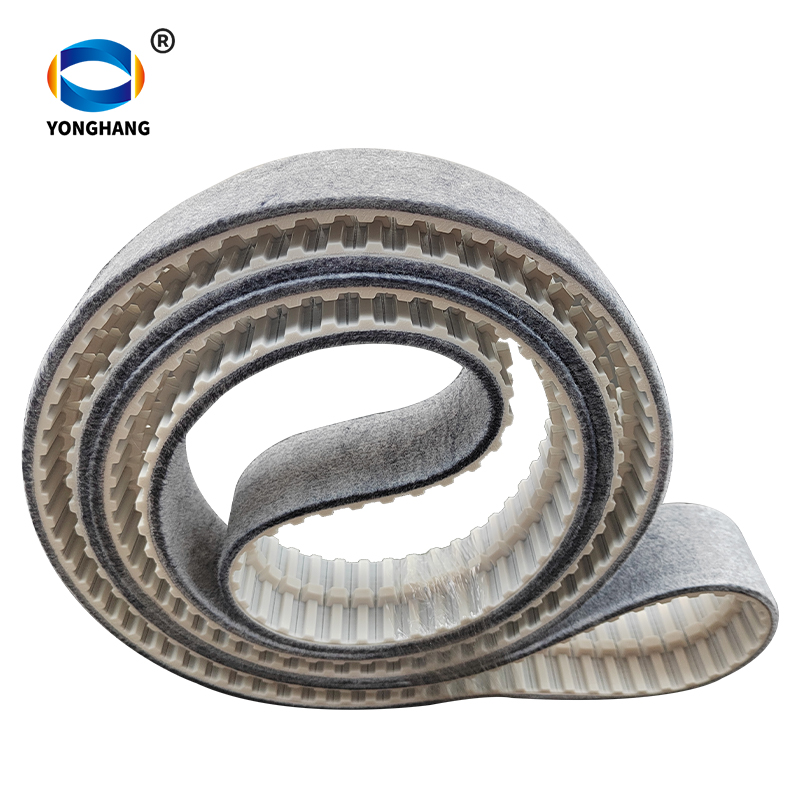
By building upon the high-precision meshing of traditional timing belts and integrating the unique advantages of felt materials, these belts deliver the following outstanding characteristics:
Exceptional Wear Resistance and High Load Capacity
Utilizing a high-strength synthetic fiber substrate and a specialized adhesive system, felt timing belts maintain stable dimensions and transmission precision even under high-load, high-frequency operating conditions. This significantly extends their service life compared to standard belts.
Superior High-Temperature Resistance
Felt material remains stable across a wide temperature range, making it ideal for high-heat working environments. It eliminates the softening or deformation issues that traditional materials often experience under thermal stress.
Significant Vibration Damping and Noise Reduction
The felt layer offers excellent flexibility and energy absorption capabilities, effectively suppressing micro-vibrations and impacts during transmission. This provides a viable solution for achieving a smooth, quiet, and ergonomic industrial production environment.
Reliable Anti-Static Properties
Felt timing belts possess excellent anti-static characteristics. This makes them particularly suitable for static-sensitive applications, such as electronic component assembly and precision instrument manufacturing, ensuring both product safety and process stability.
II. The Far-Reaching Impact on Mechanical Transmission Systems
The introduction of felt timing belts optimizes traditional mechanical transmission systems in several key ways:
Improved Transmission Efficiency: High-precision meshing and low friction loss enable more efficient energy transfer, which reduces overall energy waste.
Reduced Maintenance Costs: Outstanding wear resistance and anti-aging properties extend replacement cycles, thereby reducing equipment downtime and maintenance frequency.
Enhanced Working Environment: Significantly reduced operating noise and vibration contribute to improved operator comfort and workplace safety.
III. Industrial Application Cases
Felt timing belts have demonstrated practical value across a variety of specialized industries:
Aluminum Profile Production Lines: Leveraging their high-temperature resistance and non-marring properties, these belts effectively protect the surface quality of aluminum profiles, preventing the scratches and thermal damage caused by traditional conveying methods.
Textile Machinery: Under high-speed operating conditions, felt synchronous belts provide smooth and quiet transmission, enhancing the stability of the weaving process and increasing overall equipment efficiency.
Electronics Manufacturing Assembly Lines: Their anti-static properties provide a safe and reliable transmission solution for handling sensitive electronic components, drastically reducing the risk of failures caused by electrostatic discharge (ESD).
IV. Future Outlook
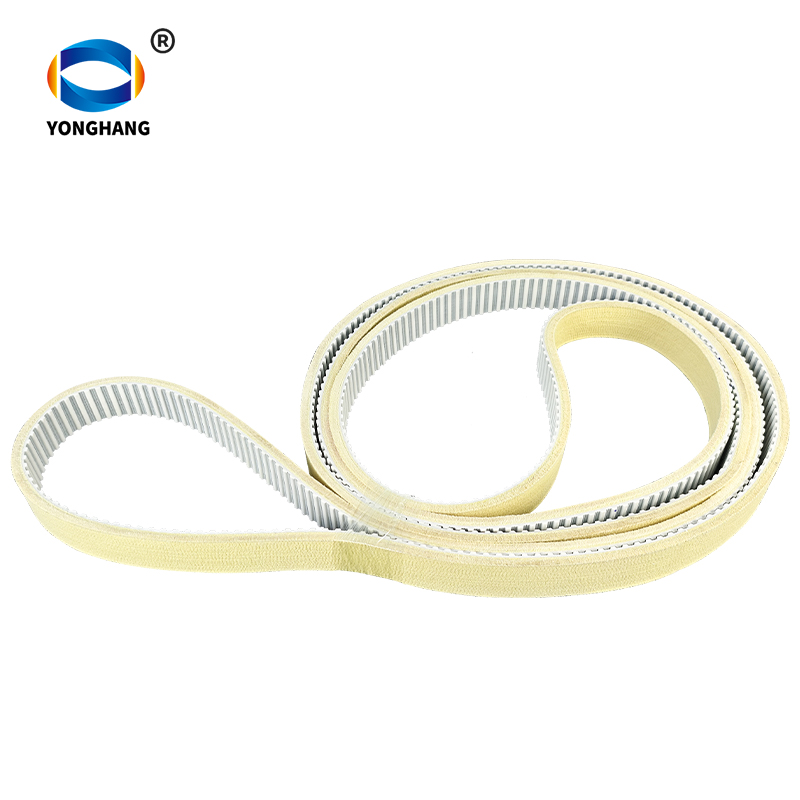
As the manufacturing industry continues to evolve toward intelligent, eco-friendly, and precision-oriented operations, the market demand for high-performance transmission components will continue to grow. With their comprehensive advantages in wear resistance, heat resistance, vibration damping, and anti-static properties, felt timing belts are becoming an essential component of next-generation mechanical transmission systems.
By adopting felt timing belts, companies can not only optimize the operational efficiency and product quality of existing production lines but also expand the boundaries of new processes and products, gaining a competitive edge in an increasingly fierce market. It is foreseeable that felt timing belts will play an increasingly vital role across a broad range of industrial sectors, driving continuous and far-reaching transformations in mechanical transmission technology.