In the printing industry, the precise conveyance of materials is inextricably linked to strict hygiene and safety standards. Thanks to their unique physical and chemical properties, felt conveyor belts have become an indispensable core component of modern printing production lines. The following sections highlight the primary application scenarios and the distinct technical advantages these belts offer.
1. Optimizing the Drying Section for Enhanced Ink Quality
During the printing process, the speed and uniformity of ink drying directly affect image clarity and color saturation. Felt conveyor belts possess excellent ink absorption and breathability, which effectively promote the uniform evaporation of solvents or moisture. By implementing felt belts in the drying section, presses achieve efficient and stable results, significantly enhancing the quality of the finished products.
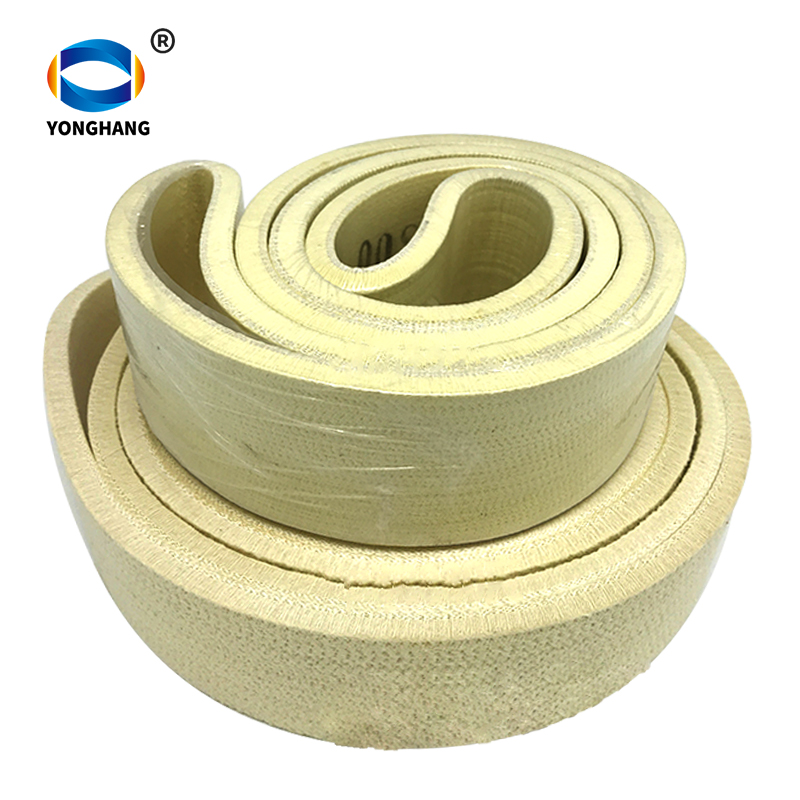
2. Surface Integrity During Color Calibration
Color calibration is a critical step in ensuring consistency. The surface of a felt conveyor belt is soft and elastic, allowing it to gently support substrates and prevent scratches, indentations, or other mechanical damage during adjustments. Additionally, the inherent material stability of these belts helps maintain accurate color reproduction without interference.
3. Secure Transport for Specialized Substrates
Modern printing extends beyond paper to include plastic, metal, and glass. Felt conveyor belts possess superior tensile and tear resistance, enabling the stable transport of these heavy or smooth materials while reducing the risk of slippage or damage. Selecting the appropriate felt density is particularly vital when handling these non-traditional substrates.
4. Electrostatic Mitigation for High-Speed Stability
Paper and ink are prone to generating static electricity during high-speed friction, which can lead to ink droplet misalignment, paper sticking, or equipment malfunctions. Felt conveyor belts feature anti-static properties that effectively suppress charge buildup, ensuring the continuity of the printing process. This characteristic gives felt belts a distinct competitive advantage in high-speed applications.
5. Maintenance Efficiency and Hygienic Standards
In printing environments, ink residue and paper debris are common hazards that can compromise product quality. The design of felt conveyor belts facilitates easy cleaning and allows them to withstand a variety of industrial cleaning agents. This durability helps maintain a high level of cleanliness, ensuring the production line meets the industry’s strict hygiene and safety requirements.
6. Mechanical Adaptability to Variable Conditions
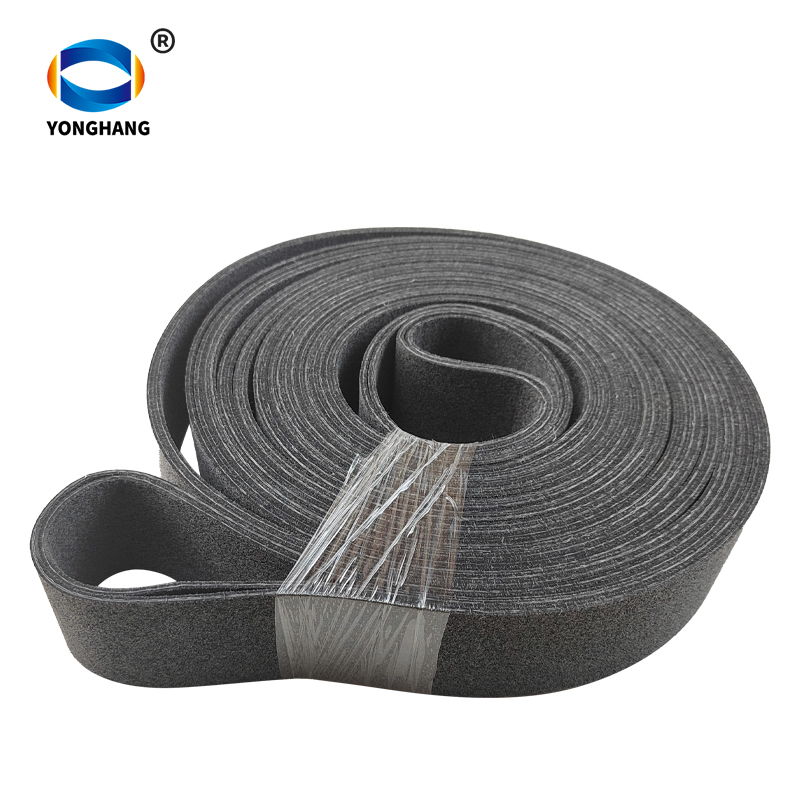
Printing presses often experience fluctuations in speed and pressure. Felt conveyor belts feature high elasticity and excellent wear resistance, enabling them to maintain stable trajectories and tension under varying loads. This adaptability minimizes downtime for adjustments and allows the belts to handle a wide range of complex printing processes.
7. Acoustic Insulation for Improved Workspaces
The fibrous structure of felt provides excellent sound-absorbing properties, effectively dampening the mechanical noise generated during equipment operation. By lowering the noise level in the workshop, felt conveyor belts enhance operator comfort and contribute to a safer, more focused professional environment.
8. Sustainability and Eco-Friendly Production
Felt conveyor belts are typically manufactured from recyclable materials, aligning with the industry’s increasingly stringent environmental requirements. By reducing waste generation and offering a long service life, the selection of eco-friendly felt belts helps enterprises achieve their “green production” goals and sustainable development targets.