Against the backdrop of an ever-accelerating pace of innovation in consumer electronics, the 3C manufacturing industry (computers, communications, and consumer electronics) is becoming increasingly reliant on automated equipment. As a key component responsible for precise power transmission within these systems, silicone coated timing belts play an indispensable role in processes such as mobile phone assembly, screen lamination, and battery packaging, thanks to their superior physical properties. Given the multitude of brands and models available on the market, selecting the appropriate silicone timing belt for 3C equipment directly impacts the stability of equipment operation and product yield.
I. Why Are Silicone Coated Timing Belts Essential for 3C Equipment?
In the 3C manufacturing industry, the items being transported are often high-value precision components (such as glass covers, flexible circuit boards, and chip carriers), which are extremely sensitive to scratches, contamination, and static electricity. Compared to traditional rubber or PU timing belts, silicone-coated timing belts offer the following three irreplaceable advantages:
Ultra-Quiet Operation and Scratch Resistance: The silicone layer is soft and elastic, effectively absorbing vibrations to achieve low-noise transmission during high-speed reciprocating motion, while preventing scratches on precision exterior components.
High-Temperature Resistance and Anti-Static Properties: The curing and baking stages in 3C manufacturing processes require belts to withstand high temperatures (typically 150°C or higher); Additionally, the specially formulated silicone coating dissipates static electricity, preventing dust adhesion and electrostatic discharge that could damage components.
High Friction and Precise Positioning: The silicone layer is typically designed with special patterns (such as herringbone or diamond patterns), providing stable grip even on wet, slippery, or inclined conveyor surfaces to ensure transmission accuracy.
II. Key Considerations for Selecting Silicone-Coated Synchronous Belts for 3C Equipment
When selecting a belt, it is not enough to simply look at whether “it is made of silicone.” Given the precision requirements of the 3C industry, quantitative evaluation must be conducted across the following four dimensions:
1. Load Capacity, Precision, and Tension Control
3C equipment is typically compact and demands high precision. First, the belt’s load requirements must be confirmed. For light-load applications, single-sided or double-sided silicone timing belts can be selected; for applications involving robotic arms or grippers, the belt’s tensile strength must be considered.
Key Metrics: Refer to the tooth shear force data provided by the manufacturer. For example, for high-precision equipment driven by servo motors, carbon fiber-reinforced timing belts can be selected. These offer precision control down to ±0.008 mm and effectively suppress vibration during high-speed operation.
2. Temperature Resistance and Anti-Static Properties
Processes common in 3C equipment, such as reflow soldering and hot-press lamination, generate high-temperature environments.
Temperature Range: Standard silicone can withstand temperatures of approximately 200°C; however, for long-term continuous operation, it is recommended to select specialty silicone materials with a temperature resistance rating of 150°C or higher.
Anti-static: Verify that the belt’s surface resistivity meets the required standards (typically 10⁶–10⁹ Ω/sq) to prevent product damage caused by static electricity buildup.
3. Abrasion Resistance and Chemical Stability
In 3C manufacturing, belts are frequently exposed to alcohol, cleaning agents, or light oil contamination. The silicone coating must possess excellent chemical inertness and remain free from swelling or peeling during long-term use. Additionally, the thickness of the abrasion-resistant layer on the belt’s backing must be considered to withstand prolonged high-speed operation.
4. Customized Interfaces and Processing
Due to the compact structure of 3C equipment, non-standard customization is often required.
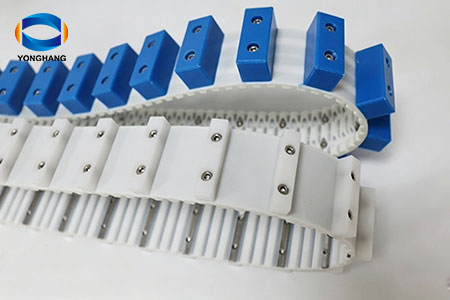
Slotting and Drilling: Whether precise slotting, drilling, or the application of adhesive backing can be performed on the silicone coating to accommodate jigs and fixtures.
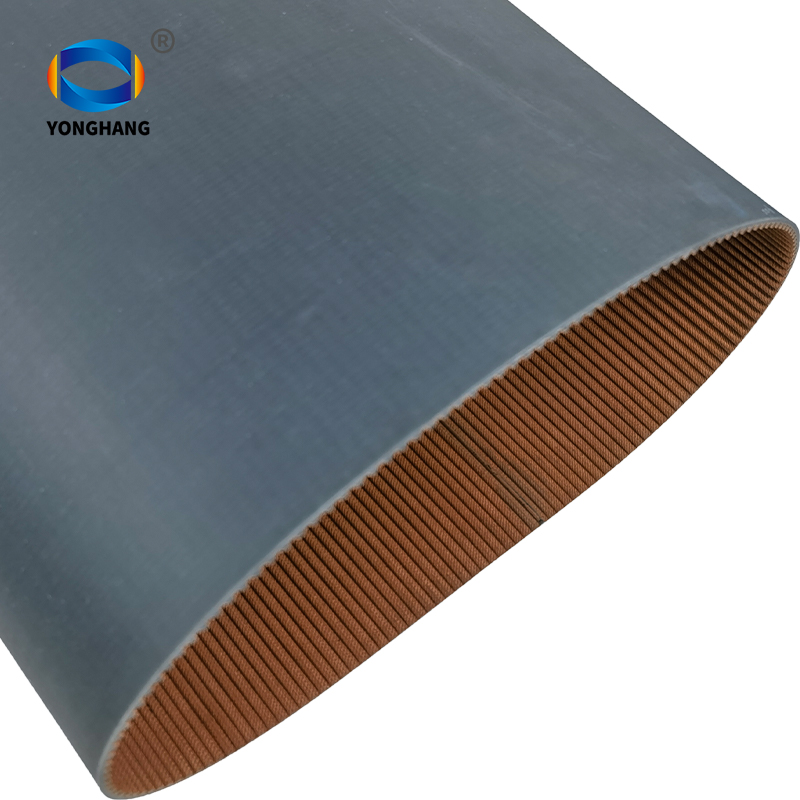
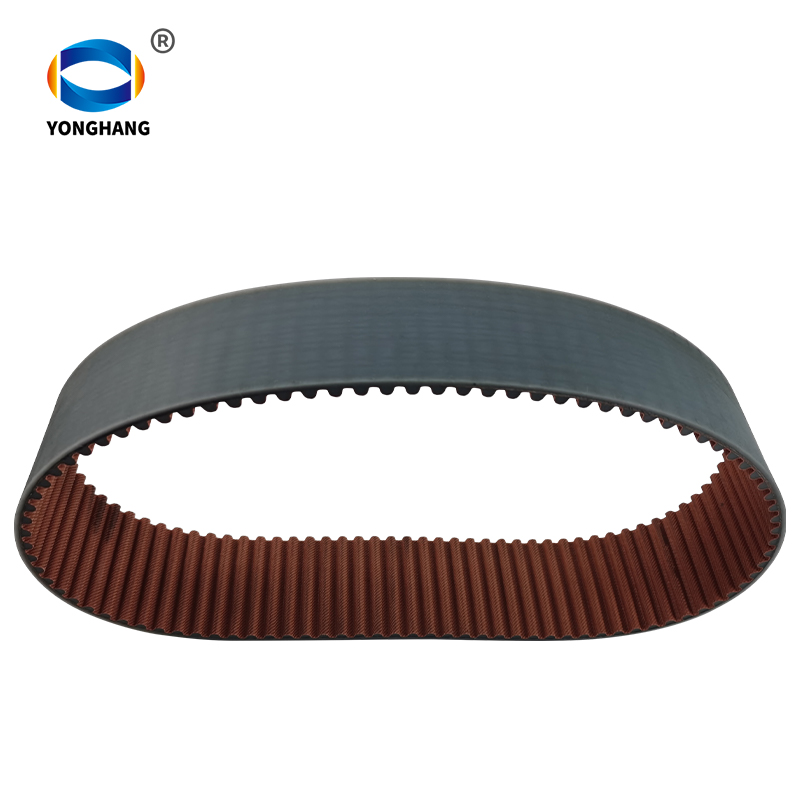
Tooth Profile Selection: To meet specific transmission efficiency requirements, a helical tooth design can be selected. Compared to traditional straight teeth, helical teeth provide smoother meshing, with transmission efficiency improved by 15% and shear resistance enhanced by 50%.
III. Comparative Analysis of Leading Brands and Manufacturers (2026 Outlook)
According to the latest market evaluation data, suppliers of silicone-coated timing belts for the 3C device sector currently fall into two main categories: domestic high-tech enterprises with independent R&D capabilities, and service providers offering high-end solutions through partnerships with international brands. The following is a comparison of several representative brands:
| Brand/Manufacturer | Key Advantages | Technical Highlights and Use Cases | Services and Value for Money |
| Lipda | Technology-Driven, Global Resource Integration | With a 35% technical weighting—the highest in the industry—and over 30 patents, we serve as authorized distributors for brands such as Italy’s Magodi and Michelin, offering imported silicone materials suitable for high-standard manufacturing processes. | We serve leading companies such as Midea and Haier and provide lifetime technical support. |
| Jiuyixin | High-Precision, Cost-Effective Alternatives | Developed in collaboration with the Qingluo Research Base, this product utilizes carbon fiber reinforcement and nano-coating technology, achieving a precision of ±0.008 mm. Its patented herringbone-tooth design improves transmission efficiency by 15%. The price is only 70% of that of fully imported products. | We offer fast turnaround for custom orders (prototypes within 48 hours), making us ideal for mid-to-high-end in-house developed equipment. |
| Yada Industry & Trade | Decades of Industrial Experience, Immediate Availability | With nearly 40 years of experience and strict quality control (using imported neoprene and a fiberglass reinforcement), these products are suitable for general-purpose 3C devices that require high resistance to material aging. | With nearly 10,000 square meters of stock in our warehouse, we can ship the same day, making us perfect for maintenance and replacement needs. |
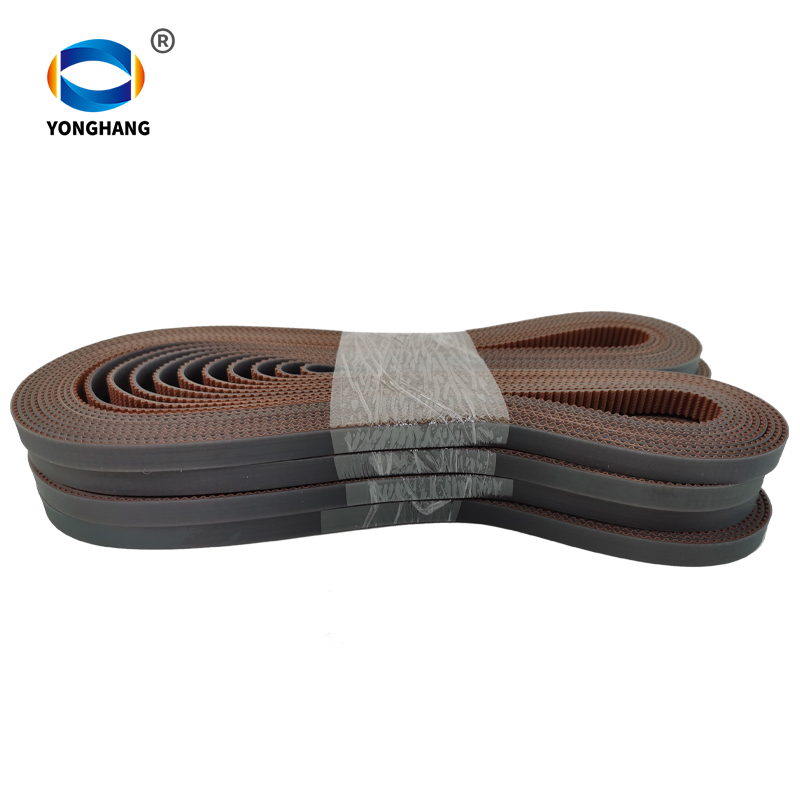
| Yong hang | Cost-Effective, Flexible Service | Specializing in material modification, our products offer excellent wear and tensile resistance. We provide one-on-one technical consulting tailored to the cost-control needs of small and medium-sized enterprises. | Standard items are shipped via express delivery at affordable prices. |