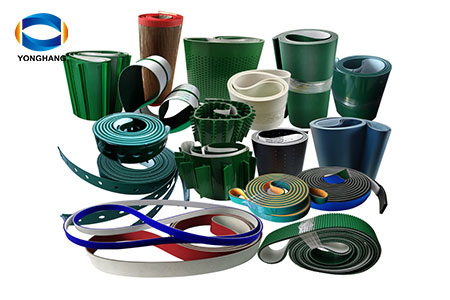
In modern automotive manufacturing and powertrain systems, transmission components play a critical role. Among these, timing belts (also known as synchronous belts) are widely used in the drive systems of engine valve trains, fuel pumps, water pumps, and various auxiliary systems due to their precise transmission ratios, low noise, and high efficiency. As automotive technology evolves toward higher temperatures, heavier loads, greater reliability, and lighter weight, a new type of high-performance transmission component—the silicone coated timing belt—is gradually gaining attention in the industry. This article will focus on discussing its application advantages in the automotive industry and installation considerations.
I.Introduction to Silicone Coated Timing Belts
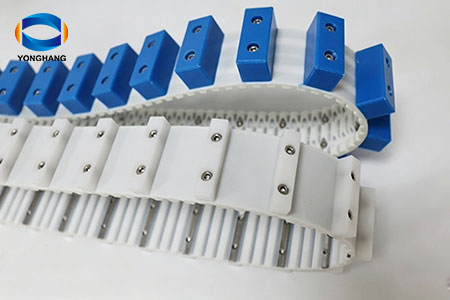
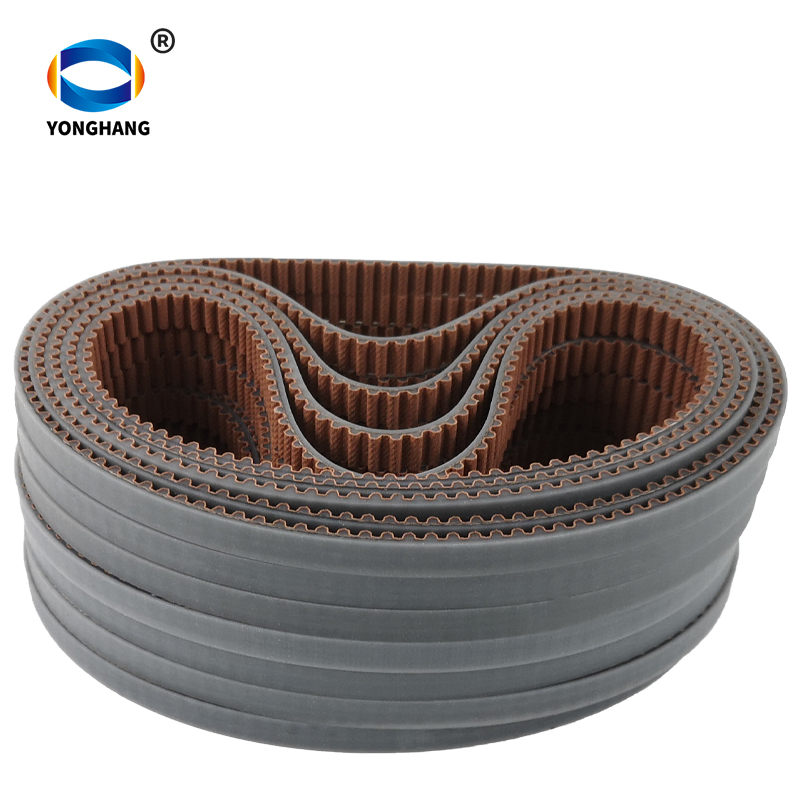
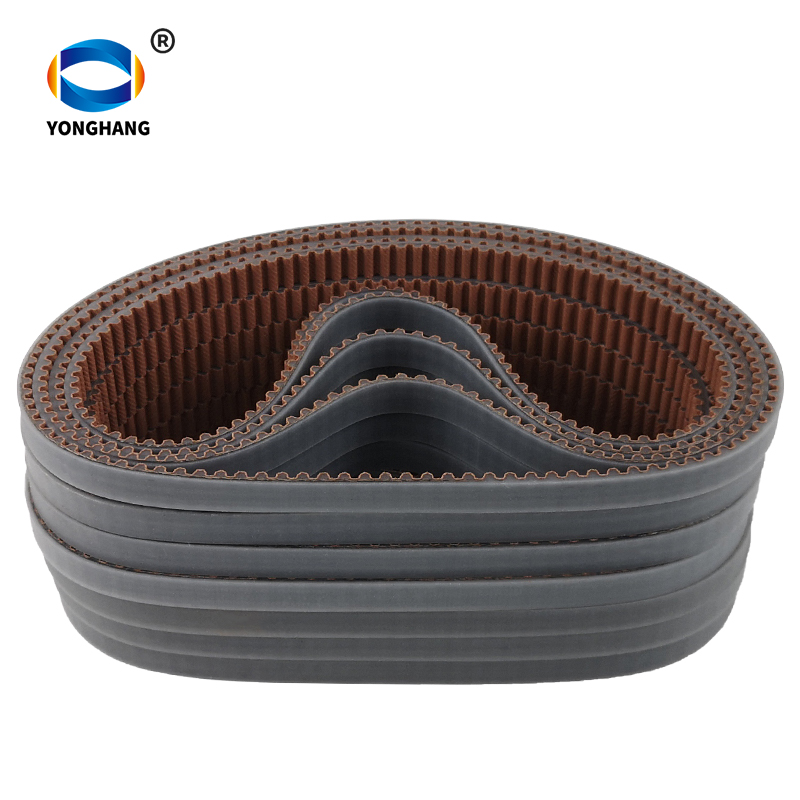
Silicone coated timing belts feature a tensile layer made of high-strength glass fiber, aramid, or steel cord, with a core composed of special silicone rubber material. A silicone coating with specific functional properties is applied to either the working surface or the back side. This coating not only preserves the excellent properties inherent to silicone but also imparts characteristics such as self-lubrication, antistatic properties, oil resistance, wear resistance, or low friction, depending on the application requirements.
II. Application Advantages in the Automotive Industry
Excellent Resistance to High and Low Temperatures
Silicone materials have an operating temperature range of -50°C to +200°C, far surpassing traditional neoprene or polyurethane timing belts. In environments such as engine compartments, where temperatures fluctuate drastically and local temperatures may exceed 150°C, silicone coated timing belts are resistant to hardening, cracking, or softening and deformation, maintaining dimensional stability and mechanical properties over the long term.
Superior Oil and Chemical Resistance
Automotive drivetrains inevitably come into contact with engine oil, fuel, coolant, and various cleaning solvents. The silicone coating exhibits excellent resistance to swelling and corrosion from mineral oils, synthetic oils, and most chemical media, thereby preventing belt expansion, strength degradation, or delamination failure.
Low Friction and Wear Resistance
The coating is formulated with a special design that significantly reduces the coefficient of friction between the timing belt and the pulley, thereby lowering energy consumption and temperature rise. Additionally, the coating offers excellent wear resistance, extending the belt’s service life during high-speed reciprocating motion. It is particularly suitable for auxiliary systems operating under high loads and at high frequencies (such as alternators, air conditioning compressors, and power steering pumps).
High Resistance to Aging and Ozone
Traditional rubber timing belts are prone to cracking and aging when exposed to air, ozone, and UV radiation over extended periods. Silicone rubber is inherently chemically inert, and when combined with the protective coating, it enables longer maintenance intervals in applications such as engine compartments where belts operate continuously and cannot be replaced frequently.
Low Noise and Vibration Damping
Silicone rubber possesses excellent damping properties, effectively absorbing minor vibrations and shocks during power transmission to reduce operating noise. For passenger vehicles, this directly enhances ride comfort and is particularly suitable for models with stringent NVH (Noise, Vibration, and Harshness) requirements.
Lightweight Design and Design Flexibility
Silicone coated timing belts can achieve thinner belt profiles and smaller bending radii while maintaining strength, contributing to compact engine layouts and weight reduction goals, and aligning with the trend toward energy efficiency and reduced fuel consumption in modern vehicles.
III. Installation Precautions
Although silicone coated timing belts offer excellent performance, improper installation can still lead to premature failure or safety hazards. The following are key precautions:
Align Timing Marks Precisely
For timing systems such as the valve train, ensure that the timing marks on components like the crankshaft and camshaft are aligned with the pulley marks before installation. Any misalignment may cause the engine to malfunction or even result in a collision between the pistons and valves.
Maintain Proper Tension
If tension is too low, the belt teeth may skip or slip, causing timing misalignment; if tension is too high, it will increase the load on the belt teeth and bearings, accelerating wear or even causing the belt to break. Use specialized tensioning tools or automatic tensioning pulleys as specified by the manufacturer.
Inspect the Condition of Pulleys and Guide Devices
Before installation, ensure that all pulleys (including idler pulleys and tensioner pulleys) show no visible wear, burrs, or runout, and that the grooves are clean and free of oil residue. Guide flanges must not be deformed to prevent belt misalignment or edge wear.
Avoid Bending and Twisting
Although silicone coated timing belts are relatively flexible, excessive bending (especially reverse bending) or twisting can damage the internal tensile layer and coating structure. Keep the belt straight during storage and installation; do not force it into place.
Prevent Contamination by Oils and Solvents
Although the silicone coating offers good oil resistance, prolonged immersion in large amounts of engine oil or fuel may still shorten its service life. During installation, ensure that the engine has no leaks, and operators must keep their hands free of grease, solvents, or cleaning agents to prevent contamination of the working surface, which could affect friction characteristics.
Use Specialized Tools for Installation
Never use sharp metal tools such as screwdrivers to forcefully pry the timing belt, as this may scratch the coating or cause localized stress concentration. Loosen the tensioner pulley appropriately, manually slide the belt onto the pulleys, and then adjust the tension.
Principle of Replacing in Sets
When replacing silicone coated timing belts, it is recommended to replace accessories such as tensioner pulleys and idler pulleys at the same time. During use, the old belt causes specific wear on the bearings and pulley grooves. Replacing only the belt may result in abnormal noise or a shortened service life due to poor fit.
Post-Operation Inspection
After installation is complete and the engine has been running for a period of time (e.g., 10–15 minutes), shut down the engine and recheck the tension and belt position. New belts may experience slight elongation initially; make minor adjustments as necessary.