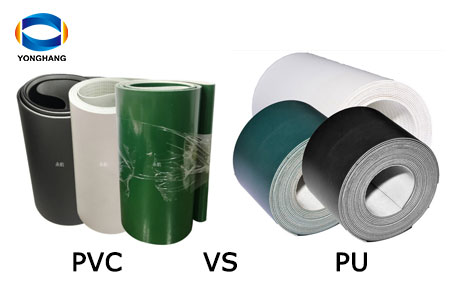
Rubber vs. Polyurethane Timing Belts
If you work with industrial machinery, automation, or even automotive systems, you’ve probably come across timing belts—those essential components that keep gears and shafts moving in perfect sync. But not all timing belts are created equal. Two of the most common types are rubber timing belts and polyurethane (PU) timing belts, and knowing their differences can save you time, money, and headaches when choosing the right one for your application.
Today, we’re breaking down the key differences between these two popular timing belt materials, from their composition and performance to their ideal uses. By the end, you’ll have a clear idea of which one fits your needs
1. Material: The Foundation of Their Differences
Let’s start with the basics: what they’re made of. This is where the two belts diverge most, and it impacts every other feature we’ll cover.
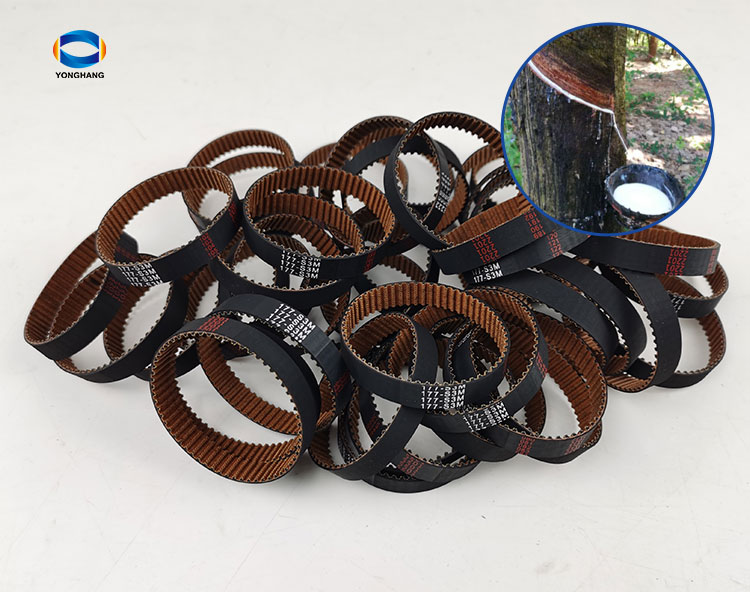
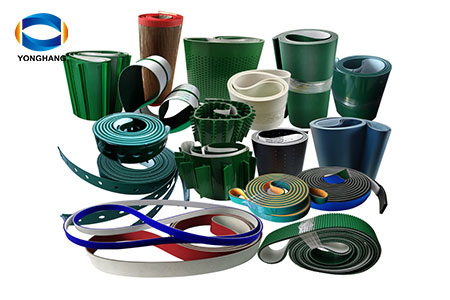
- Rubber Timing Belts: As the name suggests, these belts are made from synthetic rubber. They’re flexible, durable, and designed to handle a wide range of general-purpose applications. Think of them as the “workhorses” of the timing belt world—reliable, no-fuss, and built for everyday use.
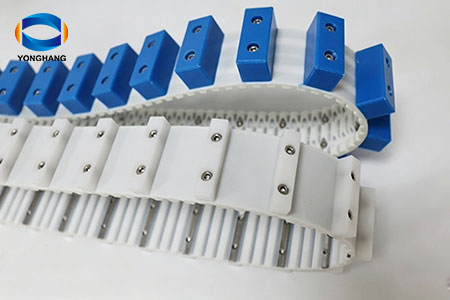
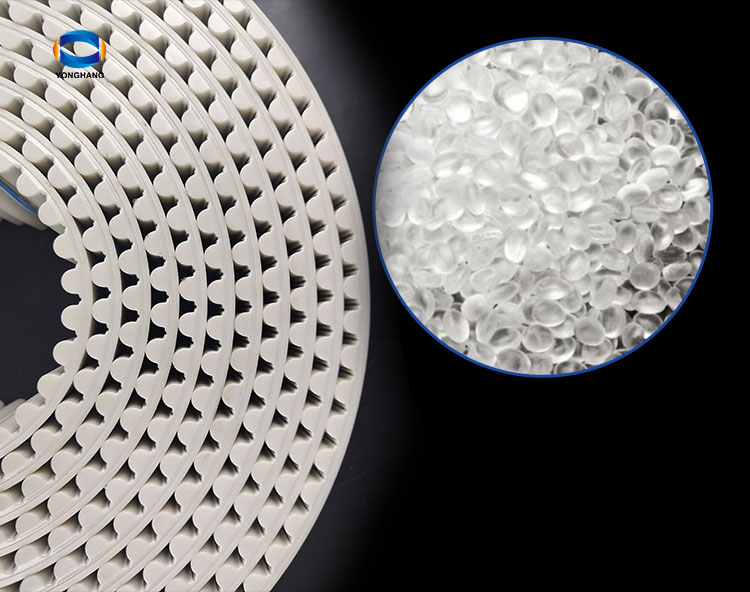
- Polyurethane (PU) Timing Belts: These belts are made from polyurethane, a versatile polymer that comes in two main types: TPU (thermoplastic polyurethane) and CPU (cast polyurethane). PU is stiffer than rubber, with a smoother surface, and it’s engineered for precision and specific, high-performance needs.
2. Hardness & Flexibility: Soft vs. Stiff
Hardness plays a big role in how each belt performs, especially when it comes to flexibility and wear.
- Rubber Timing Belts: They’re relatively soft, clocking in at around 65 Shore A hardness. This softness makes them super flexible—great for applications that require frequent bending, reciprocating motion, or tight turns. They can handle repeated flexing without cracking, which is a huge plus for machinery that runs nonstop.
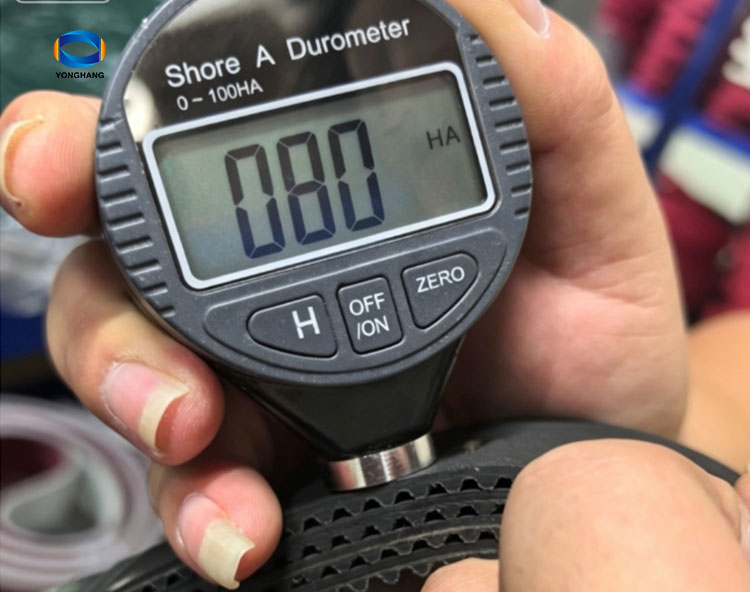
But the hardness of rubber timing belts is not a fixed value, generally ranging from Shore A 60 to A 80. This range varies according to specific materials, formulations and manufacturing processes.
I have compiled detailed information on common rubber materials for your reference:
| Rubber Type | Typical Hardness Range (Shore A) | Key Properties | Typical Applications |
|---|---|---|---|
| Neoprene | 65 – 80 | Well-balanced overall performance, weather resistance, heat resistance, oil resistance and good elasticity. | Automotive timing belts, general industrial transmission, household appliances |
| Nitrile Rubber (NBR) | Approx. 60 | Excellent oil resistance with stable performance in oily environments. | Machinery equipment exposed to oil, chemical plants |
| Natural Rubber (NR) | Approx. 35 – 45 | Excellent elasticity, soft texture, outstanding shock absorption and cushioning performance. | High-impact and shock-absorbing applications (such as some conveying machinery) |
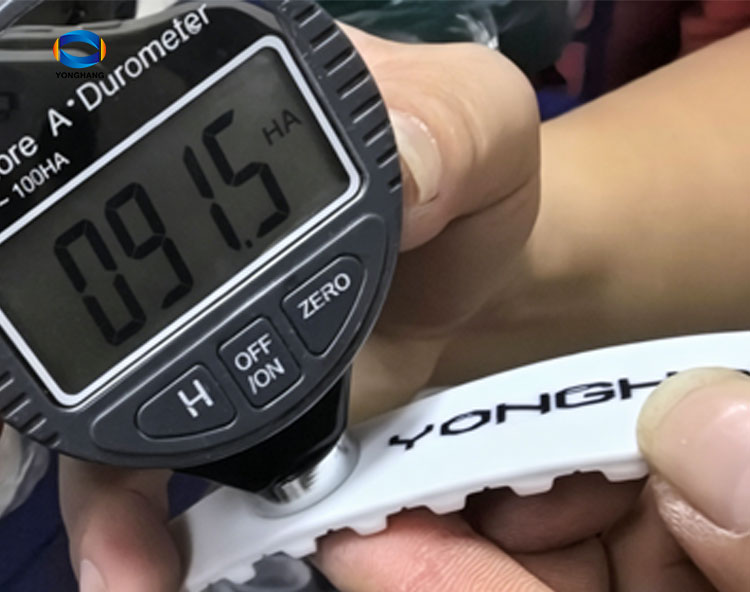
- Polyurethane (PU) Timing Belts: These are stiffer, usually around 92 Shore A hardness. Their rigidity makes them ideal for precision (transmission), but they’re less flexible. If your application involves a lot of back-and-forth movement or tight bends, a PU belt might not hold up as well over time.
3. Temperature Resistance: A Make-or-Break Factor
One of the biggest gaps between rubber and PU belts is their ability to handle heat. This is why you’ll never see a PU belt in a car engine—and there’s a good reason for that.
- Rubber Timing Belts: They excel in high-temperature environments, with a maximum operating temperature of 140°F (60°C) or higher. This is why they’re the go-to for automotive applications—car engines get hot, and rubber belts can handle the heat without softening or breaking down. They also hold up better in cold temperatures than PU in some cases.
- Polyurethane (PU) Timing Belts: Their maximum operating temperature tops out at around 176°F (80°C). Beyond that, PU starts to soften, warp, and lose its strength. This limits them to applications that stay cool—no hot engines or high-heat industrial processes here.
4. Wear, Chemical Resistance & Cleanliness
When it comes to durability and suitability for specific environments, these two belts couldn’t be more different.
- Wear Resistance: PU belts are 8 times more wear-resistant than rubber belts. Their smooth, hard surface holds up better against friction, making them ideal for high-speed or high-load applications where wear is a concern.
- Chemical Resistance: PU belts are more resistant to oils, acids, and other chemicals than rubber belts. If your machinery uses lubricants or operates in a chemical-rich environment, PU is the better choice.
- Cleanliness: This is a big one for industries like food, medical treatment and electronics. PU belts don’t produce dust or debris when they run, which makes them perfect for cleanrooms or applications where contamination is a no-go. Rubber belts, on the other hand, can shed small particles over time—definitely not ideal for sensitive products.
- Water Resistance: Rubber belts win here—they’re more water-resistant and hold up better in environments. PU belts don’t handle moisture well; prolonged exposure can cause them to degrade or crack.
5. Manufacturing Process: Simple vs. Complex
The way these belts are made also affects their cost and availability.
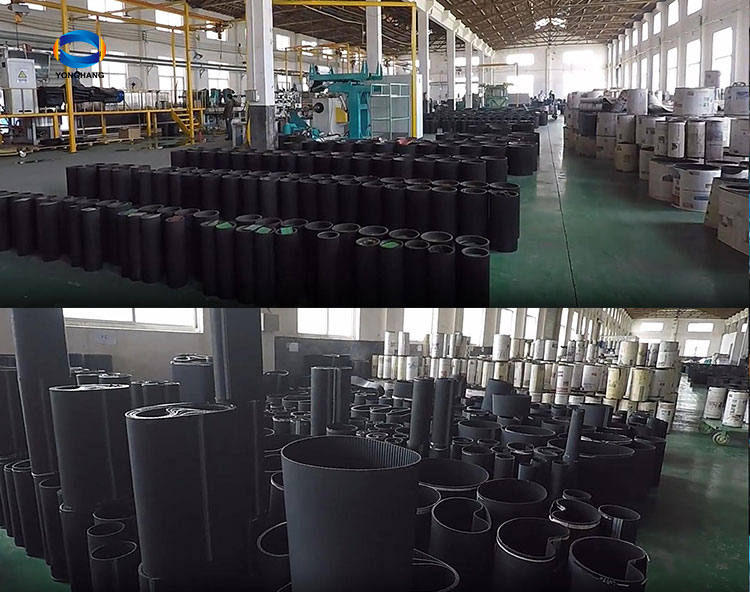
- Rubber Timing Belts: The manufacturing process is more complex. It involves mixing rubber compounds, molding, vulcanization (a heat-treating process), and finishing. This extra work makes them slightly more labor-intensive, but their widespread use keeps costs low.
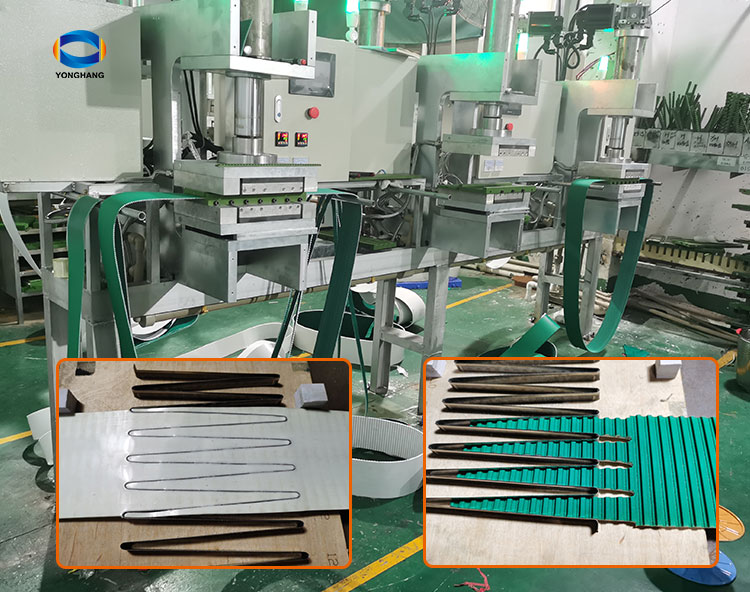
- PU Timing Belts: The process is much simpler. TPU belts are extruded directly from molten plastic, while CPU belts are made using a casting method. This simplicity means faster production, but PU materials are often more expensive than rubber, so the end product can cost more.
6. Applications: Which Belt Goes Where?
Now that we’ve covered the specs, let’s talk about real-world use cases. The right belt depends entirely on what you’re using it for.
Rubber Timing Belts Are Perfect For:
- Automotive engines (they’re the only choice here—PU can’t handle the heat!)
- General industrial machinery (conveyors, pumps, fans)
- High-temperature or moist environments
- Applications with frequent bending or reciprocating motion
- Budget-friendly projects (they’re cheaper and more widely available)
PU Timing Belts Are Perfect For:
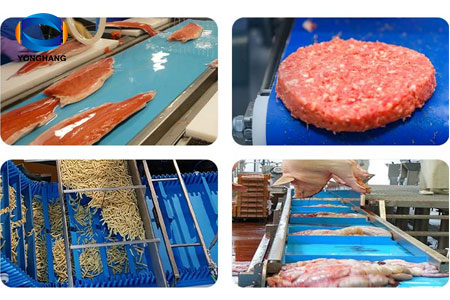
- Food,medicine, and beverage industries (clean, dust-free operation)
- Electronics manufacturing (no contamination)
- Precision automation (CNC machines, computerized embroidery machines, glass manufacturing)
- High-wear or chemical-exposed environments
- High-precision drive where accuracy matters most
The Big Question: Can PU Replace Rubber?
Short answer: No—at least not entirely. While TPU belts are gaining popularity in precision and clean industries, they can’t replace rubber belts in high-temperature, automotive, or general-purpose applications. Rubber’s flexibility, heat resistance, and affordability make it irreplaceable for many jobs. Think of it this way: PU is the “specialist,” while rubber is the “all-rounder.”
Final Verdict: How to Choose
Here’s a quick cheat sheet to help you decide:
- Choose rubber if you need heat resistance, flexibility, water resistance, or a budget-friendly option (automotive, general industrial use).
- Choose PU if you need precision, wear resistance, chemical resistance, or a clean, dust-free operation (food,medicine, electronics, precision automation).
Both rubber and PU timing belts have their strengths—and knowing those strengths is key to keeping your machinery running smoothly. Whether you’re fixing a car engine or setting up a cleanroom production line, picking the right belt will save you time, money, and frustration down the line.
Have you used both types of timing belts? Drop a comment below and share your experience—we’d love to hear from you!