What is the difference between rubber timing belts and polyurethane timing belts?
Isn’t the hardness of a rubber timing belt a fixed value? Apart from hardness, what other differences are there between it and a PU timing belt?

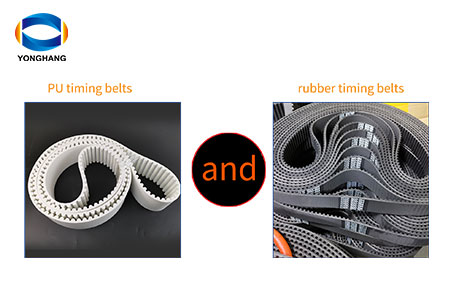
Isn’t the hardness of a rubber timing belt a fixed value? Apart from hardness, what other differences are there between it and a PU timing belt?
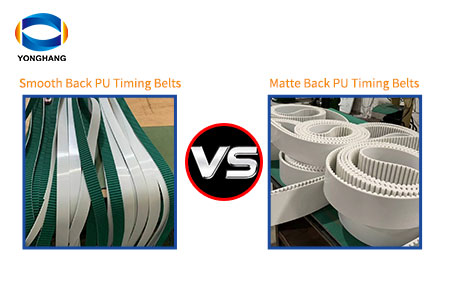
Although both are PU (polyurethane) timing belts, the glossy and matt finishes on the back may appear to differ only in terms of surface sheen; in reality, however, there are differences in performance, suitability for specific operating conditions and equipment performance, with glare interference during visual inspection being the most typical example!
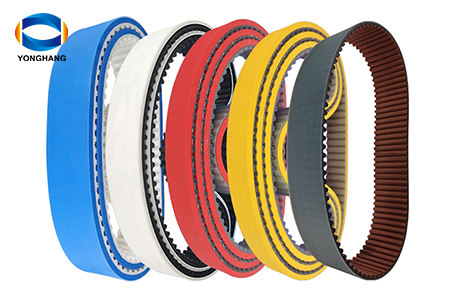
In industrial transmission and material handling, the choice of silicone coated timing belts directly impacts equipment efficiency, maintenance costs, and lifespan. Faced with the two mainstream options—silicone-coated timing belts and PU (polyurethane) timing belts—many equipment engineers often struggle to decide.Each has its strengths—there is no absolute “better,” only “more suitable.” Drawing on the latest 2026…
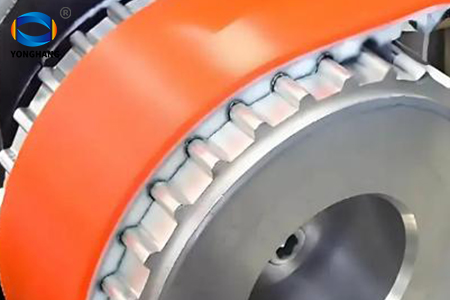
In the realm of precision transmission, PU timing belts have become core transmission components in automation equipment and precision instruments due to their outstanding wear resistance, high elasticity, and oil resistance. However, a frequently overlooked yet crucial design detail the tooth profile silently governs the overall physical properties of the timing belt. From classic trapezoidal…

Leave Your Message