6009 Series High-temperature-resistant heavy-duty ptfe conveyor mesh belt
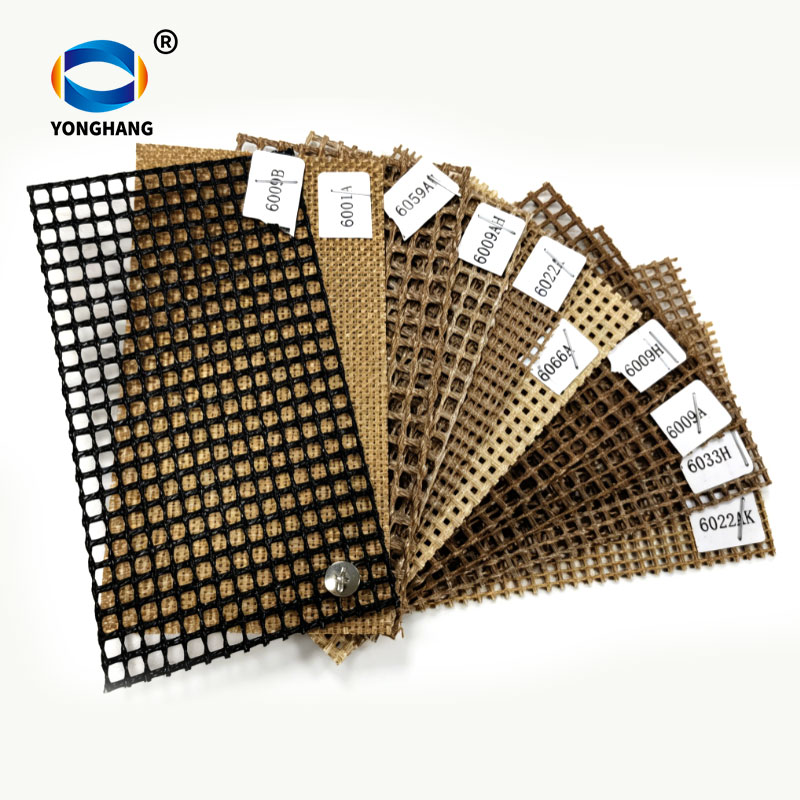
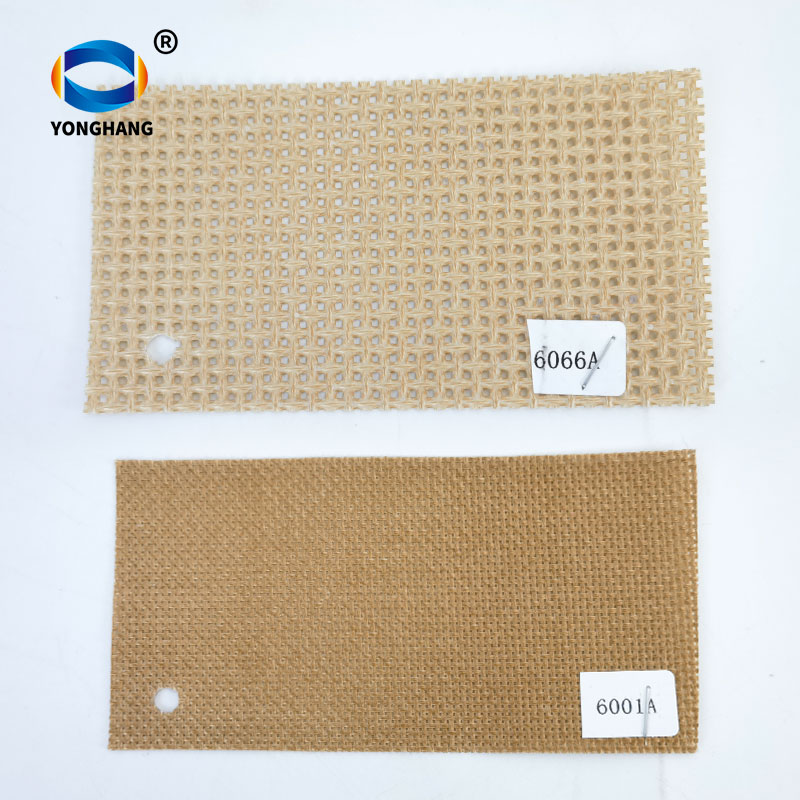
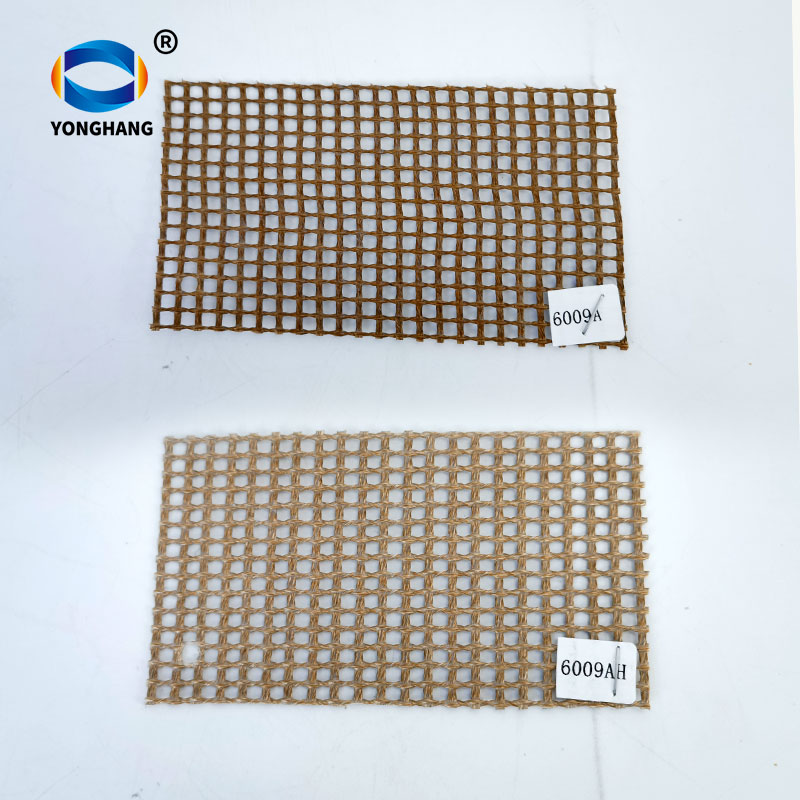
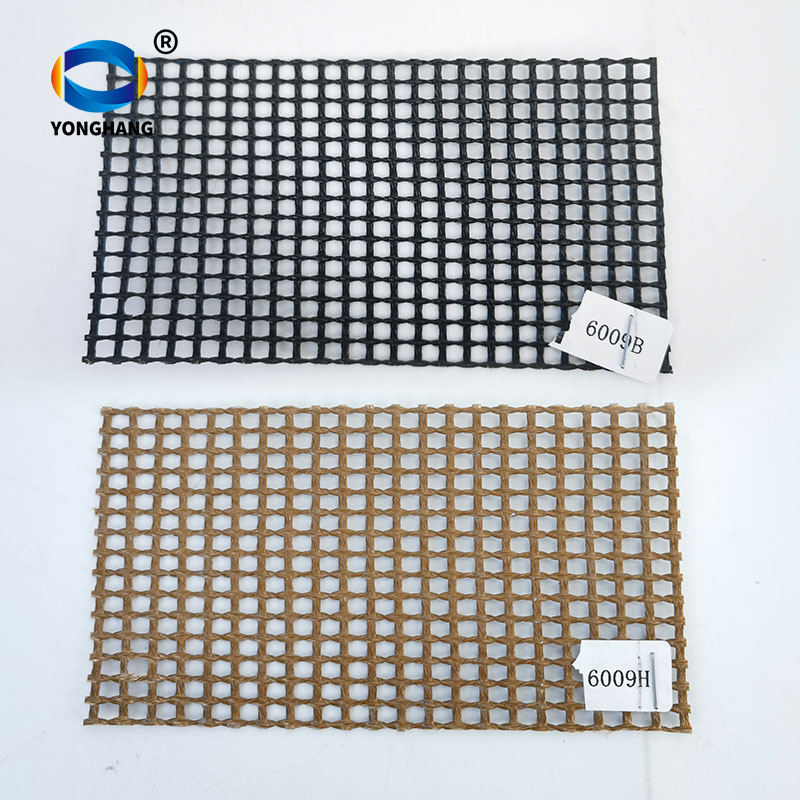
PTFE (Teflon) mesh conveyor belts are manufactured using a polytetrafluoroethylene (commonly known as the ‘King of Plastics’) emulsion as the raw material, impregnated into a high-performance glass fibre mesh, making them a new type of high-performance, multi-purpose composite material. The Yonghang 6009 series is primarily available in two-dimensional and three-dimensional weaves; the difference from the…
PTFE (Teflon) mesh conveyor belts are manufactured using a polytetrafluoroethylene (commonly known as the ‘King of Plastics’) emulsion as the raw material, impregnated into a high-performance glass fibre mesh, making them a new type of high-performance, multi-purpose composite material. The Yonghang 6009 series is primarily available in two-dimensional and three-dimensional weaves; the difference from the 6001 series lies in its superior tensile strength. Please refer to our technical data sheet for further details.
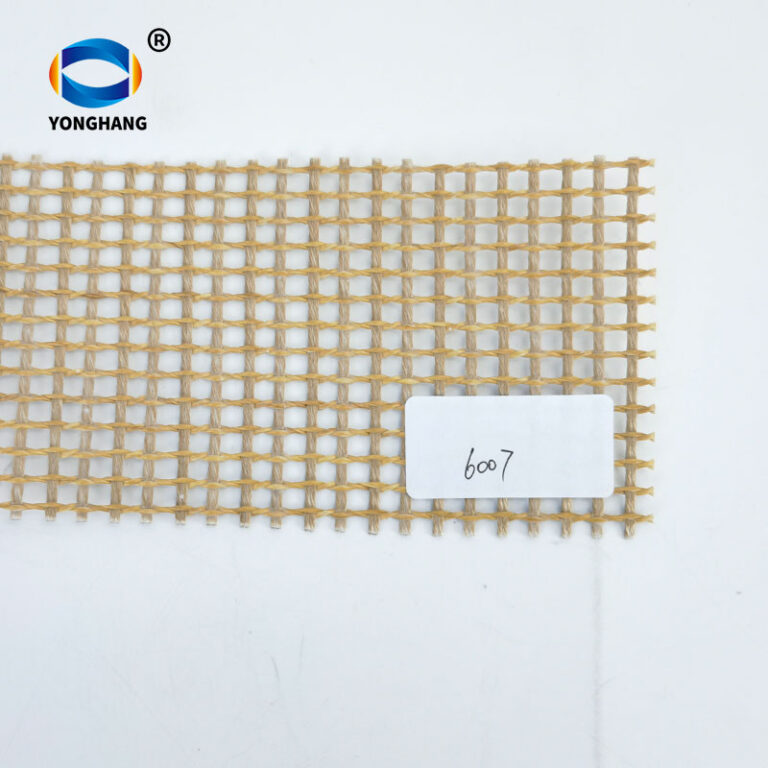
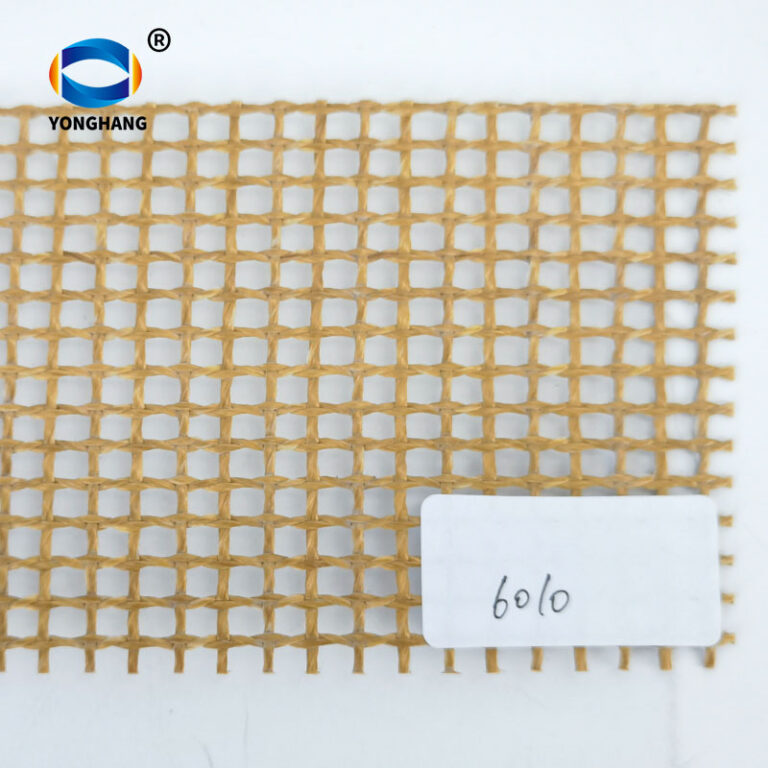
6009 Series heavy-duty ptfe conveyor mesh belt specification
| Model | Colour | Hole diameter | Material | Weight | Max.width | Tensile strength | Working temperature | |
|---|---|---|---|---|---|---|---|---|
| 6001A | maize-yellow | 1*1mm | Fiberglass | 440±5g/m² | 4400mm | 1800/1500N/5cm | -140℃~+360℃ | |
| 6001B | black | 1*1mm | Fiberglass | 440±5g/m² | 4400mm | 1800/1500N/5cm | -140℃~+360℃ | |
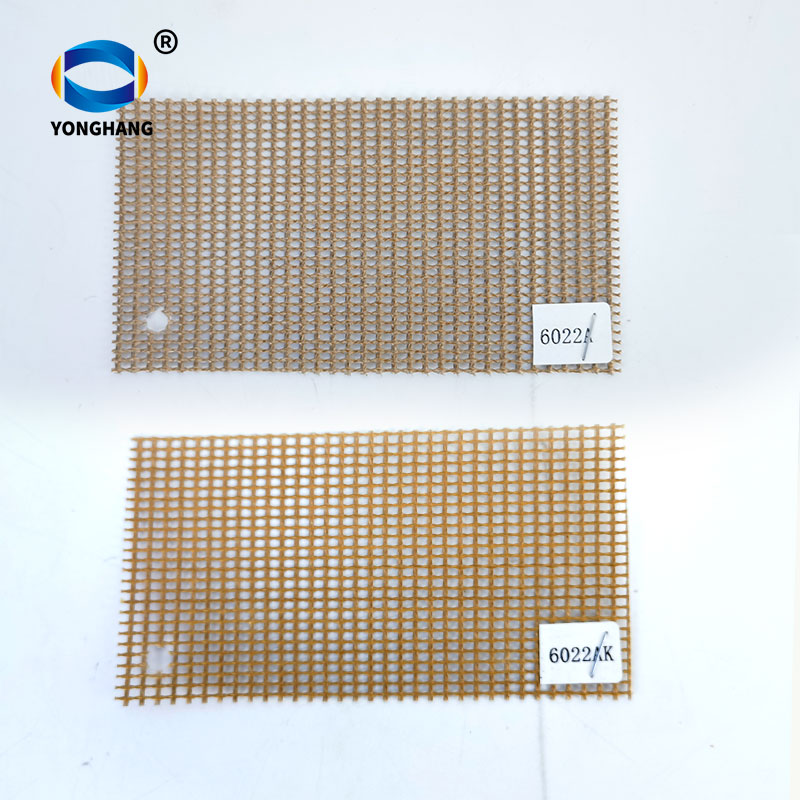
| 6022A | brown | 2*2mm | Fiberglass | 780±5g/m² | 4400mm | 3500/3100N/5cm | -140℃~+360℃ | |
| 6022AK | brown | 2*2mm | Kevlar+Fiberglass | 510±5g/m² | 4400mm | 4800/3100N/5cm | -140℃~+360℃ | |
| 6066A | maize-yellow | 2*2mm | Fiberglass | 890±5g/m² | 4400mm | 3700/3600N/5cm | -140℃~+360℃ | |
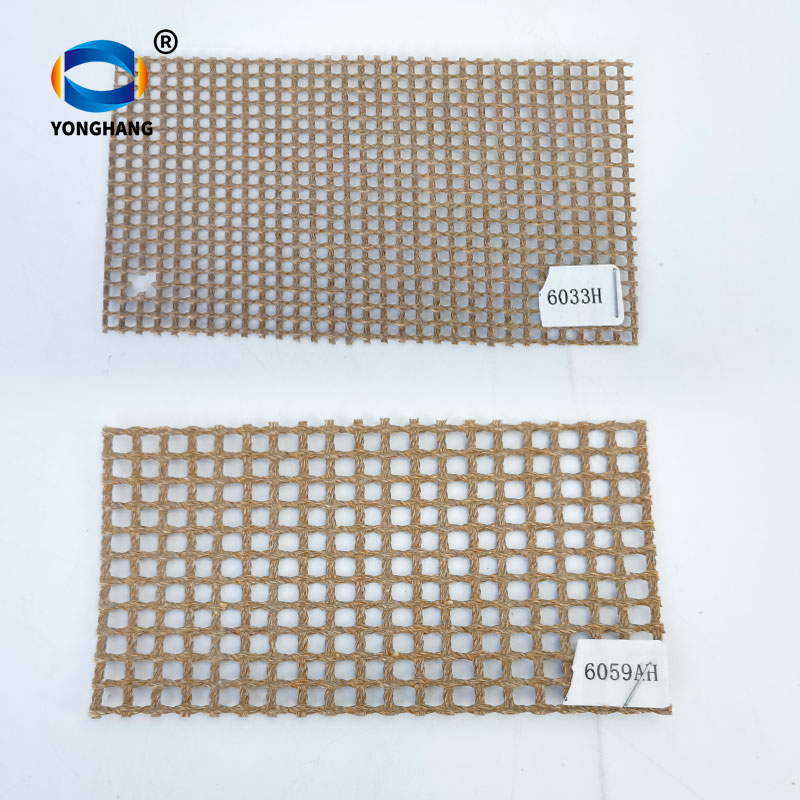
| 6033H | brown | 3*3mm | Fiberglass | 800±5g/m² | 4400mm | 4100/3800N/5cm | -140℃~+360℃ | |
| 6009 | brown | 4*4mm | Fiberglass | 500±5g/m² | 4400mm | 3400/1800N/5cm | -140℃~+360℃ | |
| 6009A | brown | 4*4mm | Fiberglass | 610±5g/m² | 4400mm | 3400/2750N/5cm | -140℃~+360℃ | |
| 6009B | black | 4*4mm | Fiberglass | 610±5g/m² | 4400mm | 2200/1800N/5cm | -140℃~+360℃ | |
| 6009H | brown | 4*4mm | Fiberglass | 780±5g/m² | 4400mm | 3600/2750N/5cm | -140℃~+360℃ | |
| 6009AH | brown | 4*4mm | Fiberglass | 1080±5g/m² | 4400mm | 3800/3000N/5cm | -140℃~+360℃ | |
| 6059AH | brown | 5*5mm | Fiberglass | 1250±5g/m² | 4400mm | 5200/4500N/5cm | -140℃~+360℃ |
Operating temperature for short-term use: -140°C to +360°C; operating temperature for long-term use: -70°C to +260°C
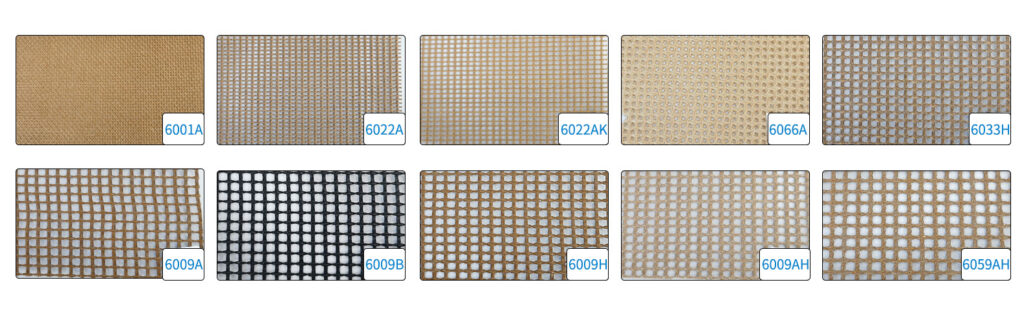
6001 Series PTFE Mesh Belts model picture
ptfe(Teflon) Features
Resistant to high and low temperatures -70℃-260℃. Weather resistant, anti-aging, long life cycle.
– Anti-adhesion, easy to clean.
– Resistant to all kinds of strong acid and alkali corrosion, chemical resistance, non-toxic.
– Dimensional stability, ductility coefficient less than 5 ‰, high strength, with good mechanical properties.
– Resistant to bending fatigue, can be used for smaller wheel diameter.
– Fire retardant, with permeability, reduce heat loss, improve drying efficiency.
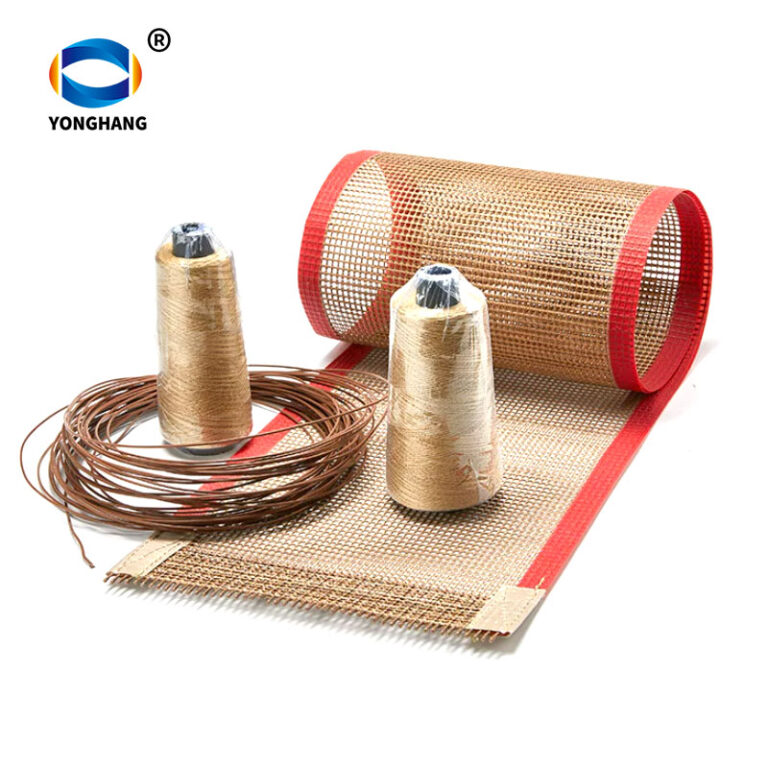
We also provide abundant edge reinforcement, guides and joints for PTFE Coated Fiberglass Open Mesh Belts to meet customers’ different applications.
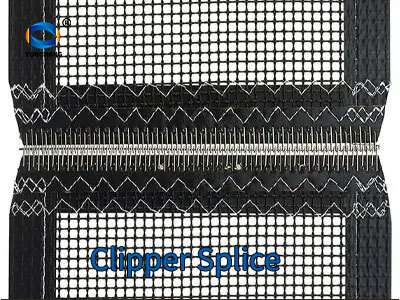
Belt Joints
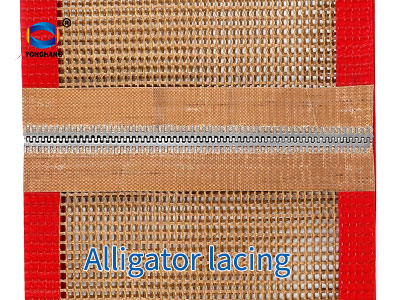
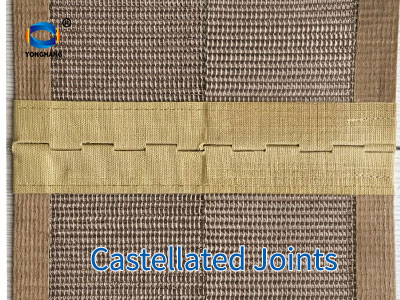
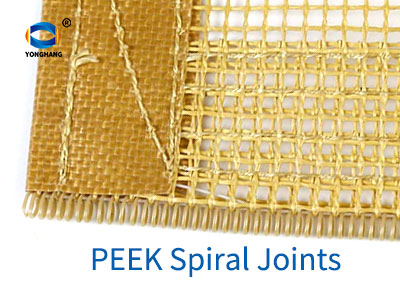
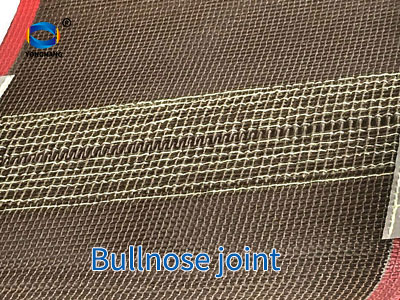
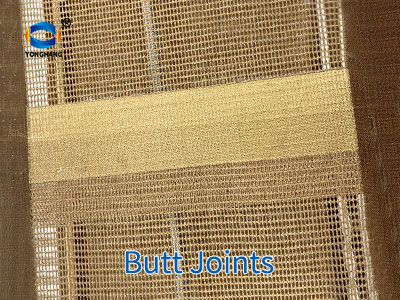
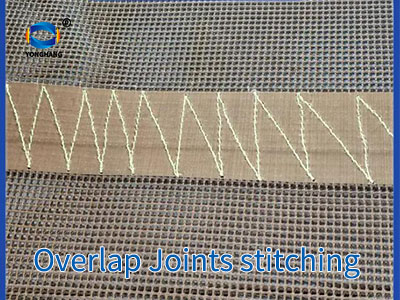
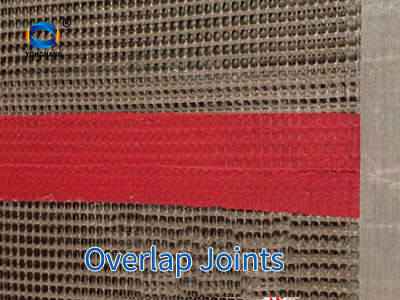
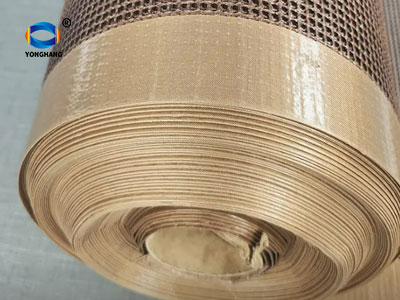
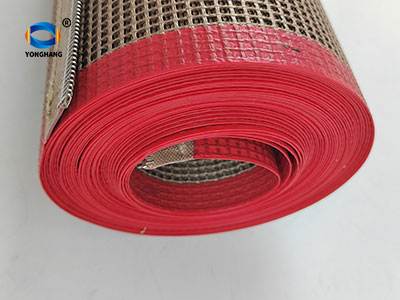
Edge Reinforcement
PTFE Belt Edges Reinforced with Teflon, Fiberglass and Kevlarteflon Foil
The edges of the conveyor belts can be edged or reinforced with various materials to prevent damage to the belt, cracking of the edges.
The edges can be made of different materials, in some cases the edges can be stitched.
Reinforcement of the belt edges with a welded PTFE fabric is necessary in the following cases.
- In heavier operation, when it is necessary to protect the edge of the belt or to increase the tensile strength.
- When using mesh fabric for transport purposes (drying belts).
- When using side guides and stud guides.
It is recommended to use double-sided edge reinforcement to achieve proper operation with large belt widths.
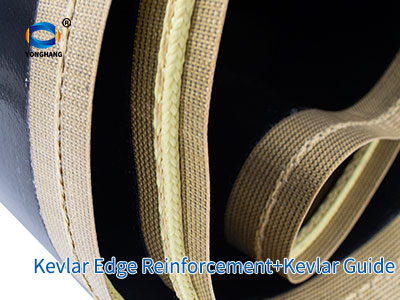
Belt Guiding
In some cases, it is necessary to ensure the longitudinal guide of the belts. There are several ways to provide that. Each of them has its advantages and limitations.
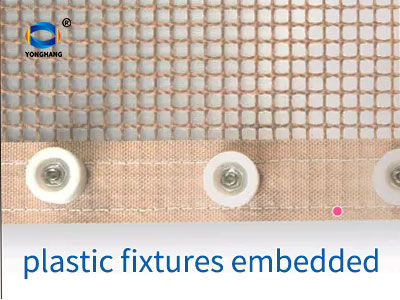
Tracking Eyelets or Studs
Eyelets or studs are metal or plastic fixtures embedded in the belt
They help maintain consistent belt tracking, especially in high-speed conveyor systems
Used in applications where minimal lateral movement is critical
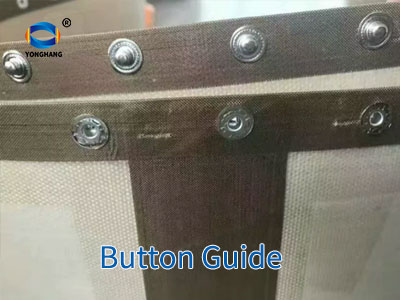
Button Guide
Button guides are small, evenly spaced protrusions on the belt surface
They interact with guiding grooves in the conveyor system to ensure accurate belt positioning
Ideal for applications requiring precise alignment
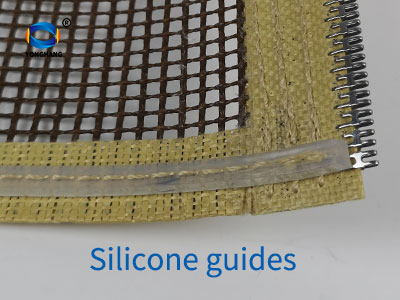
Silicone Guide
Silicone tracking cord provides flexibility and slip resistance
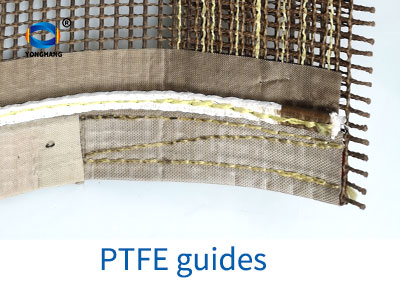
PTFE Tracking Cord
PTFE tracking cord offers extremely Low Friction Reduces wear, energy consumption, and stick-slip motion.
Wide Temperature Range Stable performance from -200°C to 260°C.
Chemical Inertness Resists virtually all acids, bases, and solvents.
Non-Stick Surface Prevents galling and seizure of metal components.
Flexibility at Low Temp Remains functional and non-brittle in cryogenic environments.
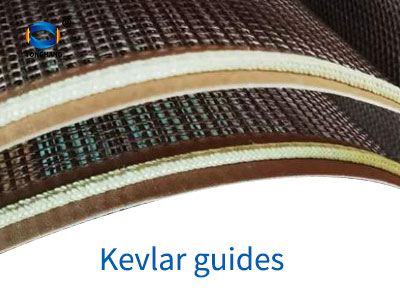
Kevlar Tracking Cord
Kevlar tracking cord offers high strength and resistance to wear
These cords are embedded in the belt’s surface to guide and stabilize tracking, reducing the risk of belt deviation