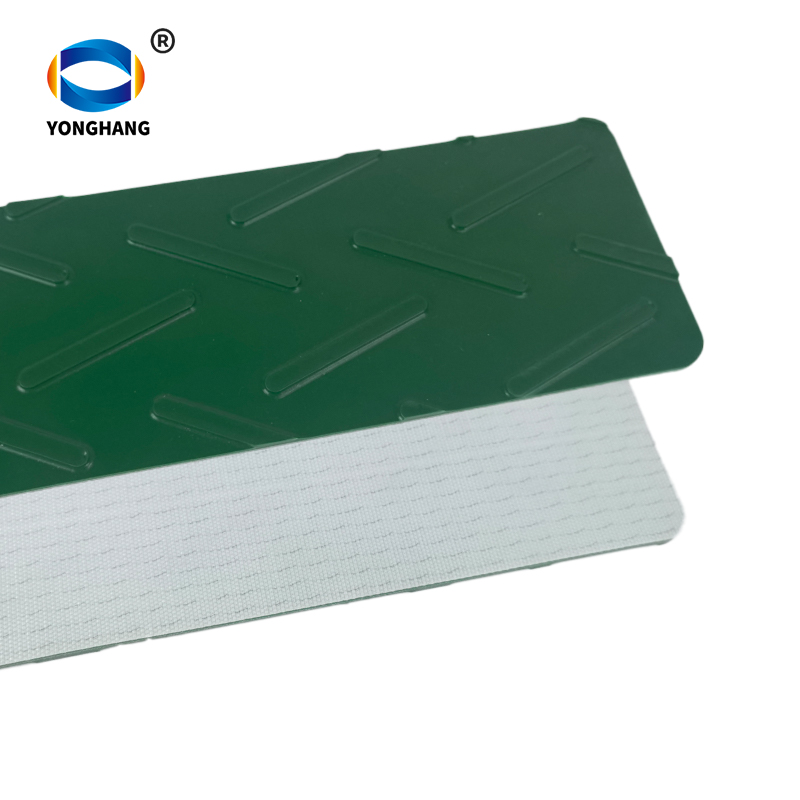
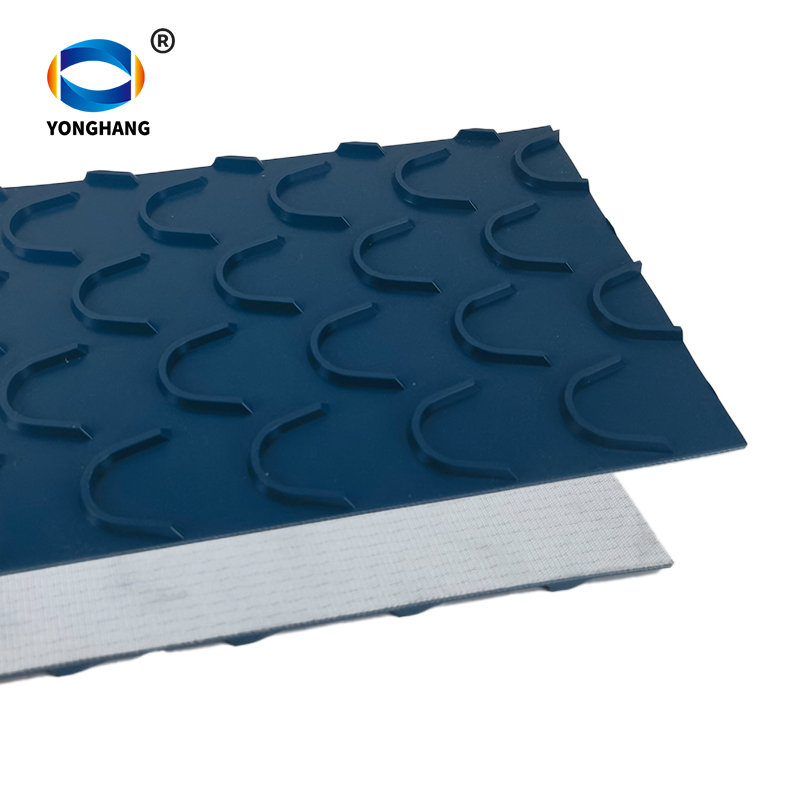
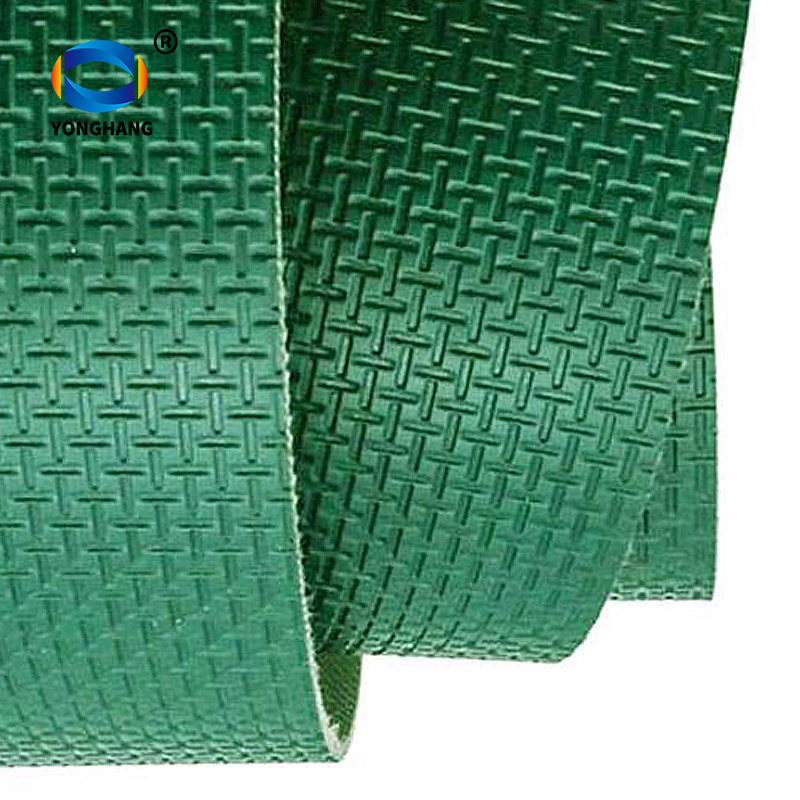
conveyor belt with inlay magnetic
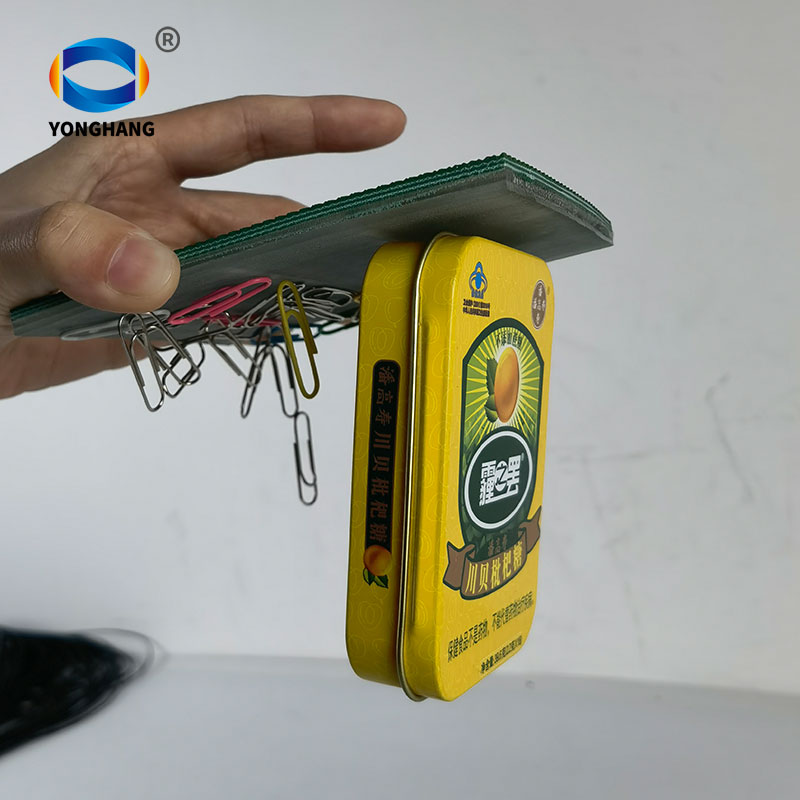
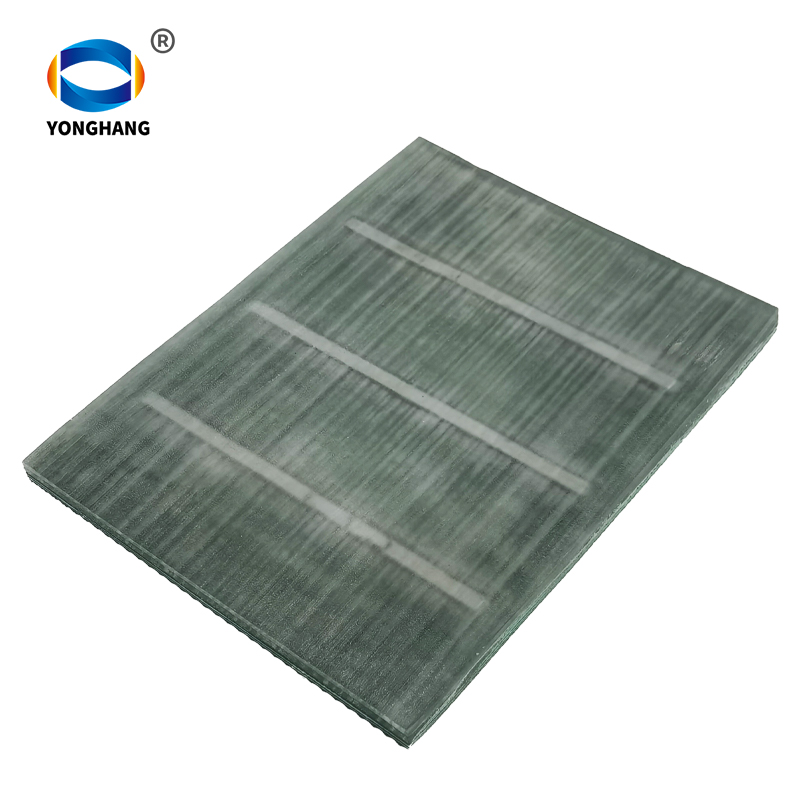
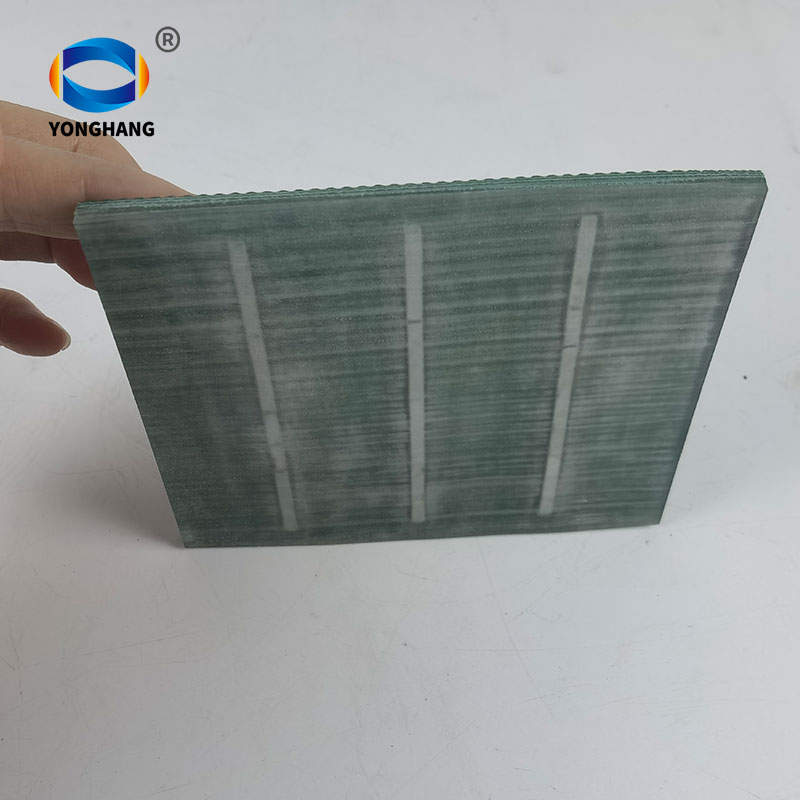
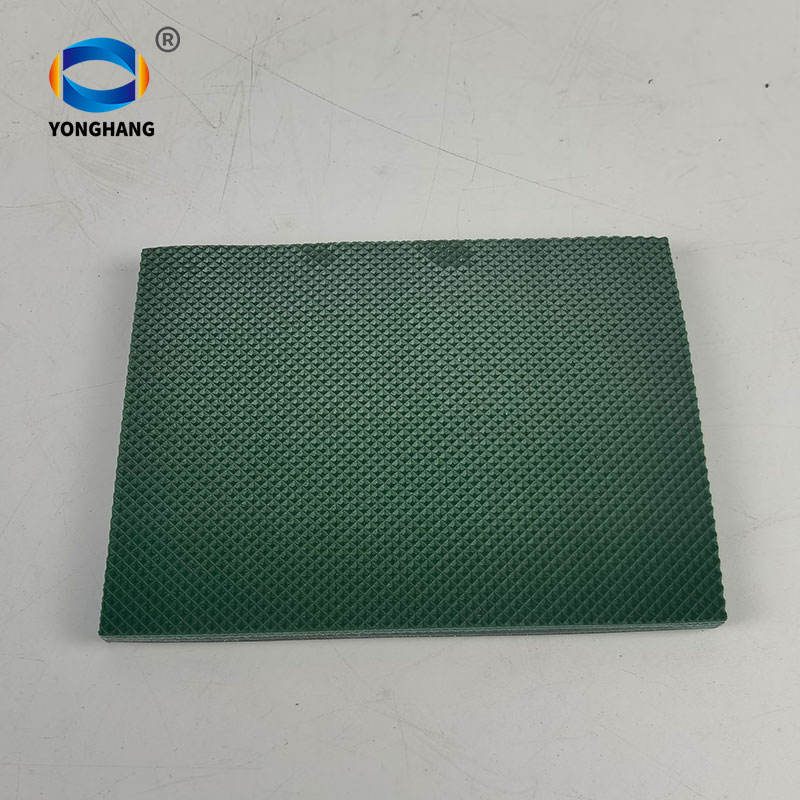
Conveyor Belt with Inlay Magnetic technology is a specialized material handling solution where magnets are embedded or integrated directly within the belt structure. This design allows the belt to provide a consistent magnetic force across its surface to hold, stabilize, or separate ferrous metal objects during transit. Technical Specifications Base Material PU (Polyurethane), PVC, or…
Conveyor Belt with Inlay Magnetic technology is a specialized material handling solution where magnets are embedded or integrated directly within the belt structure. This design allows the belt to provide a consistent magnetic force across its surface to hold, stabilize, or separate ferrous metal objects during transit.
Technical Specifications
| Base Material | PU (Polyurethane), PVC, or Rubber. |
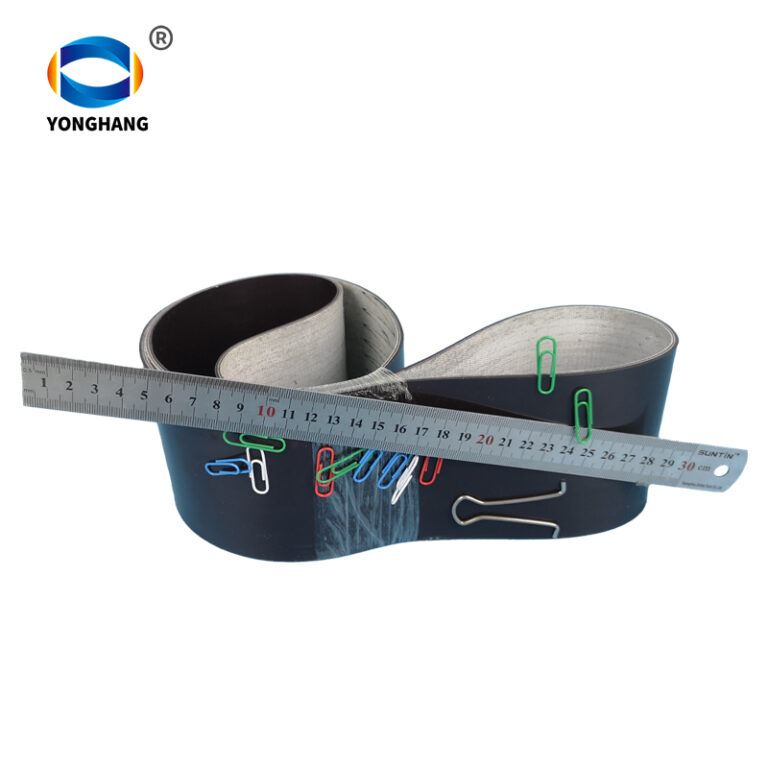
| Thickness | 3mm-10mm(customization) |
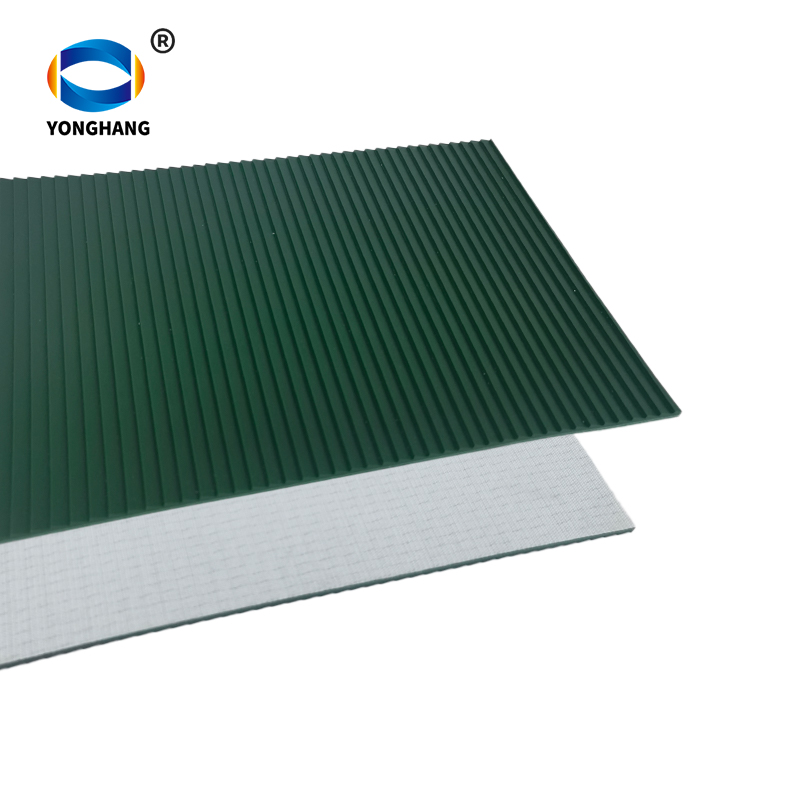
| Surface | lozenge effect |
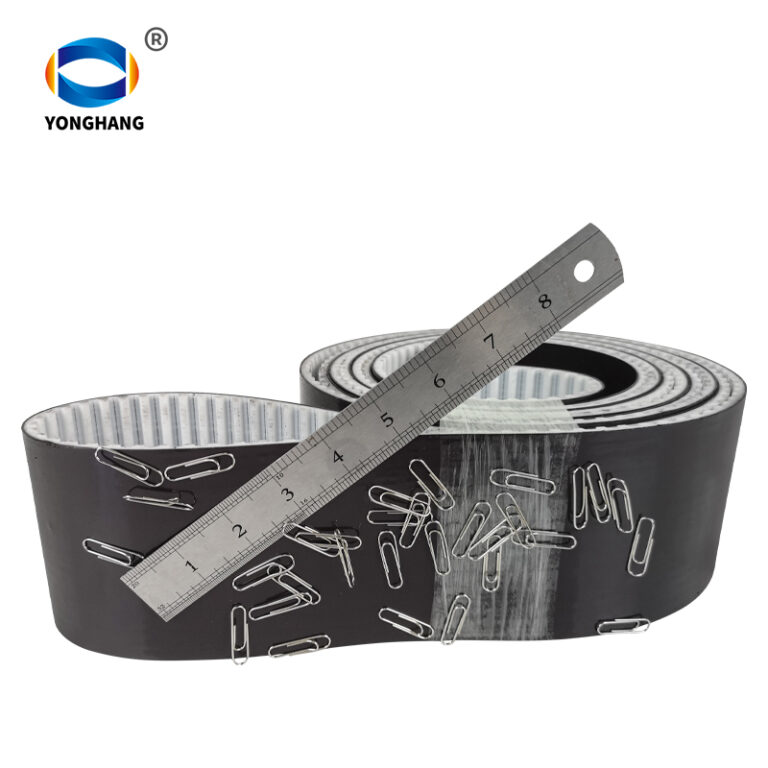
| coating | PU(Embedded magnetic strip) |
| Magnet Type | Neodymium (for high pull force) or Ferrite (for cost-effectiveness). |
| Magnetic Pattern | Full surface coverage, centered strips, or specific pitch-matched inlays. |
| Temperature Range | -20-+80℃ |
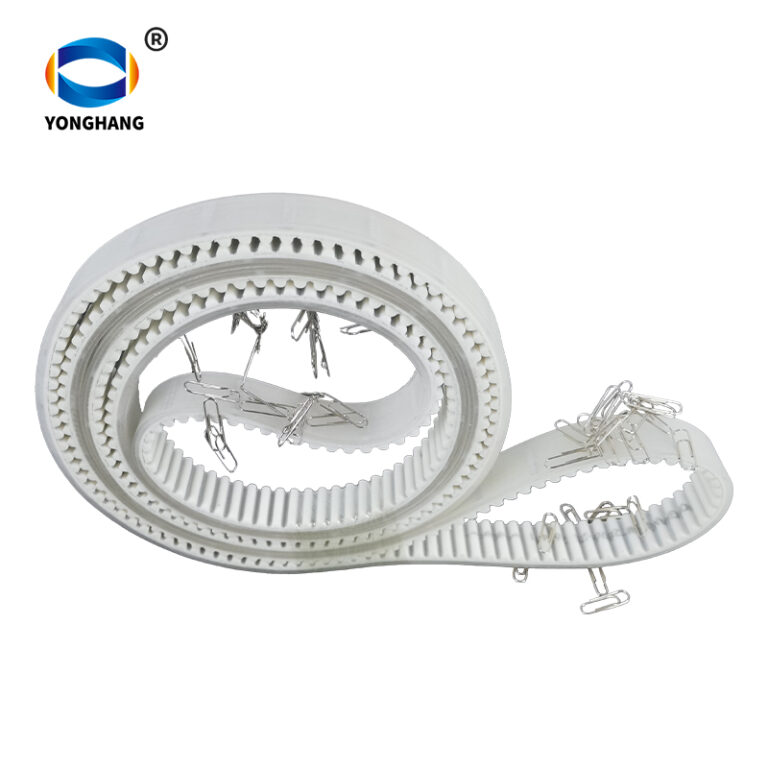
| Belt Profiles | Available in PU timing belts, or flat conveyor belts |
Features & Construction
- Integrated Magnetic Inserts: High-strength permanent magnets (such as Neodymium or Ferrite) are inlaid within the belt’s carcass or beneath the top cover.
- Surface Protection: The magnetic inlay is typically covered by a durable layer of PU, PVC, or rubber, protecting the magnets from impact, moisture, and corrosion.
- Synchronous or Flat Design: This technology can be applied to both timing belts (for precise indexing) and standard flat conveyor belts.
- Reinforcement: The belts often feature steel or Kevlar cords to handle the added weight and tension of the magnetic system.
Advantages
- Secure Vertical Conveying: Allows ferrous parts to be transported at steep inclines or even vertically (90°) without slipping.
- Precision Indexing: In timing belt applications, the magnetic force ensures that small metal parts stay perfectly aligned with the belt’s teeth for robotic pick-and-place.
- Stabilization: Prevents lightweight metal parts (like jar lids or small stampings) from shifting or tumbling due to high-speed vibrations.
- Upside-Down Transport: Magnetic belts can hold parts on the underside of the conveyor, enabling complex “suspension” transport lines.
Product video
Applications
- Automotive Stamping: Transporting small metal stampings, washers, and fasteners through oily environments.
- Canning and Bottling: Moving metal lids, caps, or tin cans through high-speed filling and capping stations.
- Electronics Manufacturing: Securely handling small ferrous components or shielded casings during assembly.
- Metal Sorting & Recycling: Pulling small ferrous debris out of a material stream or organizing parts for secondary processing.