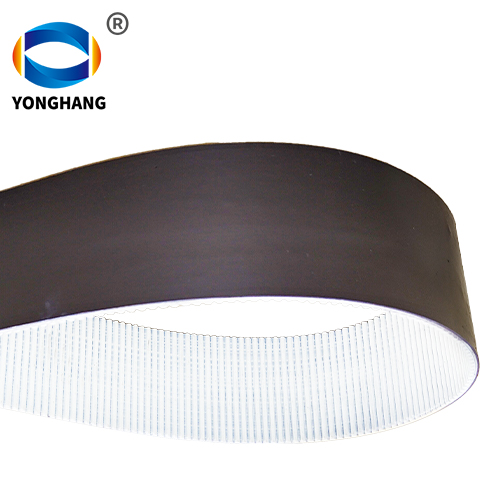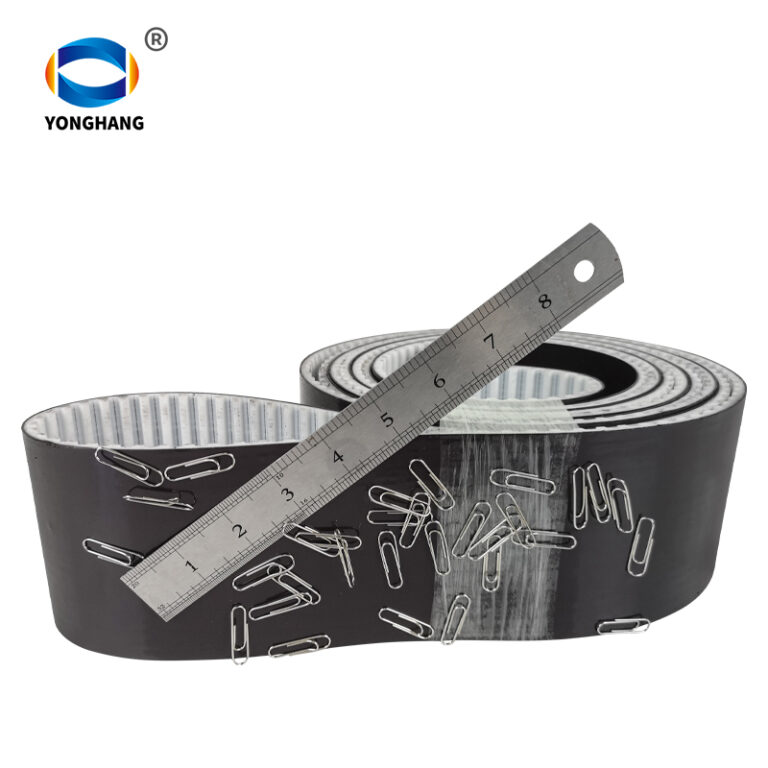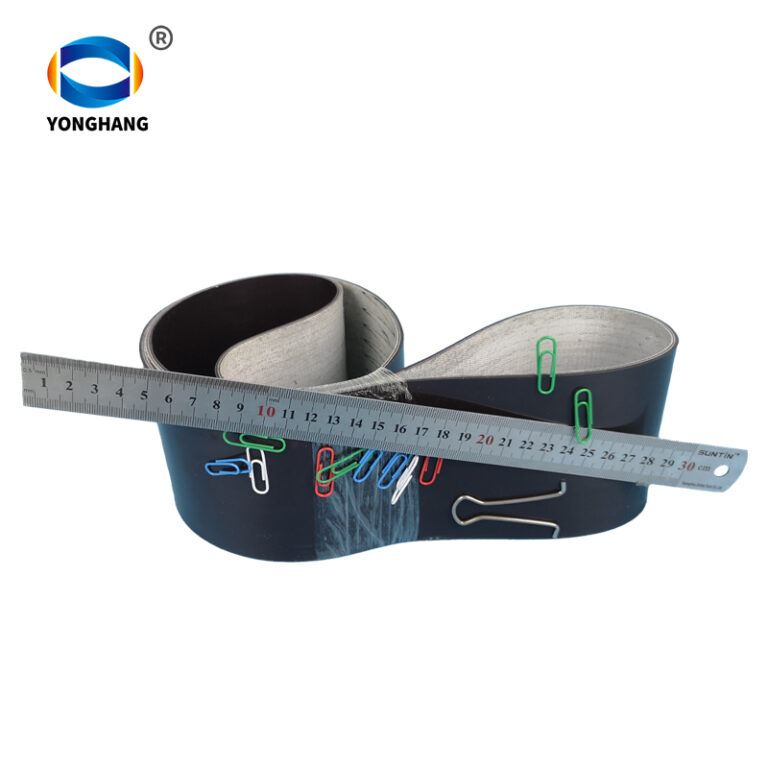
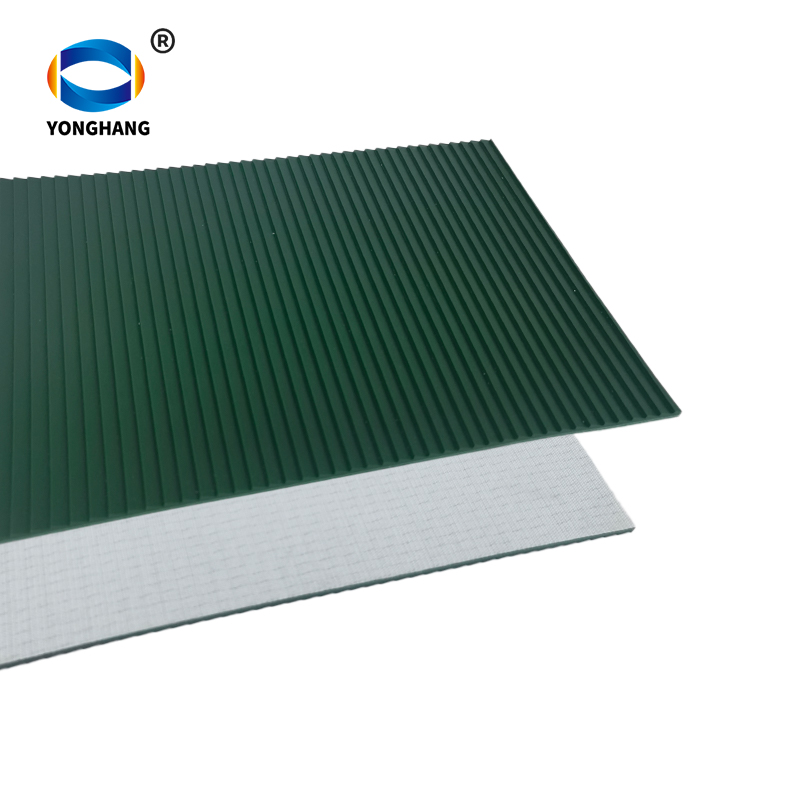
Pu timing belt with inlay magnetic stripe
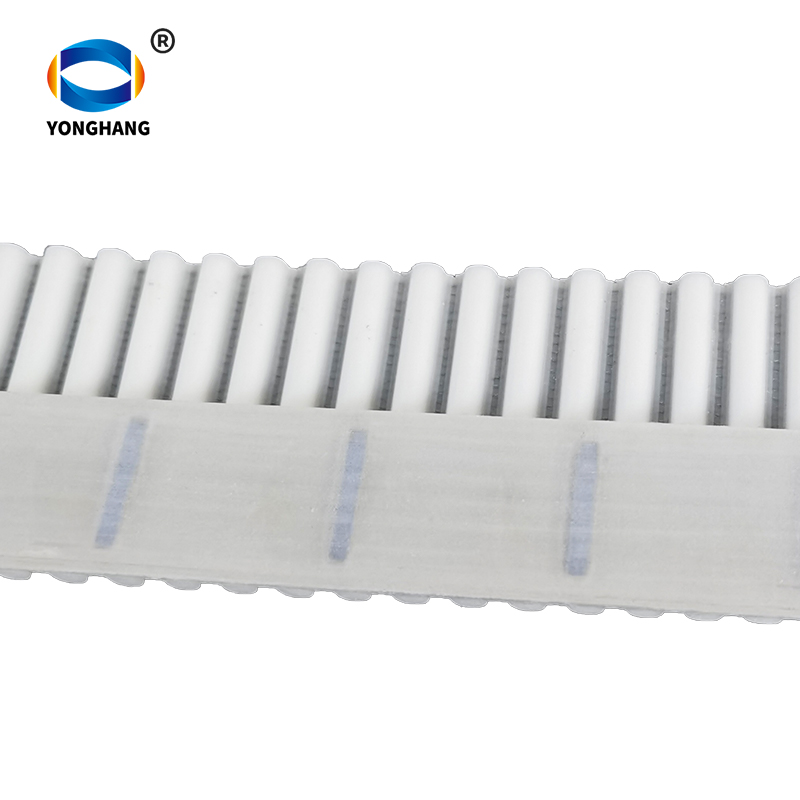
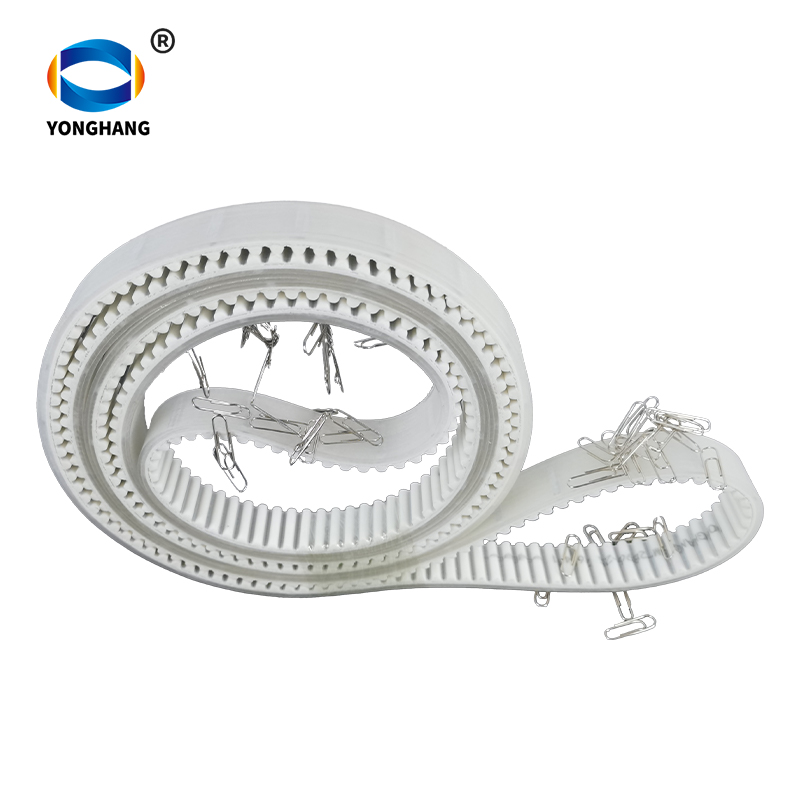
Pu timing belt with inlay magnetic stripe: Featuring magnetic strips embedded within the belt teeth or a reinforced surface coating, these belts provide uniform attraction for conveying ferrous objects. They are a standard solution for high-efficiency smelting and sorting operations.” Design and Construction Advantages Applications Product video
Pu timing belt with inlay magnetic stripe: Featuring magnetic strips embedded within the belt teeth or a reinforced surface coating, these belts provide uniform attraction for conveying ferrous objects. They are a standard solution for high-efficiency smelting and sorting operations.”
Design and Construction
- Embedded Magnetic Strips: The magnetic strips are strategically embedded either directly within the teeth of the timing belt or within a thickened coating on its outer surface.
- Base Material: These belts are typically made from thermoplastic polyurethane (PU), which offers excellent resistance to oil, grease, and wear.
- Reinforcement: High-tensile steel or Kevlar cords are used to ensure the belt maintains its structural integrity and precision despite the added weight of the magnetic components.
Advantages
- Uniform Attraction: The embedded magnets allow the belt to uniformly attract and hold ferrous (iron-containing) objects firmly in place during transit.
- Vertical and Incline Conveying: Because of the magnetic pull, these belts can transport metal parts at steep inclines or even vertically without the items slipping.
- Precision Indexing: By combining magnetic attraction with timing belt teeth, the system ensures that metal parts remain perfectly aligned with the belt’s pitch for high-speed automated processes.
Applications
- Smelting and Sorting: These belts are widely utilized in smelting operations and automated sorting production lines to organize or move metal components efficiently.
- Automotive and Metalworking: Ideal for conveying small metal stampings, fasteners, or lids through high-speed assembly lines.
- Packaging: Used in canning and bottling lines to stabilize metal caps or lids during the filling and sealing process.