PU ATN timing belts
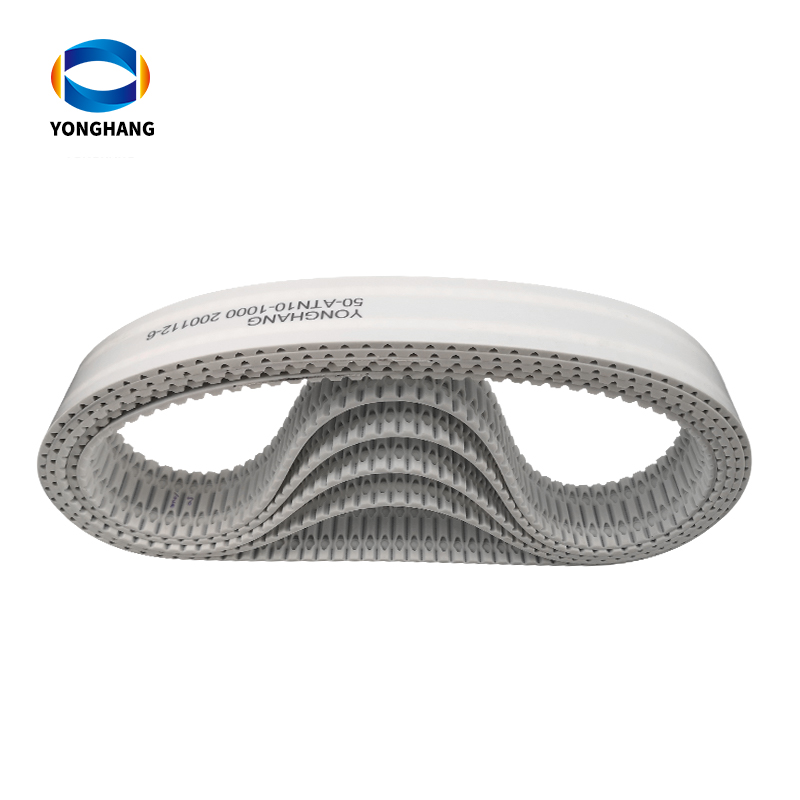
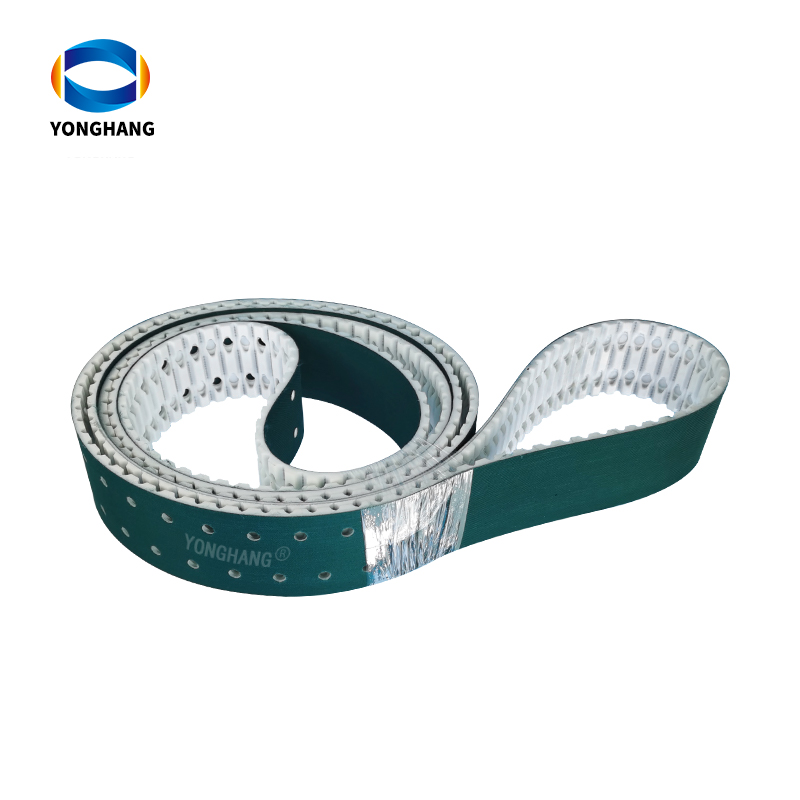
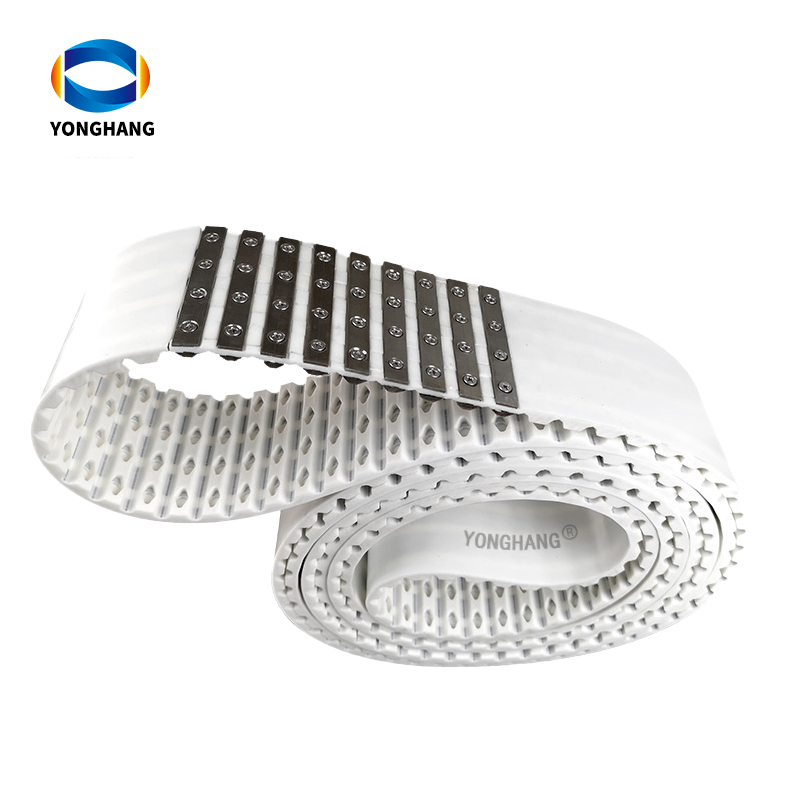
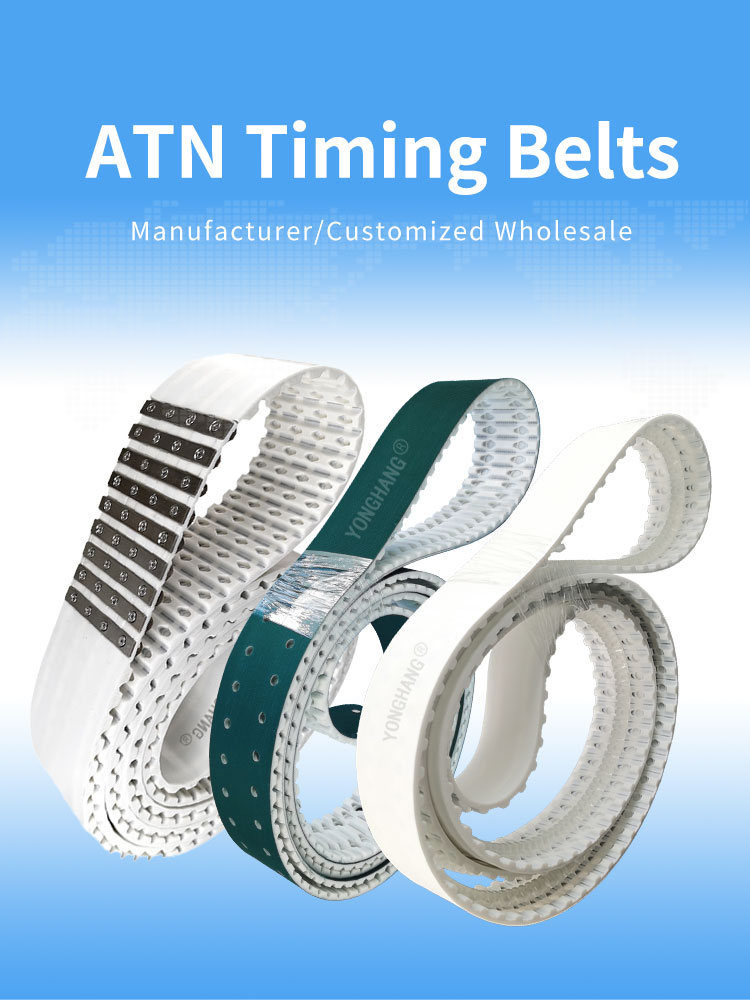
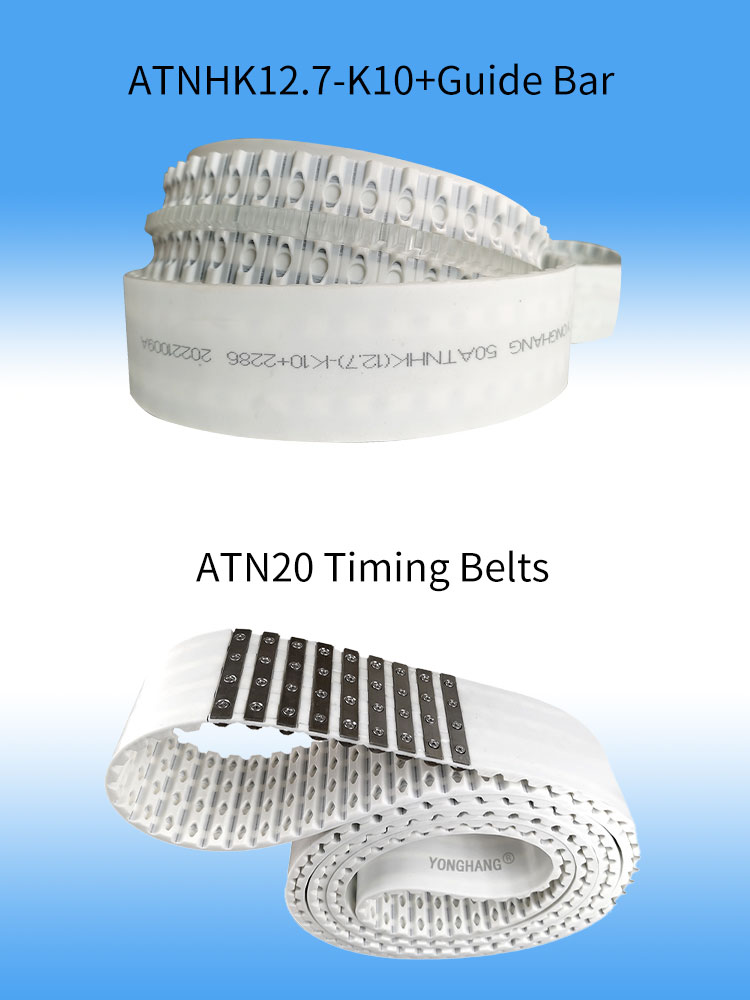
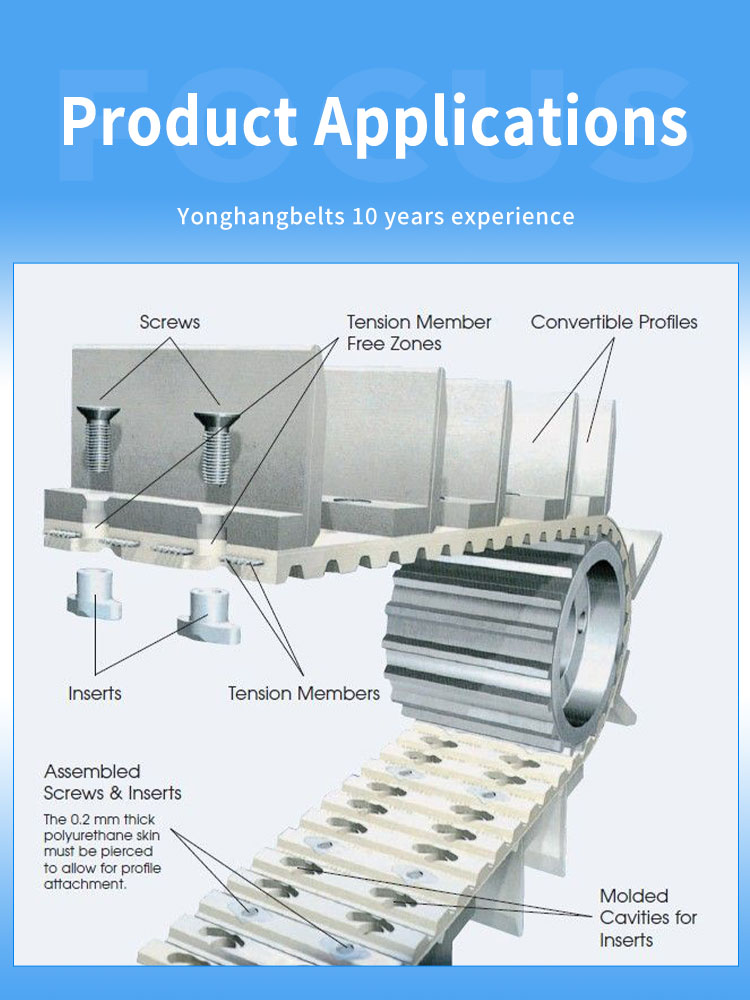
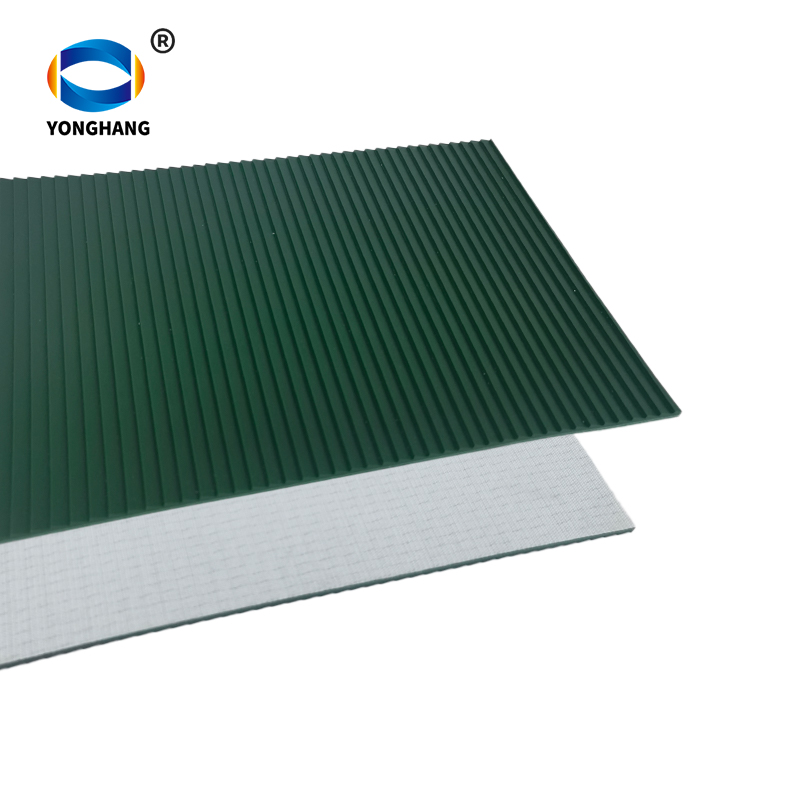
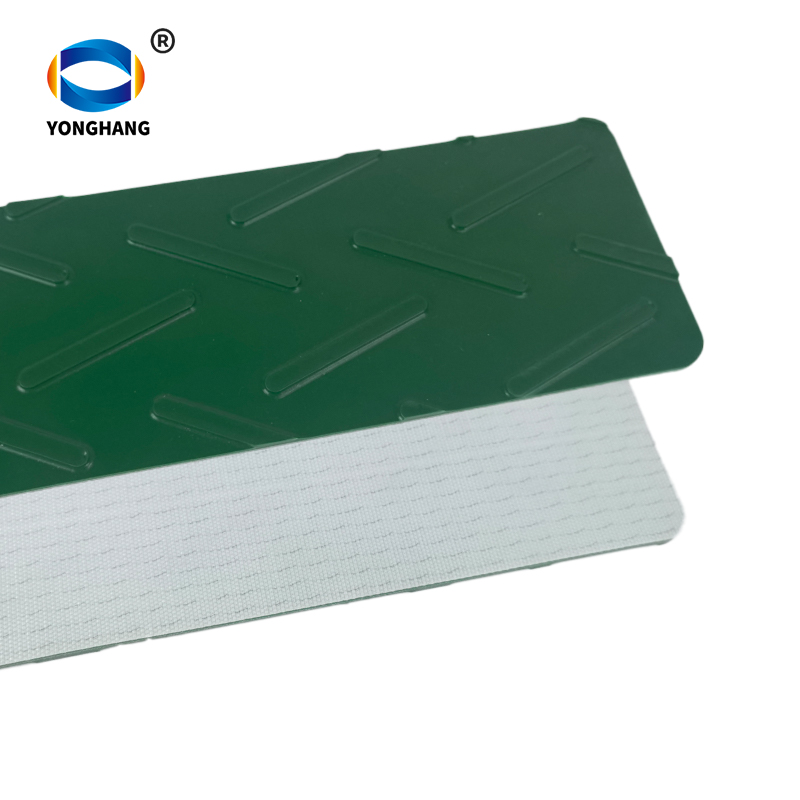
PU ATN Timing Belts represent a specialized category of polyurethane timing belts designed for modular automation. The defining feature of an ATN system is the ability to mechanically attach profiles, cleats, or jigs to the belt back using replaceable inserts, without the need for chemical bonding or welding. This “mechanical fastening” system makes the ATN…
PU ATN Timing Belts represent a specialized category of polyurethane timing belts designed for modular automation. The defining feature of an ATN system is the ability to mechanically attach profiles, cleats, or jigs to the belt back using replaceable inserts, without the need for chemical bonding or welding.
This “mechanical fastening” system makes the ATN profile the go-to choice for flexible conveying lines that require frequent reconfiguration.
Design Features
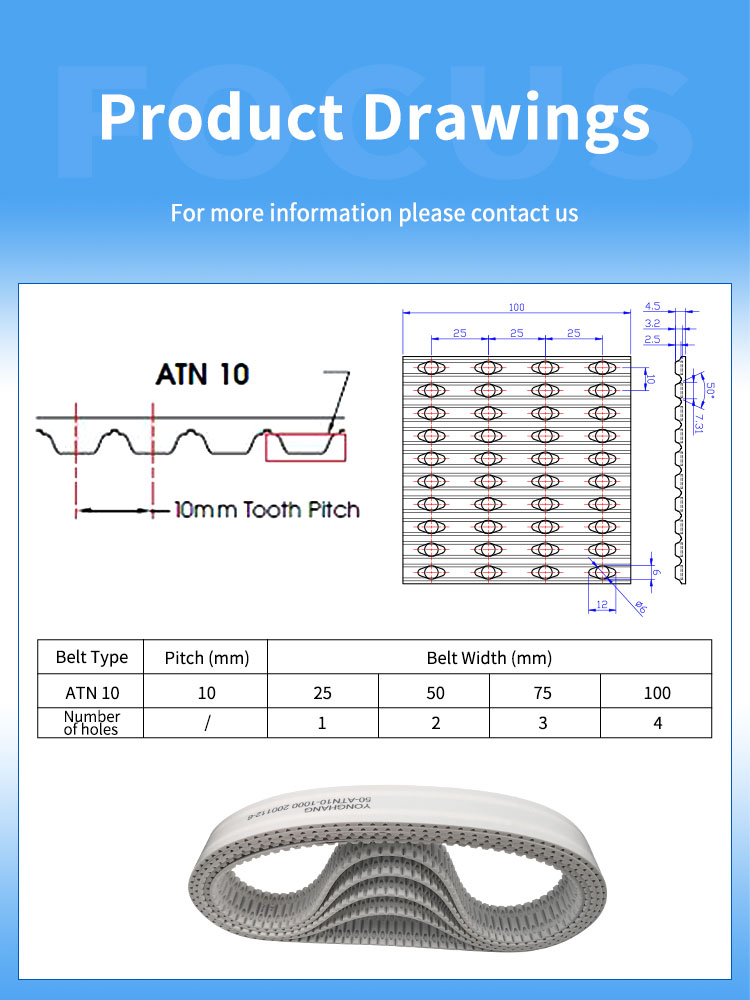
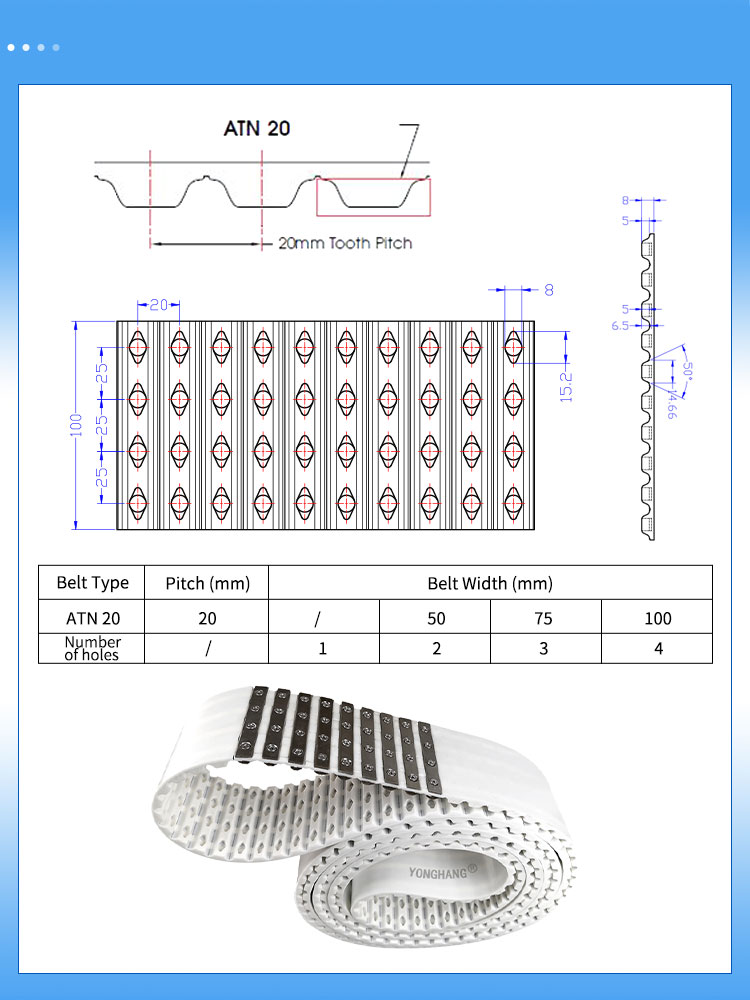
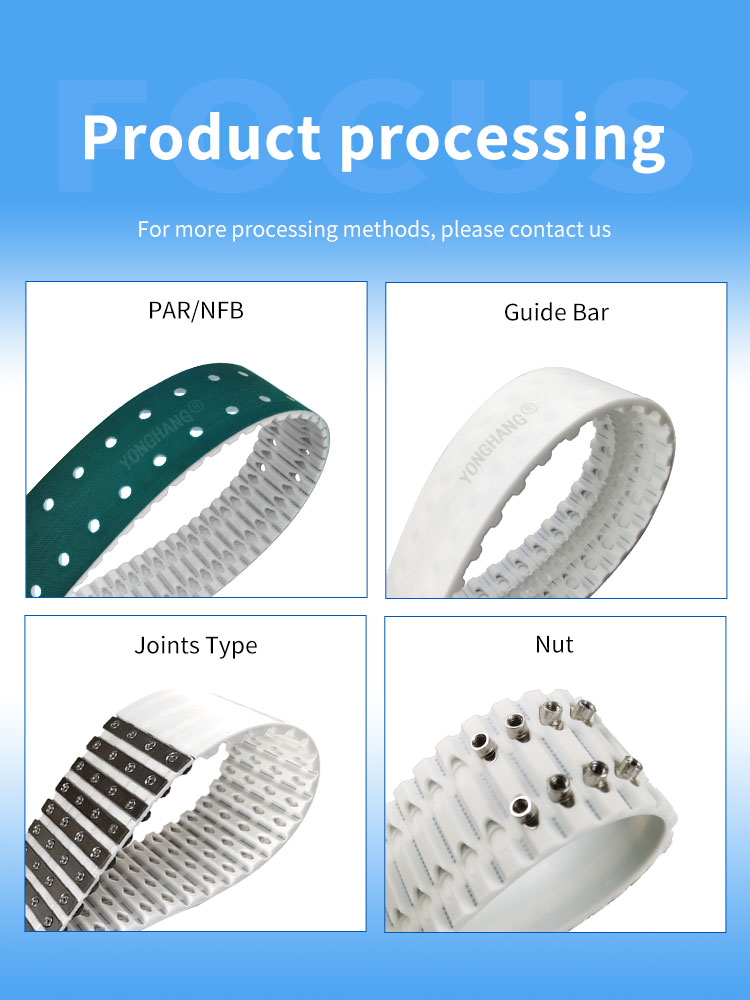
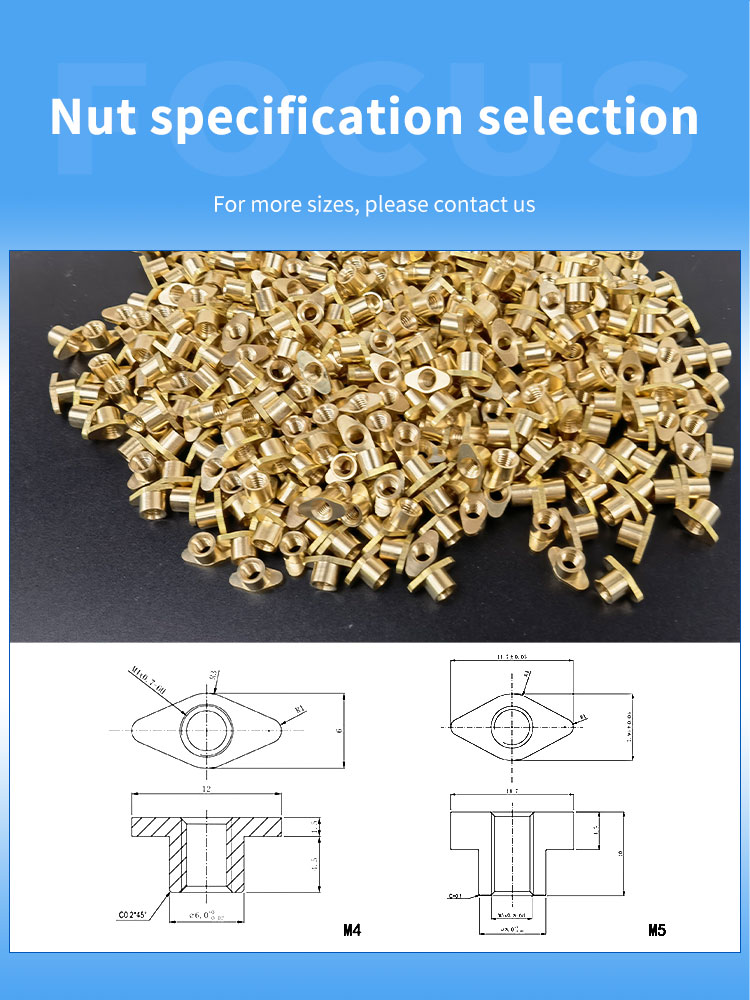
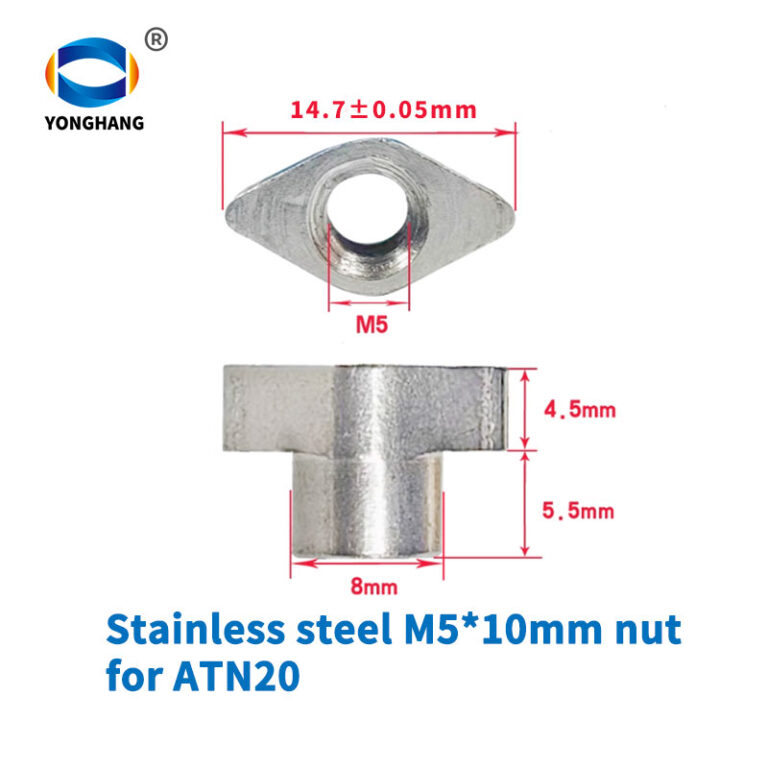
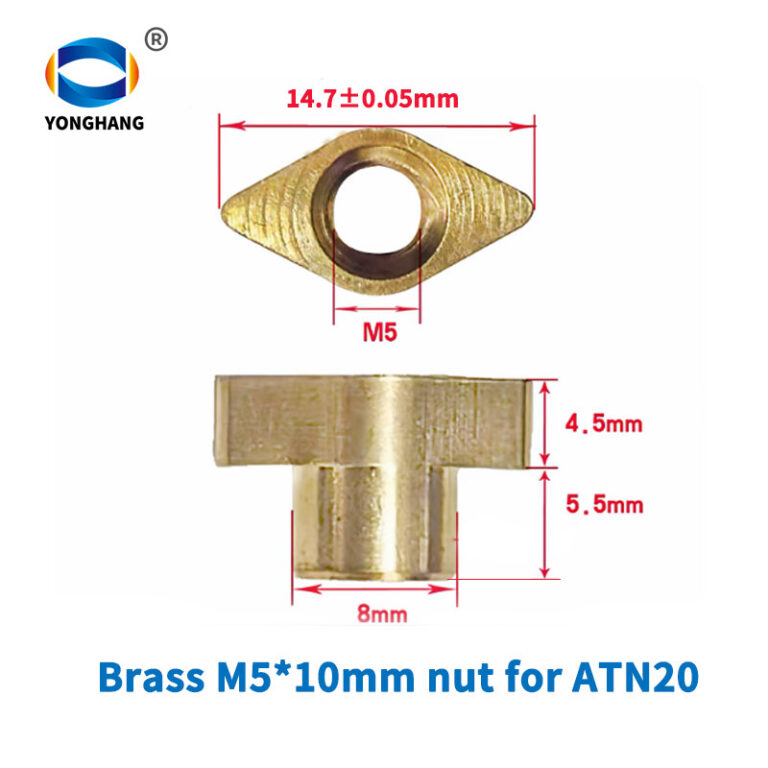
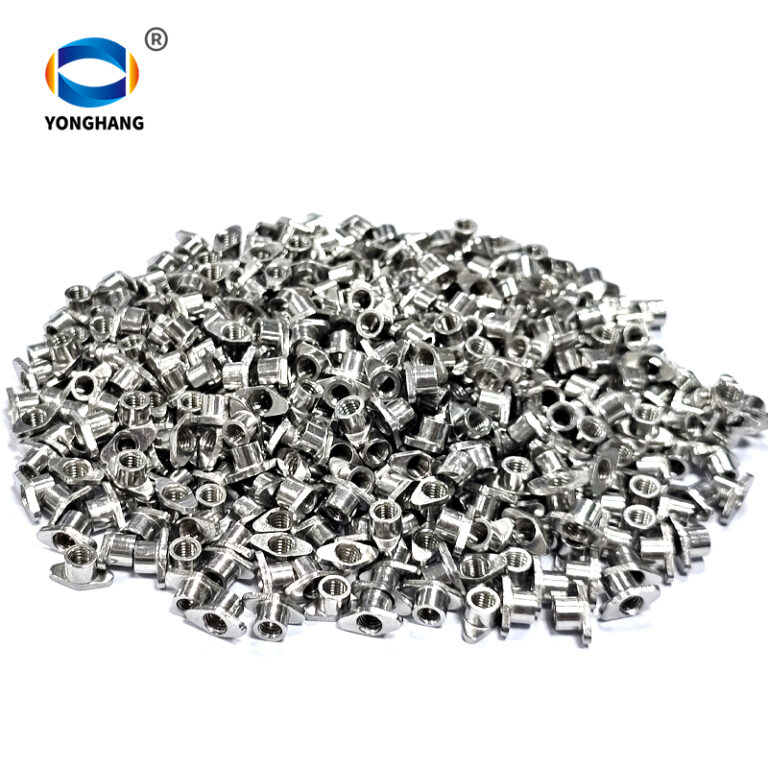
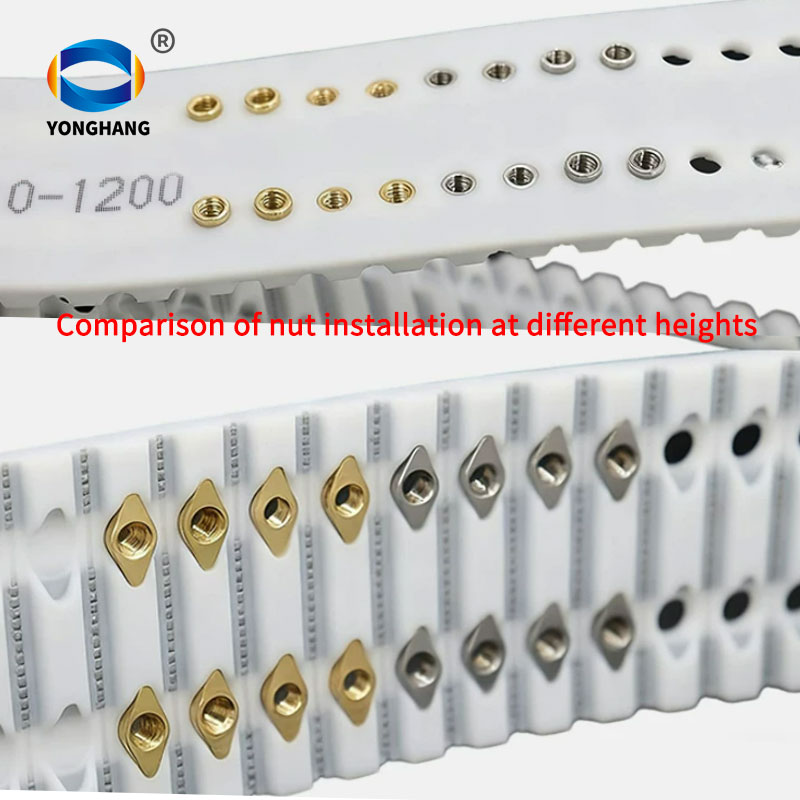
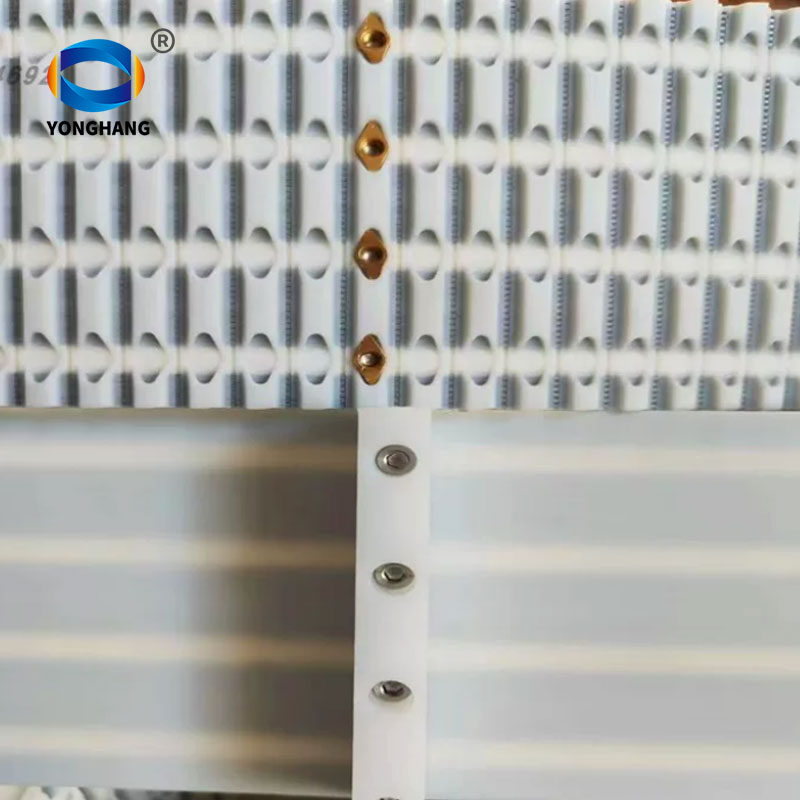
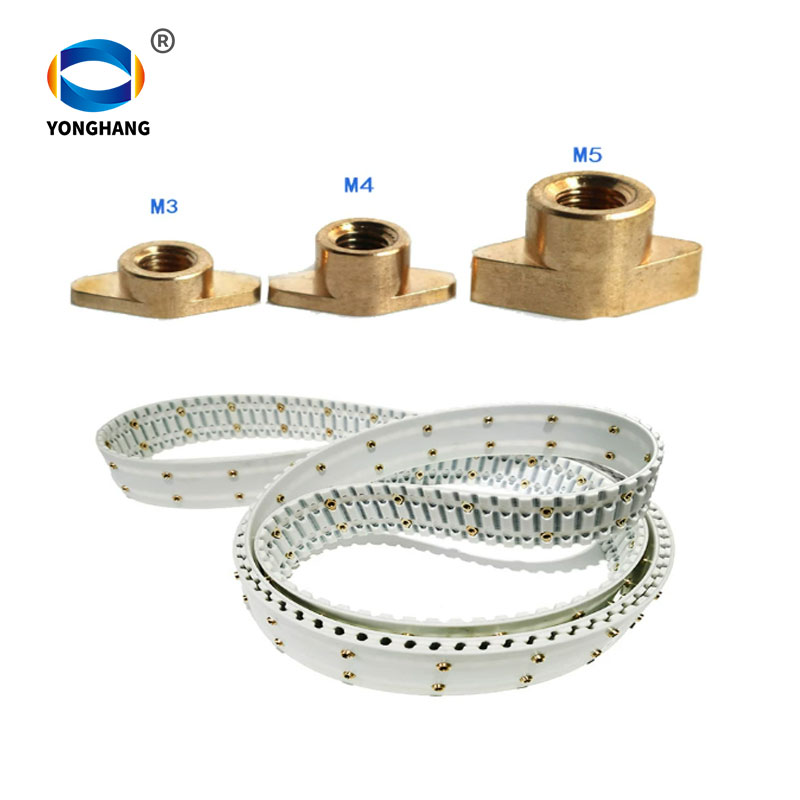
- Insert Pockets: Each tooth of an ATN belt is designed with a high-precision cavity or “pocket.” This space allows for the insertion of various fastening elements, such as M5 stainless steel or brass nuts.
- Connecting Fasteners: Profiles are secured to the belt by screwing directly into these inserts. This creates a “hard lock” that is significantly stronger than a welded cleat.
- Material: Made from high-grade thermoplastic polyurethane (typically 92 Shore A) with high-strength steel or Aramid tensile cords.
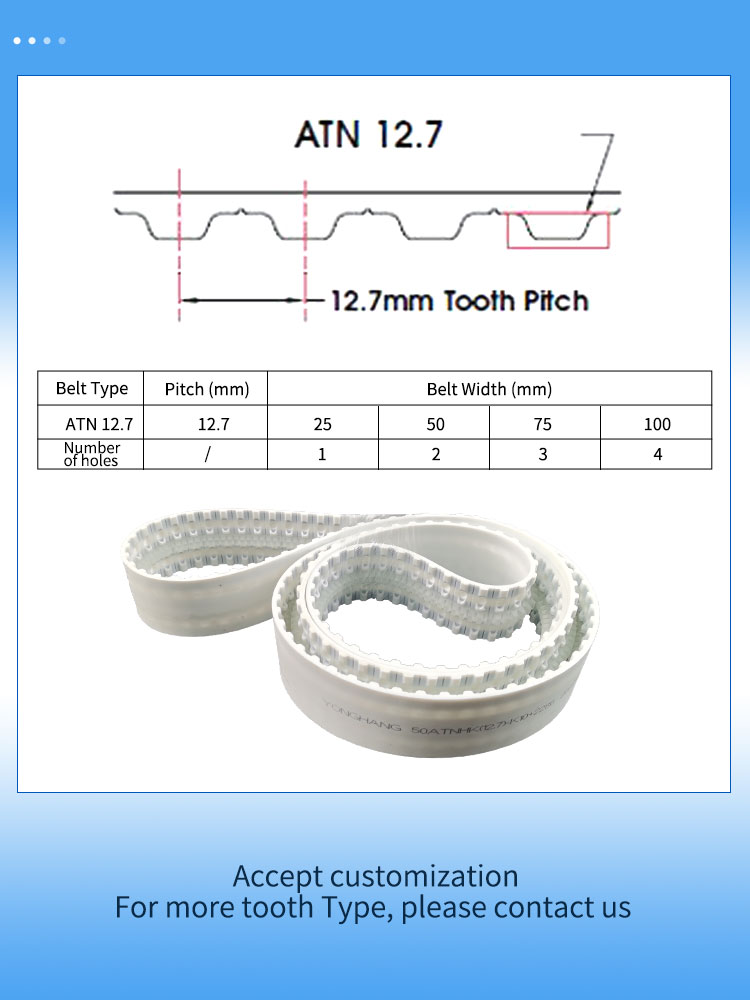
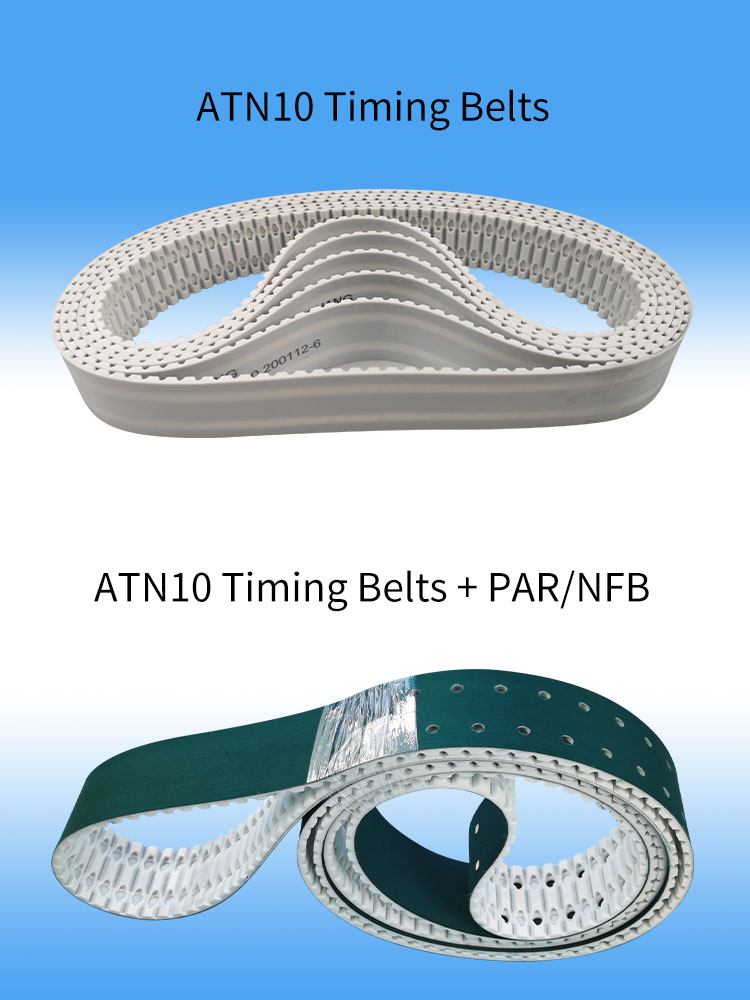
- Standard Pitches: Most commonly available in ATN10 (10mm pitch) and ATN20 (20mm pitch) to accommodate the physical size of the internal nuts.In addition, there is TAN12.7 (12.7mm pitch)
Advantages of the ATN System
- A. Unrivaled Flexibility (Modular Design)
- Because the cleats are screwed on rather than welded, they can be added, removed, or repositioned at any time. This allows a single belt to be adapted for different product sizes or packaging requirements.
- B. Superior Mechanical Strength
- Welded cleats can snap off under high shear force. ATN attachments are mechanically fastened through the belt’s structure, making them capable of handling much higher loads and impact forces during high-speed sorting.
- C. Precision Positioning
- The inserts are located directly within the belt teeth. When the belt engages with the pulley, the attachment remains perfectly synchronized with the drive system, ensuring sub-millimeter accuracy in indexing applications.
- D. Ease of Maintenance
- If a single cleat is damaged, you simply unscrew it and replace it. With a welded system, a single broken cleat often requires replacing the entire belt.
3. Comparison of Insert Materials
When configuring your PU ATN belt, the choice of the internal nut is critical:
| Feature | Stainless Steel Inserts | Brass (Copper) Inserts |
| Durability | Extremely High (Industrial Grade) | Moderate |
| Torque Limit | High (Can be tightened firmly) | Lower (Threads can strip) |
| Corrosion | Best (Food grade/Washdown) | Good (Will patina/oxidize) |
| Best For | Heavy-duty sorting & high-load jigs | Light-duty packaging & anti-static needs |
4. Applications
- Packaging Machinery: For adjusting the spacing between products on a conveyor.
- Pharmaceutical Lines: Where frequent cleaning and stainless steel components are required.
- Automated Assembly: Using precision jigs to hold components in place while moving between workstations.
- Logistics & Sorting: High-speed systems that require robust, impact-resistant attachments.
Yonghang Technical Pro-Tip:
When installing profiles on an ATN belt, always ensure the screw length is correct. A screw that is too long can push through the bottom of the tooth and interfere with the pulley engagement, potentially damaging both the belt and the drive system.