Having worked in the paper and printing industry for many years, I’ve noticed that many people don’t pay much attention to small components like folder gluer belts until production issues arise, at which point they realize just how important they are. In fact, choosing the right folder gluer belts and using them properly can have a significant impact on production efficiency and product quality.
The core function of a folder glue machine is to fold and glue printed sheets of paper into boxes, and the conveyor belt is essential for ensuring continuous and precise paper feeding. If the belt slips, it can cause misalignment during paper feeding, resulting in boxes that are either crooked or poorly glued. Furthermore, if the belt becomes worn and sheds particles, it can contaminate the surface of the paper—especially in the case of high-end packaging prints, where even the slightest flaw can lead to an entire batch being scrapped.
There are three main types of belts for folder gluer machines on the market, each suited for different applications.
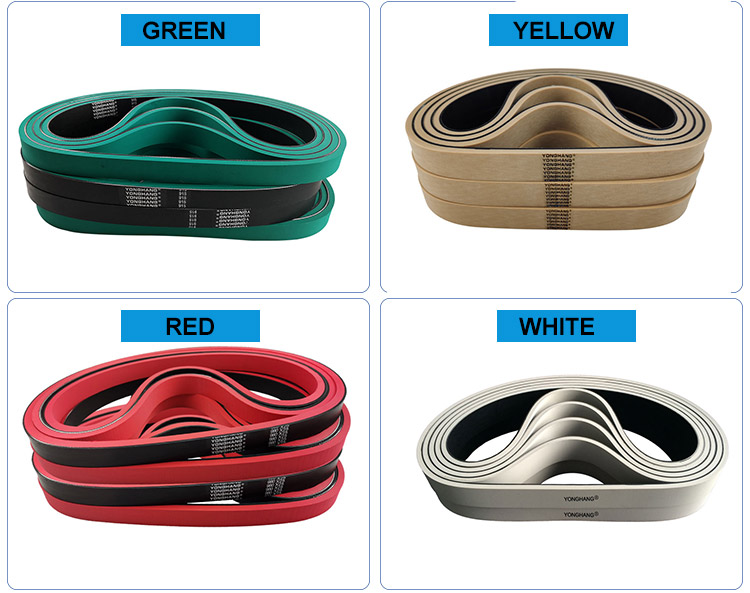
Flat paper-feeding belts
Flat paper-feeding belts are the most common type; the seamless, one-piece vulcanization process ensures excellent stability. I previously saw this type of belt in use at a food packaging factory. When conveying coated paper weighing less than 200g, there were virtually no instances of paper jams or misalignment. However, it is important to note that this belt is susceptible to damage from sharp objects. Once a tear occurs, delamination can easily begin at the tear site, so extra care must be taken during routine maintenance to ensure there are no foreign objects on the conveyor path.
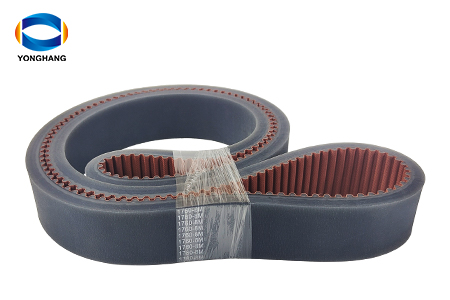
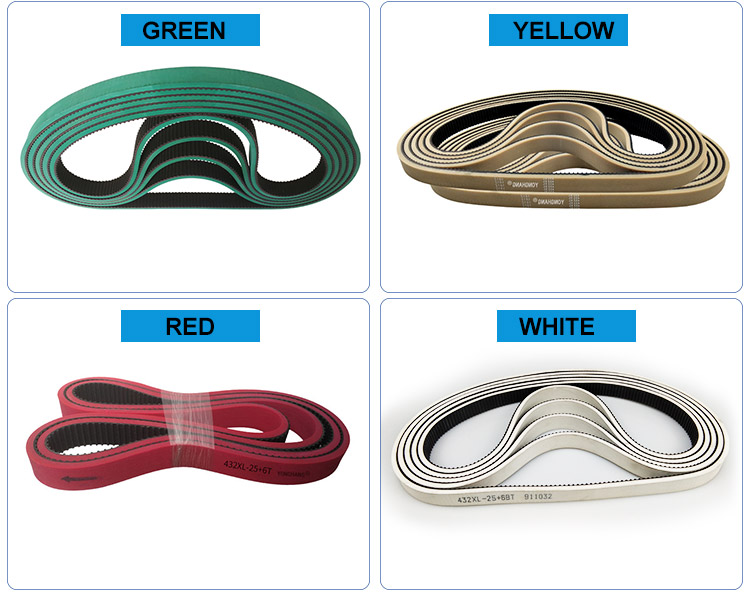
Paper-feeding timing belts
Paper feeding timing belts are better suited for applications that demand high precision. For example, in the printing of cigarette packs and cosmetic boxes—products that require precise alignment—the transmission accuracy of timing belts ensures that the positional error of the paper does not exceed 0.5 mm each time. However, they also have a drawback: they require strict tension control during installation. Insufficient tension can cause the belt to skip teeth, while excessive tension will shorten its service life. A colleague once tried to cut corners by not adjusting the tension according to the manual’s specifications. As a result, the belt broke in less than a month, causing a production delay of several days.
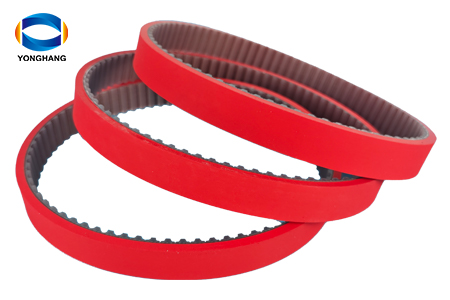
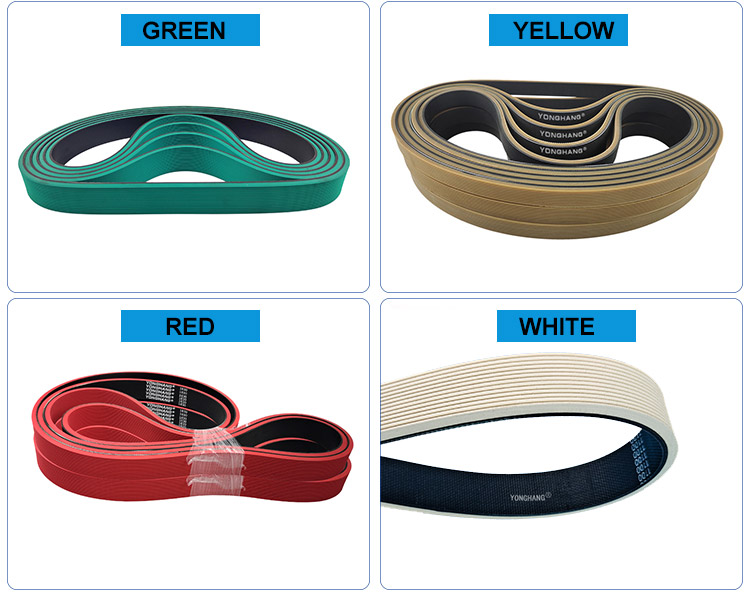
surface-grooved paper feed belt
The surface grooved paper feed belt is designed for smooth or thicker paper. Last year, I helped a gift box manufacturer solve a paper feeding problem. They were using 350g white cardstock with a laminated surface, which standard belts simply couldn’t grip—the paper kept slipping during high-speed operation. After switching to a paper feed belt with PH grooves, the friction increased significantly, and the problem was solved immediately. However, grooved belts require regular cleaning of paper debris from the grooves; otherwise, excessive buildup will affect the conveying performance.
material for folder gluer machine belts
In terms of material, neoprene is indeed the best option currently available in terms of overall performance—it is wear-resistant, temperature-resistant, and does not shed particles easily. However, some small manufacturers use recycled rubber to keep costs down. Although it costs half as much, its service life is only one-third that of genuine neoprene, and it tends to emit odors that can contaminate food-grade packaging paper, making it a case where the costs outweigh the benefits.
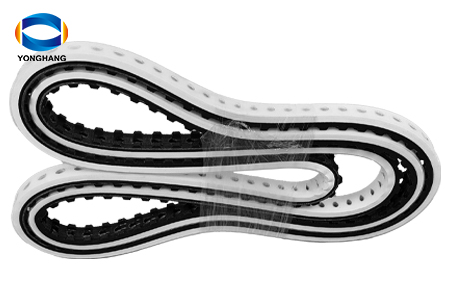
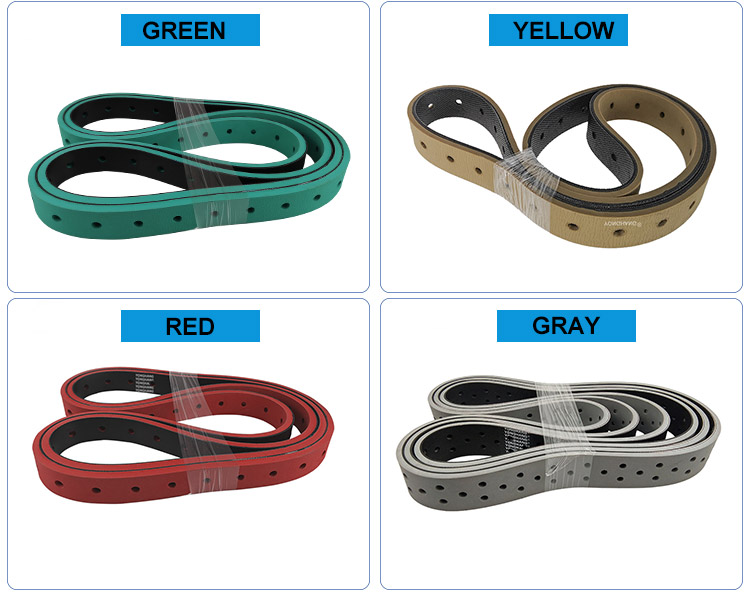
perforations folder gluer belts
Many people consider the perforations on folder gluer belts to be optional, but they actually play a significant role when conveying thin paper. I previously worked with a tea packaging company that used 60g thin cotton paper. Without perforated belts, the paper would constantly flutter during conveyance. After switching to perforated belts, the paper was securely held in place by a suction system, reducing the defect rate from 5% to less than 1%.
folder glue belts routine maintenance
There are a few details to keep in mind during daily use. The belt tension should be checked regularly. In the summer, when temperatures are high, the belt will expand, so it should be loosened slightly; in the winter, it should be tightened a bit. Additionally, when cleaning, simply wipe the belt with a neutral detergent; do not use alcohol or gasoline, as these can corrode the belt’s surface. Overall, although the folder glue belts is small, choosing the right model and maintaining it properly can save a lot of trouble in production. We recommend making a comprehensive selection based on your paper type, machine speed, and product precision requirements. If necessary, you can request samples from Yonghang Transmission Belts for testing, as the best choice is ultimately the one that suits your production line.
Author: Yonghang Product Department Manager:Aki
URL: https://yonghang-belt.com/pcategory/flat-belt/rubber-flat-belt/
Source: yonghang-belt.com
Copyright belongs to the author. For commercial reproduction, please contact the author for authorization. For non-commercial reproduction, please credit the source.