Conveyor Belts manufacturer

Core Product

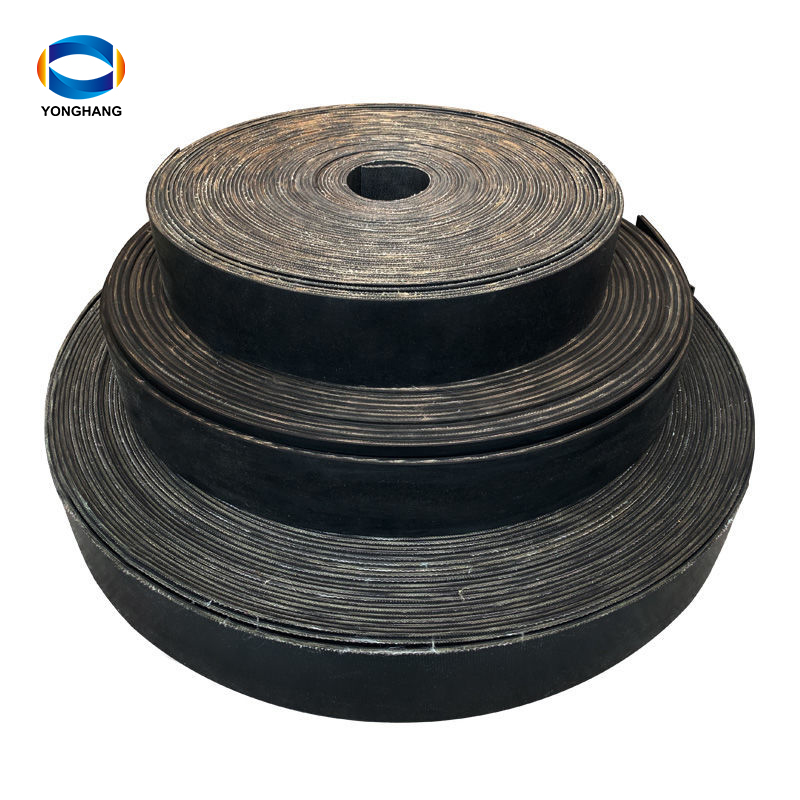
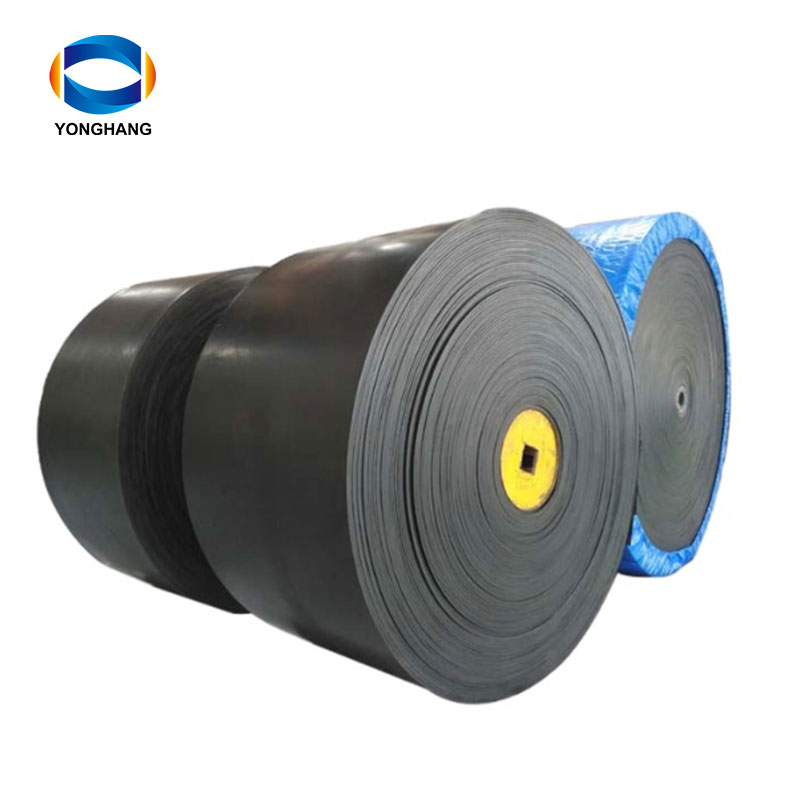
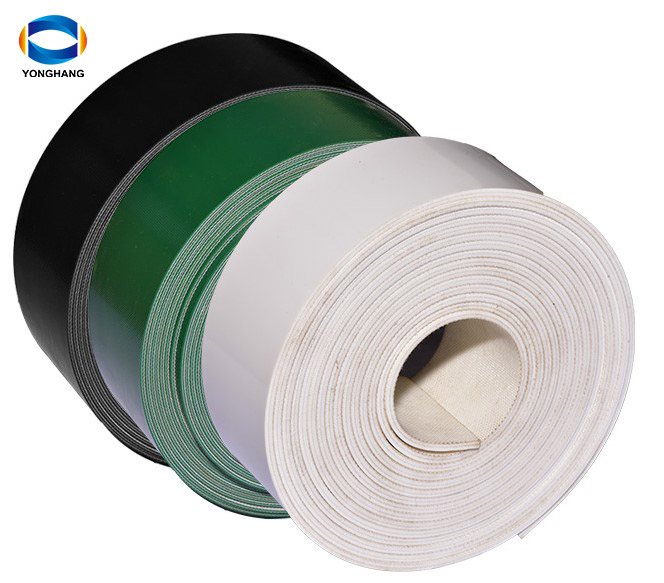
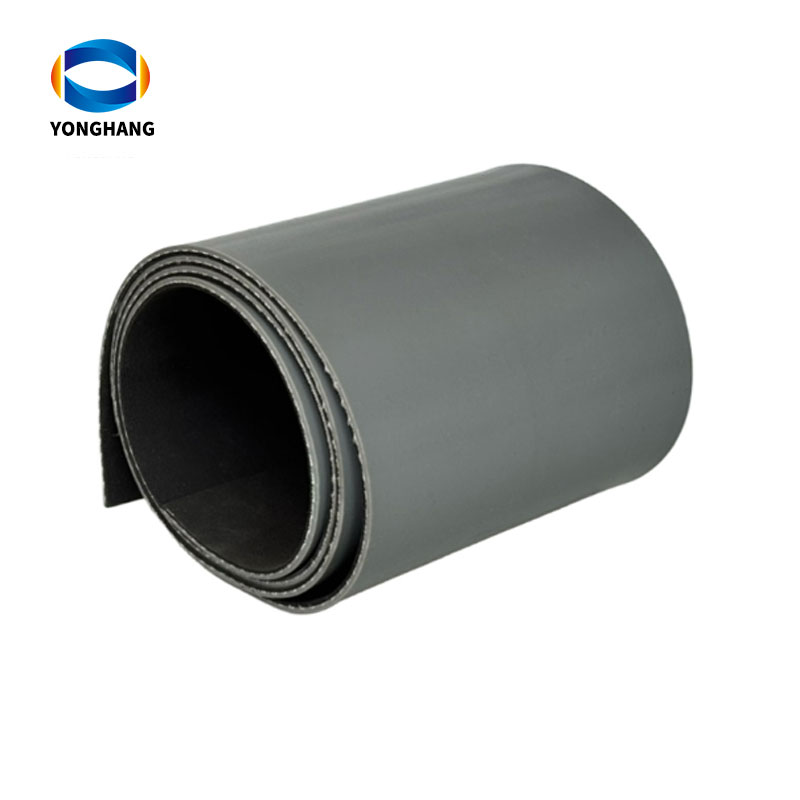
Rubber Conveyor Belt

• Features a composite formulation of natural and synthetic rubber, delivering high strength, wear resistance, and impact resistance. Ideal for conveying heavy-duty materials like coal and ore, with a service life 30% longer than standard products.

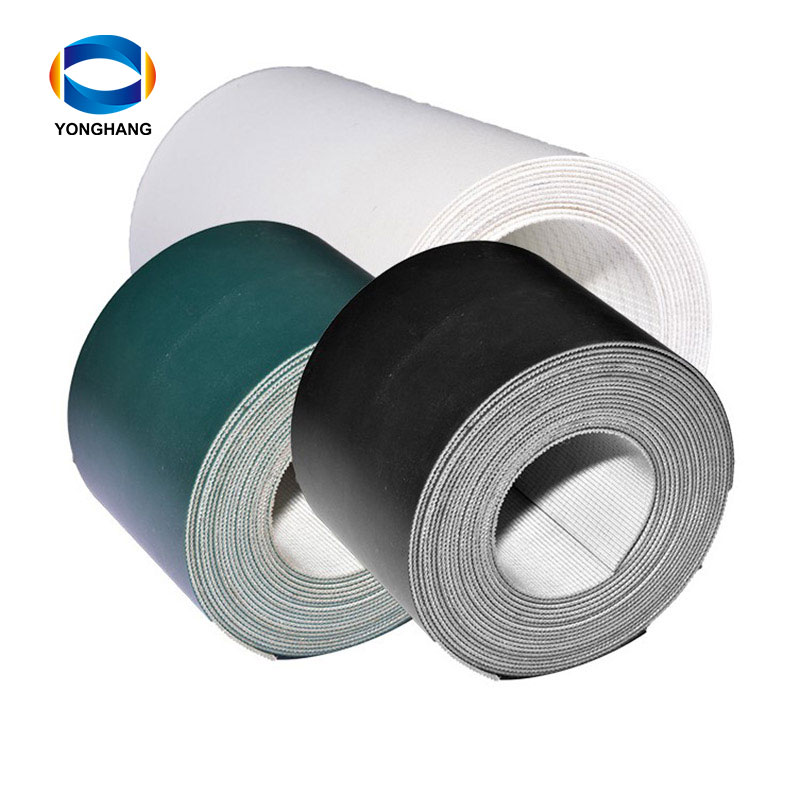
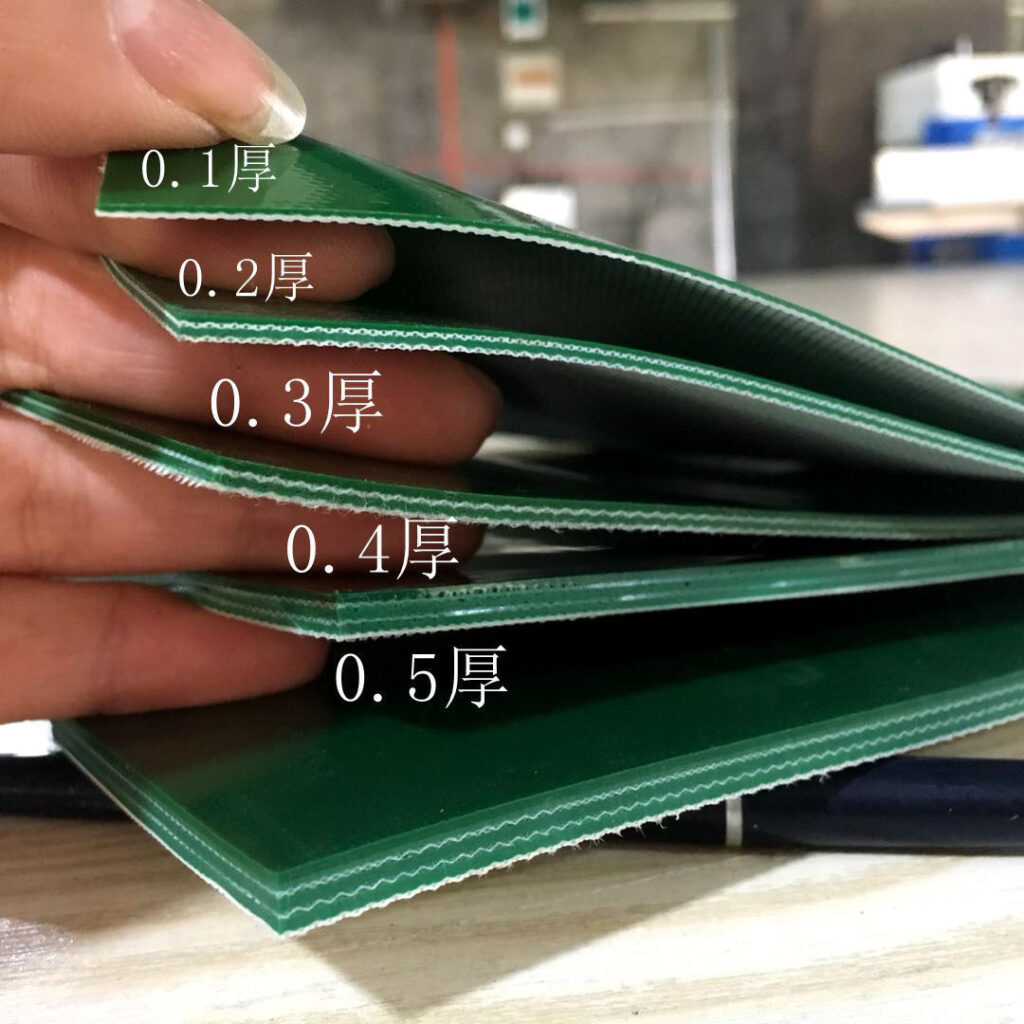
PVC/PU Conveyor Belt

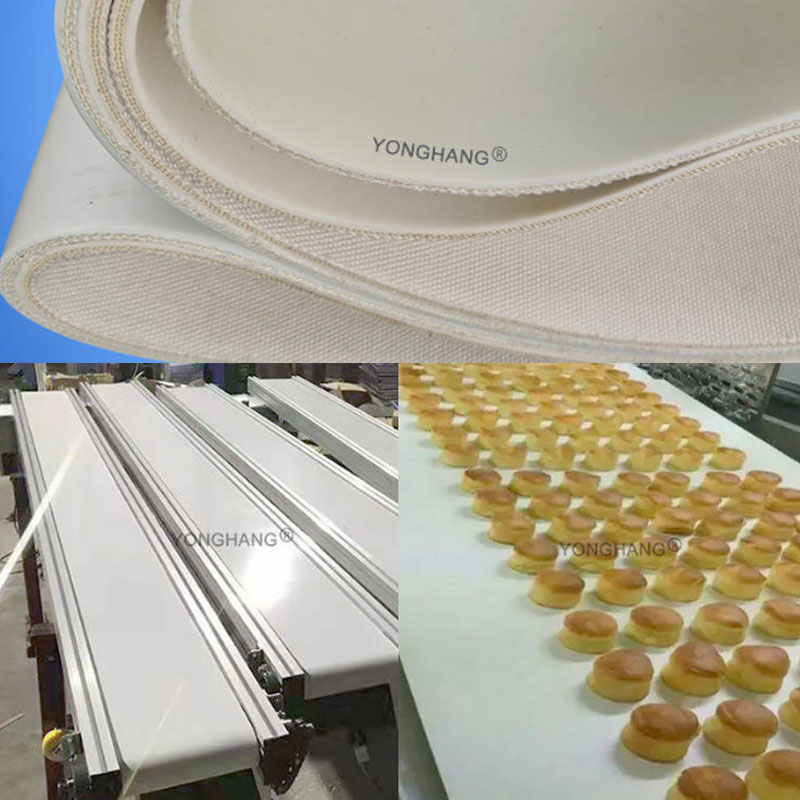
• Eco-friendly food-grade conveyor belt certified by FDA and EU. Non-toxic and odorless, resistant to oil stains and easy to clean. Widely used in cleanroom environments for food processing, packaging, and electronics assembly.

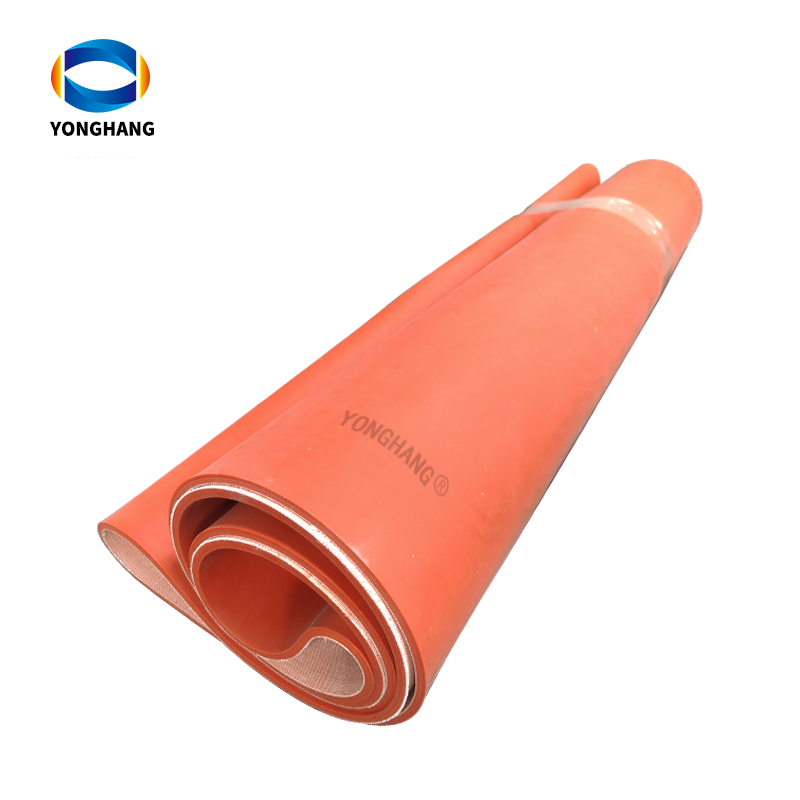
Silicone Conveyor Belt

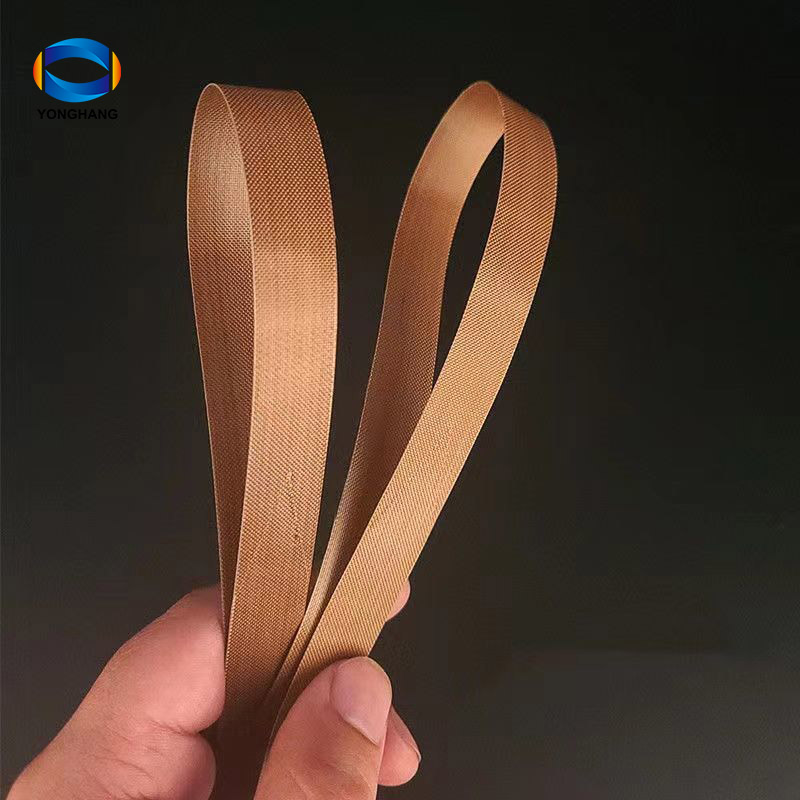
• High-temperature resistant (-60°C to 230°C), anti-adhesive, specifically designed for high-temperature curing processes in baking, pharmaceuticals, and electronic components. Surface smoothness reaches Ra ≤ 0.8μm, meeting precision transmission requirements.

Teflon (PTFE) Conveyor Belt

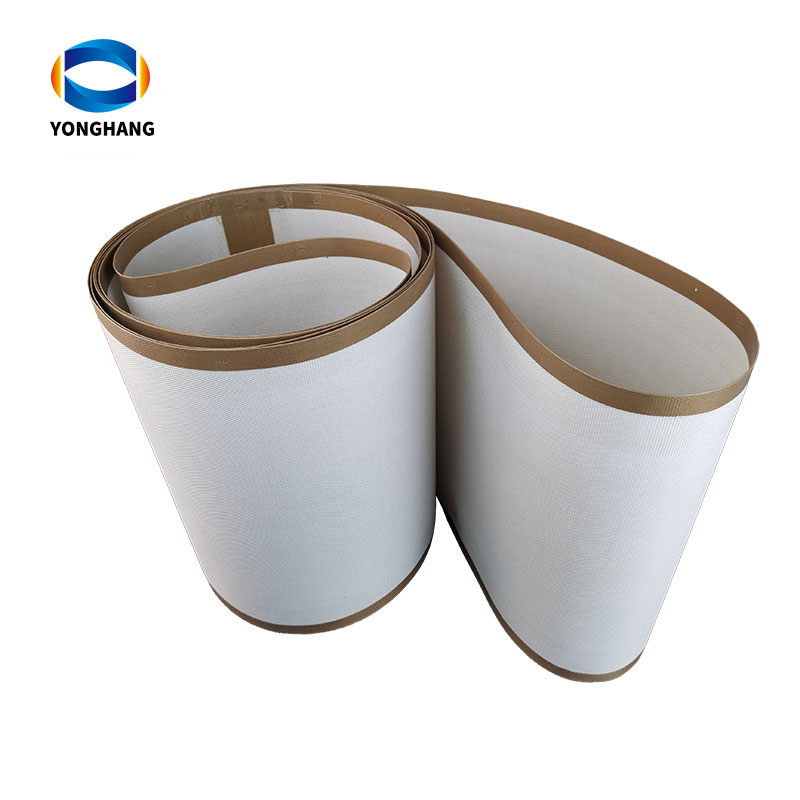
• High-temperature resistance (-70°C to 260°C), exceptional corrosion resistance (withstands strong acids, alkalis, and organic solvents), low friction coefficient (μ ≤ 0.05). Used for transporting corrosive media in chemical processing, textile dyeing, lithium battery manufacturing, and related industries.

Plastic Modular Conveyor Belt

•Modular design, wear-resistant and clean, with replaceable modules for cost savings. Specifically engineered for the automotive and logistics industries, providing a smart, quick-change transmission solution.

Stainless Steel Mesh Conveyor Belt

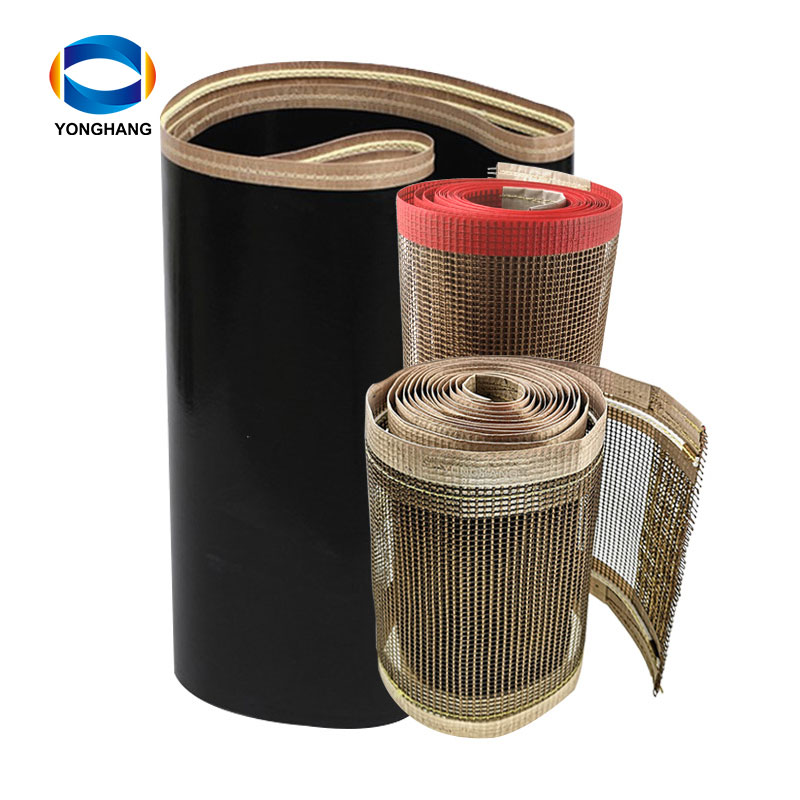
•High-temperature resistant, corrosion-resistant, and highly breathable. Ideal for long-term stable transportation in extreme environments such as food processing and chemical industries. Suitable for conveyor lines requiring cleaning, air permeability, and drainage.

Comparison of Different Materials for Conveyor Belts

Joint Method

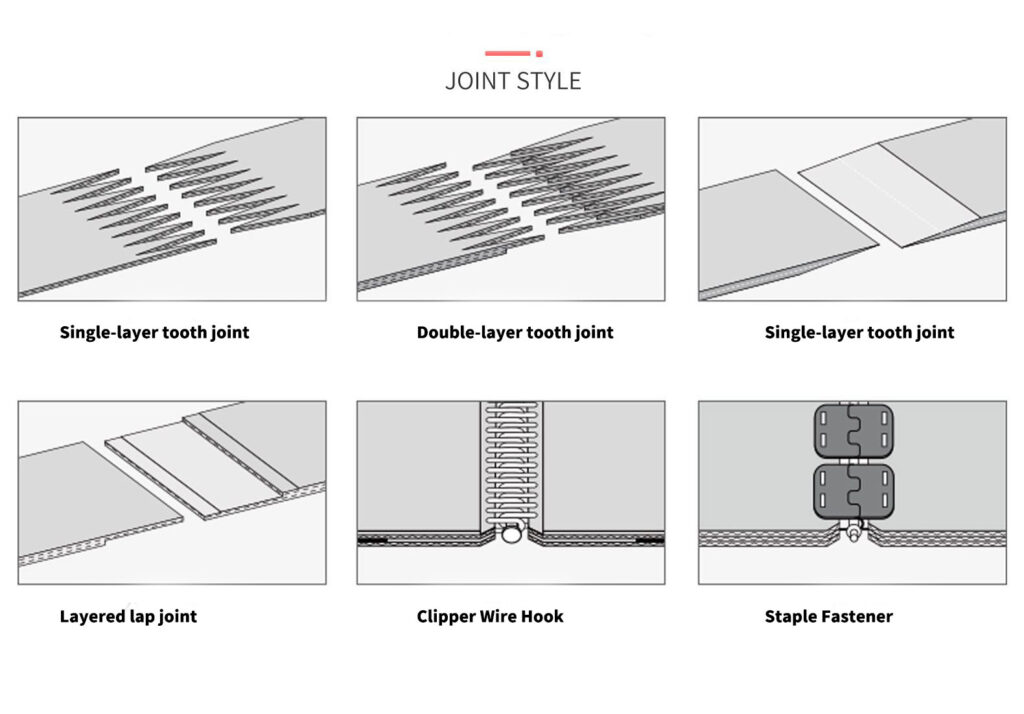
Preferred method:FOF (Finger Over Finger)
Fingers are punched into the ends to be joined, and then tacked together and welded under pressure and heat.
High-temperature hot-melt seamless tooth joints for greater strength, beauty and resistance to tearing!

Mechanical Fasteners 

Clipper Wire Hook
APF Fasteners
Alligator Rivet Fastener
Alligator Lacing Staple Fastening System 
Plastic Spiral Finger
Fexco Rivet Solid Plate
Alliqator Plastic Rivet
Flexco Rivet Hinged

Joint Method

Wide Applications of conveyor belts

rubber conveyor belts

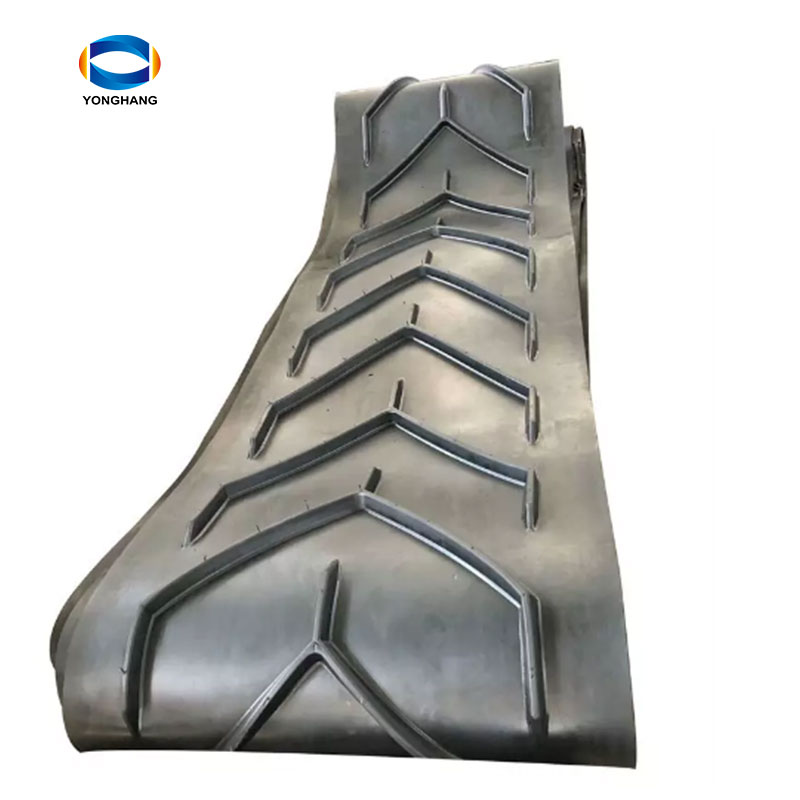
EP200 EP300 EP400 EP500 EP800 Heat Resistant Ti,Heat Resistant T2.Heat Resistant T3, Heat Resistant T4, fire Resstant Kl.Fire Rosistant K2, Fine Rosistant k3, Fre Resistant K4.oil kesstant LO,oi Resistant po.cald Resisant cicod Resistent c2. Acid-e kalil Resstont A1.Acid.alkoll Resistant A2, Aeia.alkal Resistont A3.Sidewall Rubber Conveyor Belt, Patterned Conveyor Belts.and so on.

PU/PVC Conveyor Belt

Silicone conveyor belt

Teflon (PTFE)conveyor belt

For more styles, please consult our team.

Technical Advantages:

• 20 Years of Process Heritage: Holding 12 national patents, our proprietary “Multi-Layer Composite Vulcanization Process” boosts tensile strength by 40%.
• Full Product Range Coverage: From lightweight food-grade to heavy-duty mining applications, offering widths from 50mm to 3000mm with customized length services.
• Intelligent Inspection System: Utilizing Zeiss optical inspection equipment to ensure tension uniformity error ≤1% per roll.

We adhere to the principle of “defining product standards based on customer needs.” Our company holds dual ISO 9001 and ISO 14001 certifications, and our products have passed international inspections by SGS, TÜV, and other organizations. Moving forward, we will continue to drive industry advancement through technological innovation, delivering more reliable “Chinese solutions” for global industrial transmission systems.

Related Products

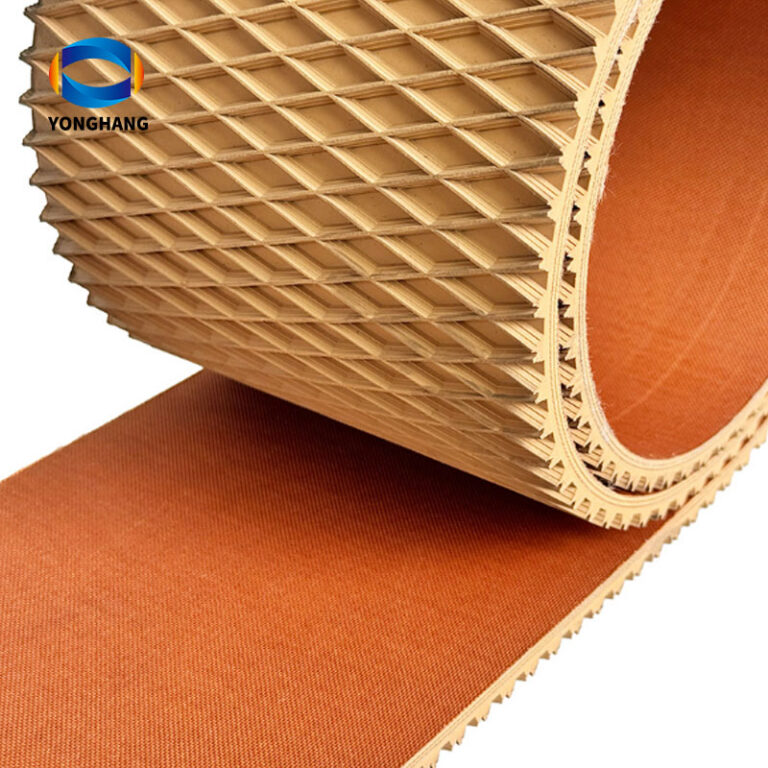
  •  yellow rubber Rhombus Pattern Surface Conveyor Belt

     yellow rubber Rhombus Pattern Surface Conveyor Belt

     yellow rubber Rhombus Pattern Surface Conveyor Belts are manufactured from rubber and polyester fiber reinforcement materials. Compared to PVC conveyor belts, they offer superior resistance to…

    Read more

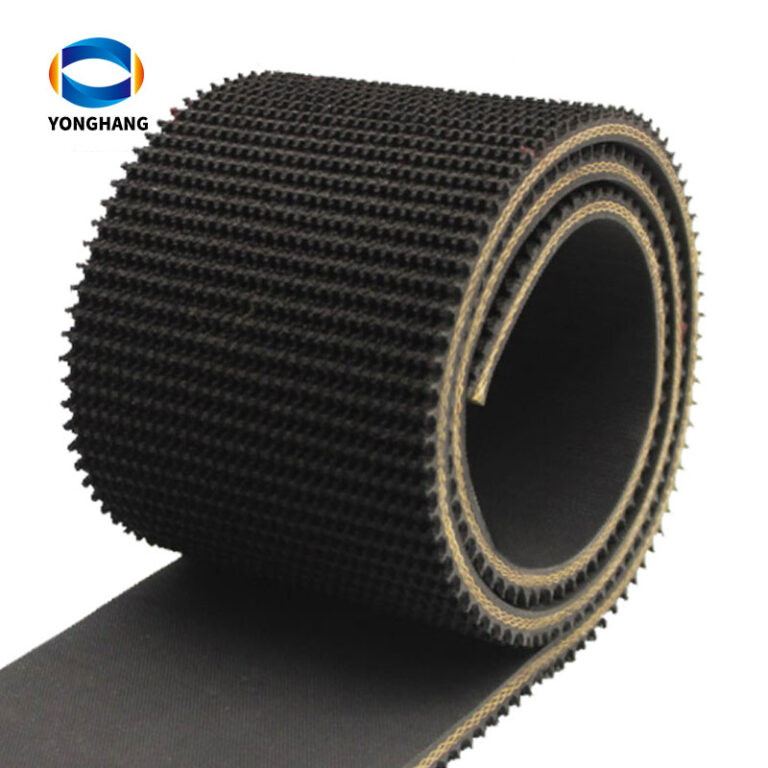
  • Black rubber rough conveyor belt

    black Rubber Rough Conveyor Belt

    black Rubber Rough Conveyor Belt manufactured from rubber and polyester cotton yarn materials. Compared to PVC conveyor belts, they exhibit superior resistance to oil,…

    Read more

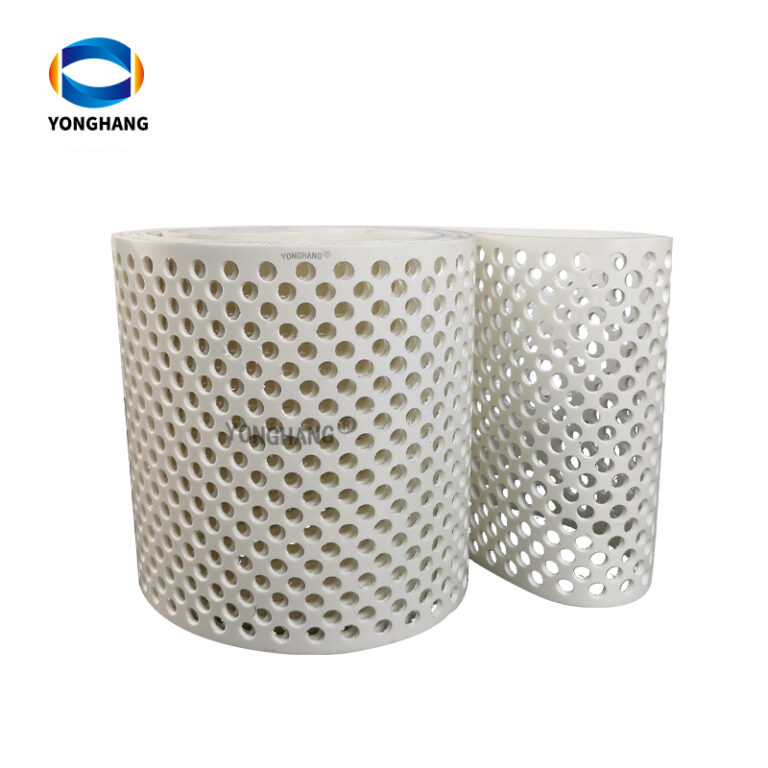
  • Egg Collection Conveyor Belts

    This egg collection conveyor belt is made from white PVC conveyor belt material with perforations.Perforated Conveyor Belts were introduced to the market as a…

    Read more

FAQ of conveyor belt

Must be stored in rolls; folding is strictly prohibited.
Store off the ground to prevent moisture and contamination.
Stack by category to avoid confusion.
Keep away from heat sources.
Avoid direct sunlight and exposure to rain or snow.
Prevent chemical corrosion.
During storage, rotate conveyor belt rolls at least once per quarter to alter pressure points and prevent deformation from prolonged static pressure.
Conduct monthly inspections to check for surface cracking, hardening, mold growth, or edge damage. Address any issues promptly.
First-in, First-out (FIFO): Standard rubber conveyor belts should not be stored for more than one year. Adhere to the FIFO principle, prioritizing the use of belts stored earlier to prevent performance degradation from prolonged storage.

Step 1: Adjust the head and tail rollers

Adjustment of the Head Drum (Drive Drum): Follow the principle of “tighten the side where the belt is drifting.”
If the belt drifts to the right: Move the right bearing housing forward (in the direction of belt travel), or move the left bearing housing backward.
If the belt drifts to the left: Move the left bearing housing forward, or move the right bearing housing backward.
Adjustment of the Tail Drum (Redirecting Drum): The method is the exact opposite of the head drum.
If the belt drifts to the right: Move the right bearing housing backward, or move the left bearing housing forward.

Step 2: Adjust the idler roller assembly

If the belt drifts to the left: Move the left bearing housing backward, or move the right bearing housing forward.
If the belt deviation occurs at the roller assembly position, it indicates that the centerline of the rollers is not perpendicular to the conveyor centerline. The belt will deviate toward the side that first contacts the rollers.
The adjustment method involves utilizing the elongated holes on both sides of the roller frame, following the principle of “move the side where the deviation occurs.”

PVC conveyor belts are the most common and widely used type, offering cost-effectiveness. PU conveyor belts are characterized by safety, cleanliness, and durability. They are non-toxic and odorless, allowing direct contact with food. Compliant with U.S. FDA food hygiene standards, they exhibit superior abrasion resistance compared to PVC. PVK Conveyor Belt: The Heavy-Duty Logistics Workhorse Its structure resembles a thick, high-strength three-dimensional cotton fabric impregnated with special materials. It offers exceptional impact resistance and puncture resistance, with abrasion resistance 3-4 times better than PVC.

Step 1: Self-Diagnosis to Identify Pain Points
Draw a diagram: Sketch your production line layout and mark the three most challenging areas for cleaning, most prone to jamming, and most frequent leakage points.
Step 2: Hand it over to our Yonghang expert team. We’ll analyze your situation, propose solutions and case studies, and provide professional food-grade FDA reports.
Step 3: Pilot First, Roll Out Later: If multiple lines exist, modify one line initially to validate effectiveness and ROI. Upon significant results (e.g., reduced defect rates, increased production capacity), expand to other lines.

Sample needs 3-5 days, mass production time needs 1-2 weeks for order quantity.

Western Union, Paypal, Ali Secure Pay or T/T (company account and personal account)
Russia accepts payments from VTB Bank

We typically ship via DHL, UPS, FedEx, or TNT. Delivery usually takes 3-5 days. Air and sea shipping are also available.