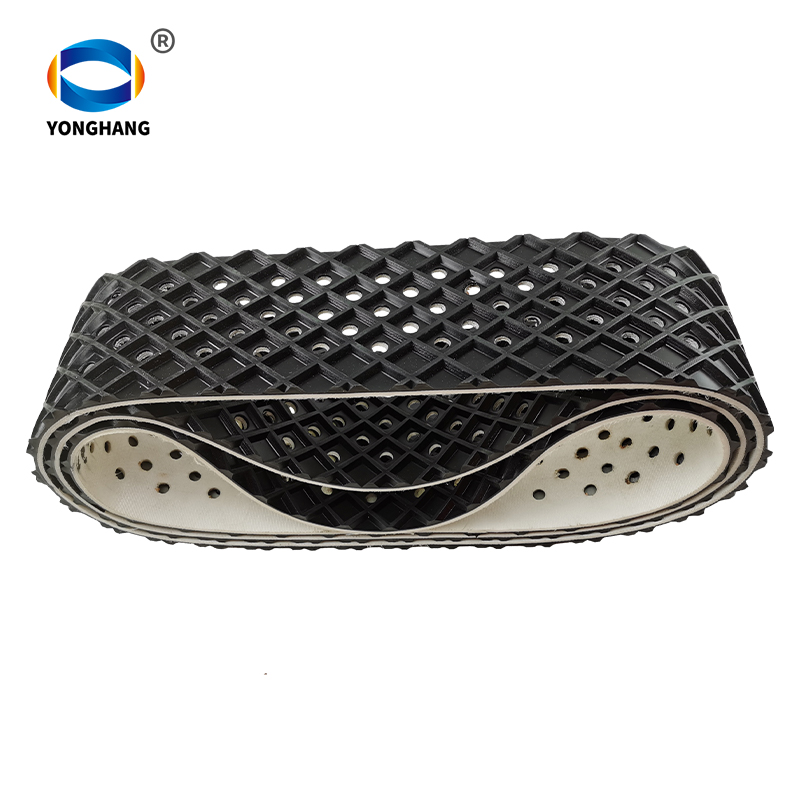
Industrial Wool Felt Strips
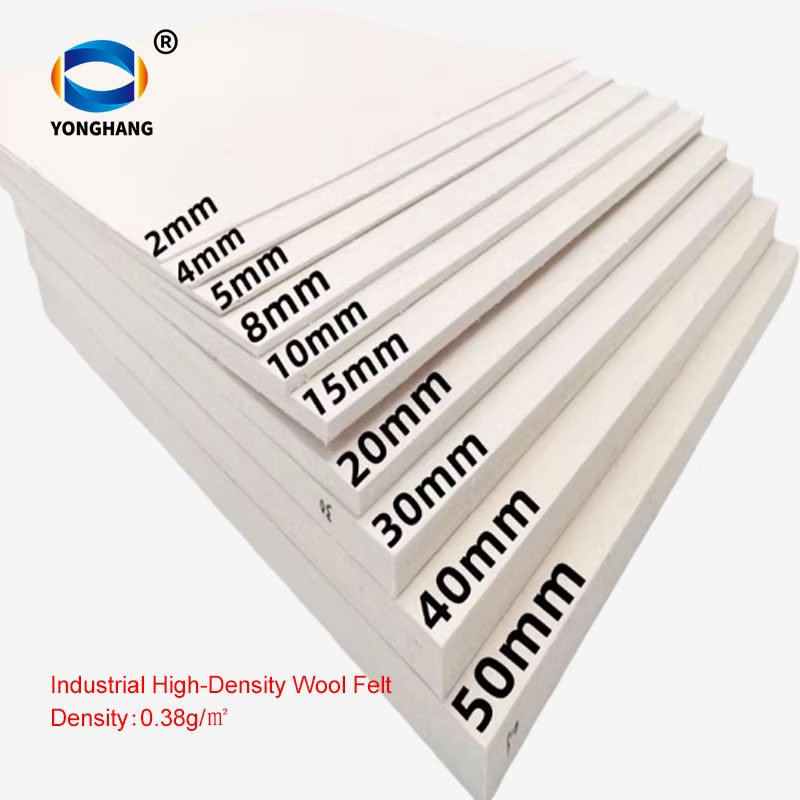
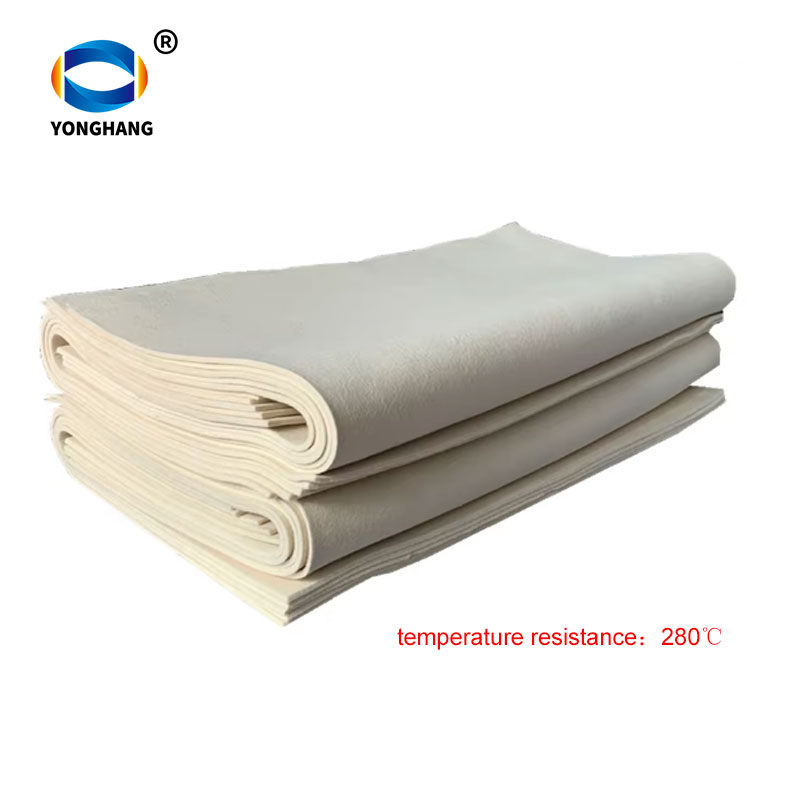
In the fields of industrial power transmission, mechanical protection, and sealing, industrial wool felt strips are an extremely versatile natural material. Thanks to their unique fiber structure, they deliver outstanding performance in lubrication, filtration, vibration damping, and high-temperature protection. As a manufacturer with 20 years of experience, Yonghang offers industrial felt strips typically produced using…
In the fields of industrial power transmission, mechanical protection, and sealing, industrial wool felt strips are an extremely versatile natural material. Thanks to their unique fiber structure, they deliver outstanding performance in lubrication, filtration, vibration damping, and high-temperature protection.
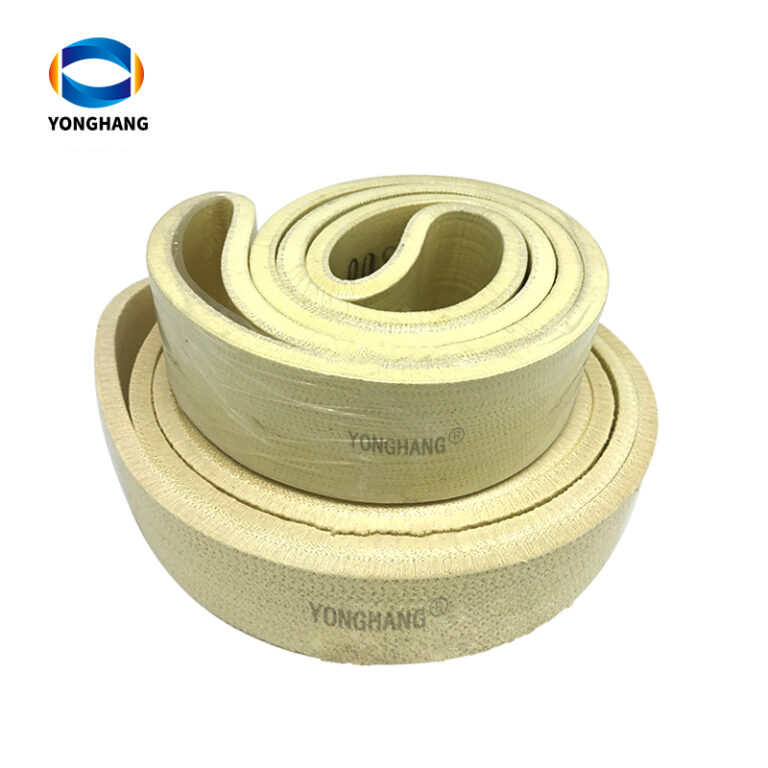
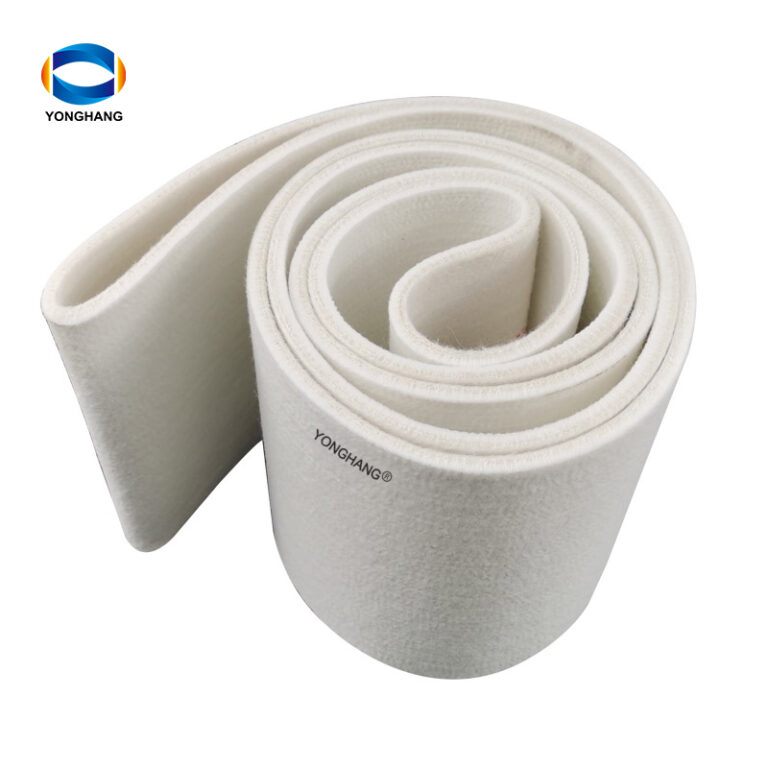
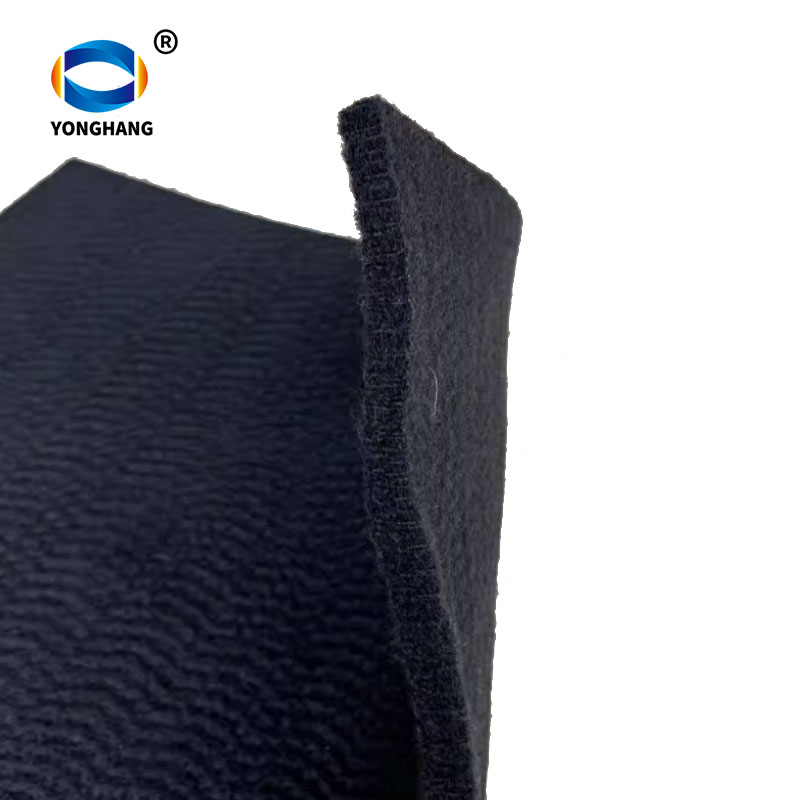
As a manufacturer with 20 years of experience, Yonghang offers industrial felt strips typically produced using either the pressed felt or needle-punched process to meet varying requirements for hardness and density.
| Key words | felt conveyor belt |
| Place of origin | Guangzhou, China |
| Material | 100% wool / wool and synthetic blend |
| colour | white/creamy white |
| Size | customization |
| Density | 0.2g/cm³-0.7g/cm³ |
| Thickness | 2 mm, 3 mm, 5 mm, 10 mm to 50 mm |
| Joint | Seamless or mechanical fasteners |
| Antistatic | 10⁹ Ω |
| Temperature range | <150℃ |
| Max width | Cut into strips or blocks as required (5 mm, 10 mm, 20 mm; maximum width 3000 mm) |
| Application | Cutting table, paper industry & tyre industry&Aluminum profile production line |
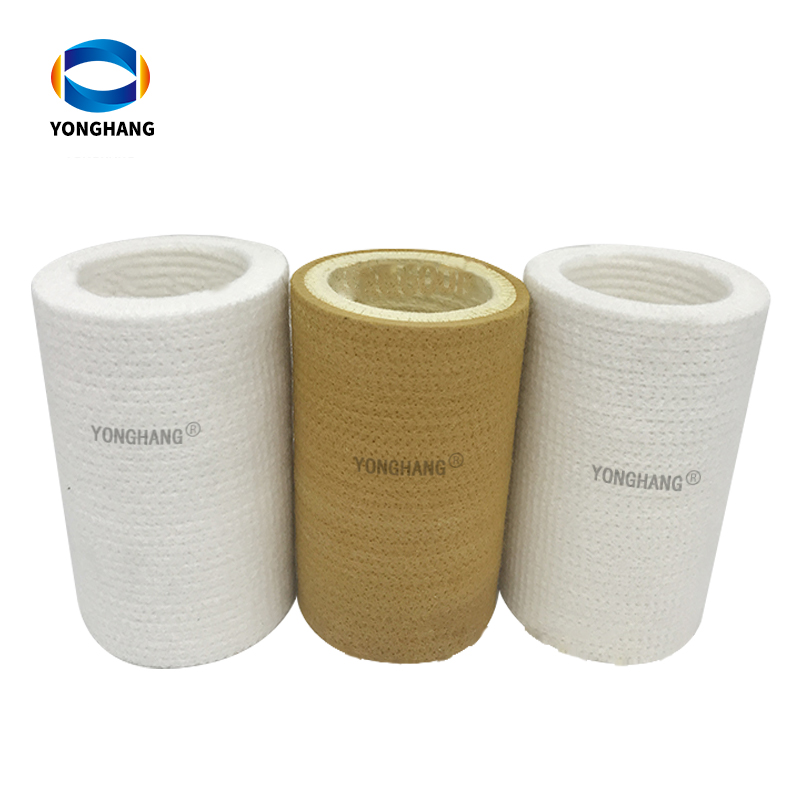
High-density, wear-resistant, heat-resistant, shock-absorbing, dust-proof, polished felt strips, blocks, and rings
We can ship these in rolls, with a maximum width of 3 meters and custom thicknesses ranging from 2 to 50 mm.
“Precision Slitting Service: Whether you need ultra-thin 1mm strips or heavy-duty 20mm pads, Yonghang provides CNC precision slitting with high-tack adhesive backing for easy installation.”
Core CharacteristicsWool Felt vs. Synthetic Felt:
Excellent Oil Retention and Wicking: Wool fibers possess natural capillary action, enabling them to absorb lubricating oil evenly and release it slowly. Applications: As oil seals for mechanical bearings or as oil-retaining cores in automatic lubrication systems.
Excellent Vibration Damping: Felt strips possess high resilience, absorbing minor vibrations during mechanical operation and reducing noise. Applications: Machine base pads, bumpers, and conveyor belt edge seals.
Abrasion & Cut Resistance: High-density compressed felt strips are extremely tough and resistant to tearing. Applications: Support pads in glass and metal processing to prevent scratching of precision surfaces.
Temperature Stability: Pure wool felt can operate continuously at high temperatures100°C-150°C, with even higher short-term temperature resistance, and does not melt like plastic when carbonized.
Excellent Sealing: Effectively prevents dust and debris from entering precision guideways or the interior of motors.
Applications
Conveyor Systems: Installed along the sides of conveyor belts as side guide seals to prevent the leakage of fine powders or particles without damaging the belt.
Aluminum Extrusions: Used as padding for cooling beds and transfer beams to protect the surface of high-temperature aluminum from scratches.
Metal Processing: Used as tension pads in slitting or shearing machines; the friction of the felt controls steel strip tension and removes surface oil.
Gaskets & Seals: Used as dust seals for electric motors and bearing housings, as well as oil-impregnated sealing rings.
Polishing: Hard felt strips are commonly used in the final polishing process for glass and stainless steel surfaces.
How do I choose the right density?
Soft/Medium: Suitable for sealing, cushioning, and shock absorption on uneven surfaces, as well as general oil storage and lubrication.
Firm/Hard: Suitable for applications requiring high pressure resistance and frequent friction, such as tension control, precision cutting support, and sealing in heavy-duty equipment.
Wool Felt vs. Synthetic Felt:
Wool Felt vs. Synthetic Felt: In high-temperature applications or environments requiring oil storage, 100% wool felt must be used. Synthetic felt (polyester) melts at high temperatures and has a much lower oil absorption rate than wool.
Corrosion Resistance Notes: Wool is a protein fiber and is unstable in strong acid or strong alkali environments. If your application involves chemicals, please inform us, and we will provide you with specially impregnated, reinforced felt strips.
-768x768.jpg)