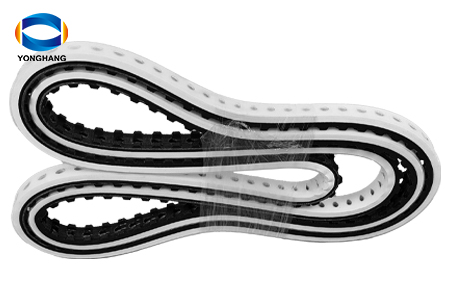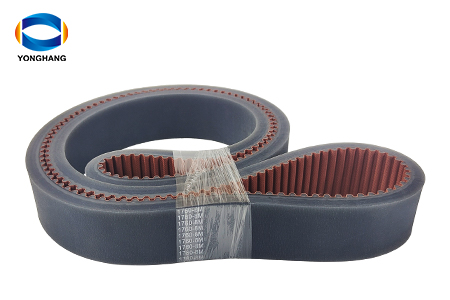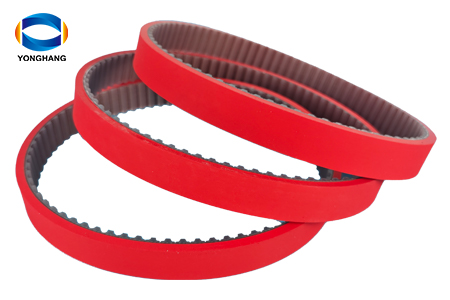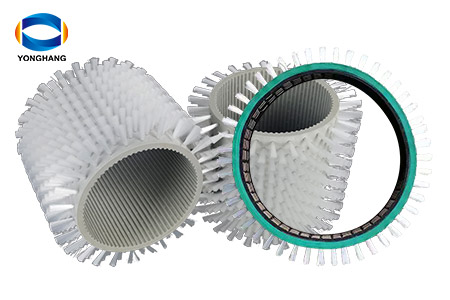
In industrial transmission and material handling applications, the selection of timing belts directly impacts equipment operational efficiency and maintenance costs. When confronting demanding conditions such as high temperatures, stringent cleanliness requirements, or viscous materials, a specialized timing belt featuring a silicone-coated surface has increasingly captured engineers’ attention. But is this high-temperature silicone coated timing belt truly a compelling choice, or merely a niche product lacking cost-effectiveness? This article provides a comprehensive cost-benefit analysis across four dimensions: performance advantages, application scenarios, cost limitations, and future trends.
I. Core Advantages of Silicone Coated Timing Belts: Beyond High-Temperature
ResistanceTo evaluate their cost-effectiveness, one must first consider their irreplaceable value. The core competitiveness of silicone coated timing belts lies in their unique material properties.
1. Extreme Temperature Adaptability
This is the most prominent advantage of silicone coating. Compared to traditional neoprene or polyurethane timing belts, silicone material offers a wider temperature tolerance range. High-quality silicone coated timing belts maintain long-term stability from -60°C to +250°C, with specially formulated variants enduring even higher temperatures. This enables seamless operation across extreme environments like high-temperature drying equipment, food baking lines, and cold storage conveyor systems.
2. Exceptional Chemical Stability and Non-Stick Properties
Silicone exhibits outstanding resistance to ozone, UV radiation, strong acids/alkalis, and industrial solvents, resisting aging or degradation. Crucially, its surface possesses inherent non-stick properties. On sanitary product lines (e.g., diaper hot-melt adhesive sealing) or food labeling machines, the silicone coating effectively prevents adhesion of hot melt adhesives, sugars, or viscous materials, maintaining a clean conveying surface and significantly reducing downtime for cleaning. This anti-adhesion property is key to enhancing overall production efficiency.
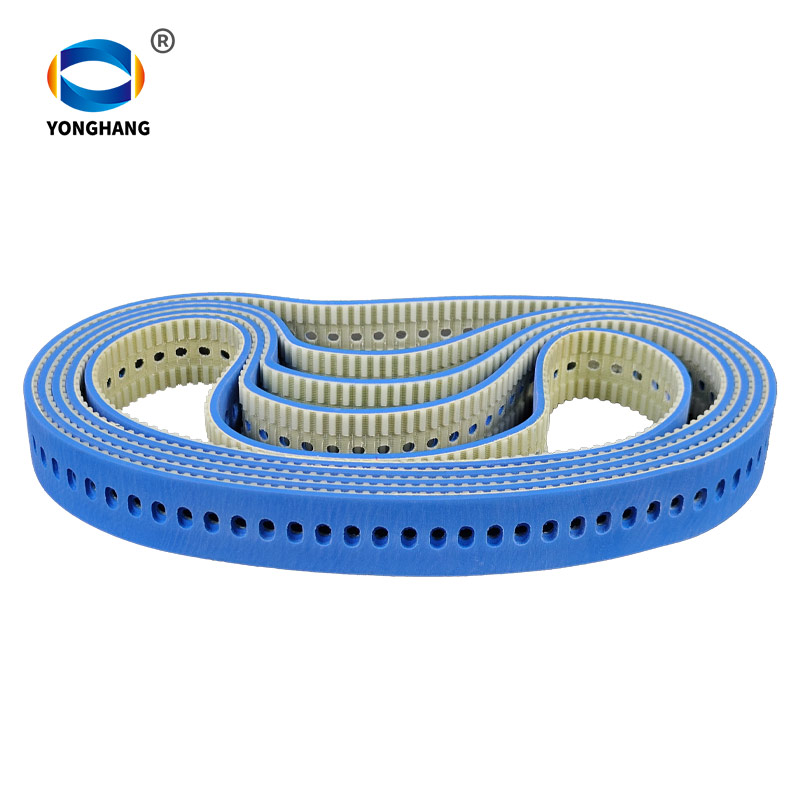
3. Eco-Friendly, Non-Toxic, and Low-Friction
Silicone material complies with FDA food-grade and medical-grade standards. It is non-toxic and odorless, allowing direct contact with food or pharmaceuticals while meeting the high cleanliness requirements of pharmaceutical equipment and precision electronics workshops. Additionally, its low surface friction coefficient not only protects fragile conveyed items (such as glass or electronic components) but also reduces operational noise, improving the working environment.
II. Limitations Analysis: Performance Shortcomings That Must Be Acknowledged
Despite its prominent advantages, silicone coated timing belts are not “all-purpose solutions.” Understanding their limitations is key to evaluating their cost-effectiveness.
1. Lower Mechanical Strength and Limited Load Capacity
Silicone’s inherent strength falls significantly short of polyurethane (PU) or hydrogenated nitrile rubber (HNBR). It exhibits weaker tensile strength and tear resistance. Therefore, these belts typically employ a “base belt + coating” structure: the inner layer uses high-strength glass fiber, Kevlar core, or polyester canvas to bear the transmission load, while the outer silicone layer serves only as a functional coating. In heavy-duty industrial applications involving high torque, heavy loads, or high tension, their load-bearing capacity is significantly inadequate, making them unsuitable for scenarios like mining machinery or heavy machine tools.
2. Susceptibility to Particle Abrasion
The silicone surface is relatively soft. In environments with significant metal dust, grit, or hard particles, the silicone layer is prone to damage from abrasive wear. In high-dust settings like mining or construction, its durability falls short compared to neoprene or polyurethane timing belts.
3. Higher Cost
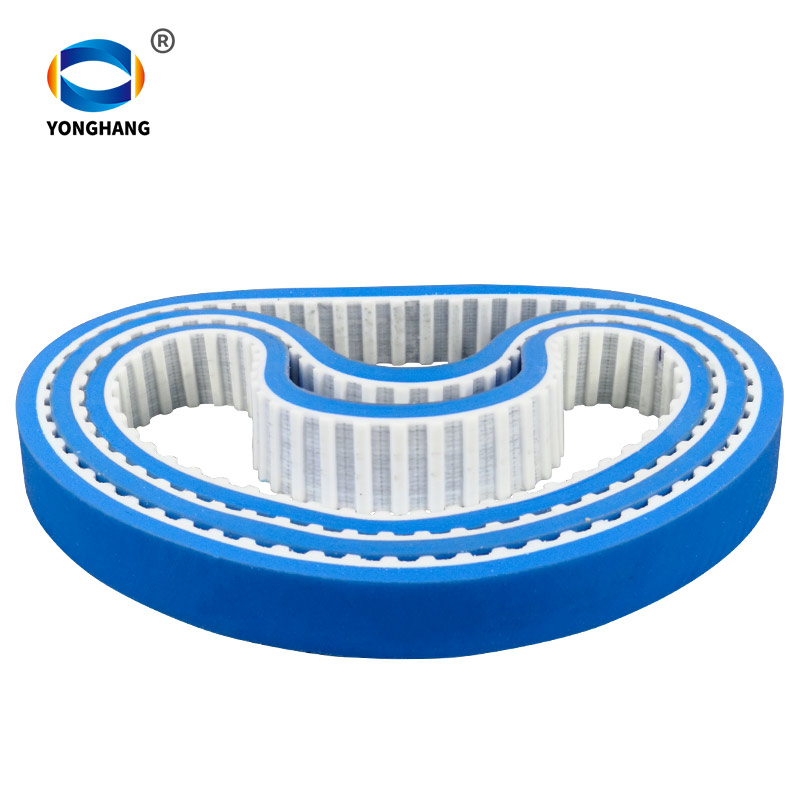
This is the most direct factor affecting cost-effectiveness. Due to the higher price of silicone raw materials and stringent processing requirements (such as one-piece vulcanization and precision coating), its price is 30% to 50% higher than standard rubber synchronous belts. If its specialized functions are unnecessary, using a standard belt is clearly more economical.
III. The Golden Rule of Cost-Effectiveness: Choosing the Right Application
The cost-effectiveness of silicone-coated synchronous belts hinges entirely on whether they match the application scenario.
Worth Choosing: High Returns in Specific Conditions
In the following scenarios, the added value of silicone coating far exceeds its premium cost, offering exceptional cost-effectiveness:
High-Temperature Environments: Such as sintering furnaces in the photovoltaic industry, annealing furnaces in glass machinery, and high-temperature drying lines. Conventional belts degrade or fracture rapidly in these conditions, while silicone belts remain one of the few options capable of stable operation.
High-Adhesion Material Conveyance:
Hygiene product production lines, food baking (bread/cookies), packaging machinery (heat sealing). Their anti-adhesion properties not only ensure stable operation but also reduce scrap rates and cleaning labor costs—yielding substantial hidden savings.High-precision synchronization requirements: High-speed automated equipment requiring precise meshing (e.g., labeling machines, assembly lines). Silicone-coated synchronous belts ensure slip-free, accurate transmission via their tooth profile while providing sufficient surface friction for product gripping.
Choose Wisely: Overkill or Inadequacy
Cost-effectiveness is low in the following scenarios:
Standard environments with no special requirements: For general mechanical transmission under normal temperatures, oil-free conditions, and no chemical corrosion, significantly cheaper neoprene or polyurethane synchronous belts are clearly more economical.
Heavy-load, high-wear environments: Such as high-power engine transmission or mining conveyors. The insufficient strength or susceptibility to wear of silicone belts can drastically shorten their lifespan, leading to soaring maintenance costs.
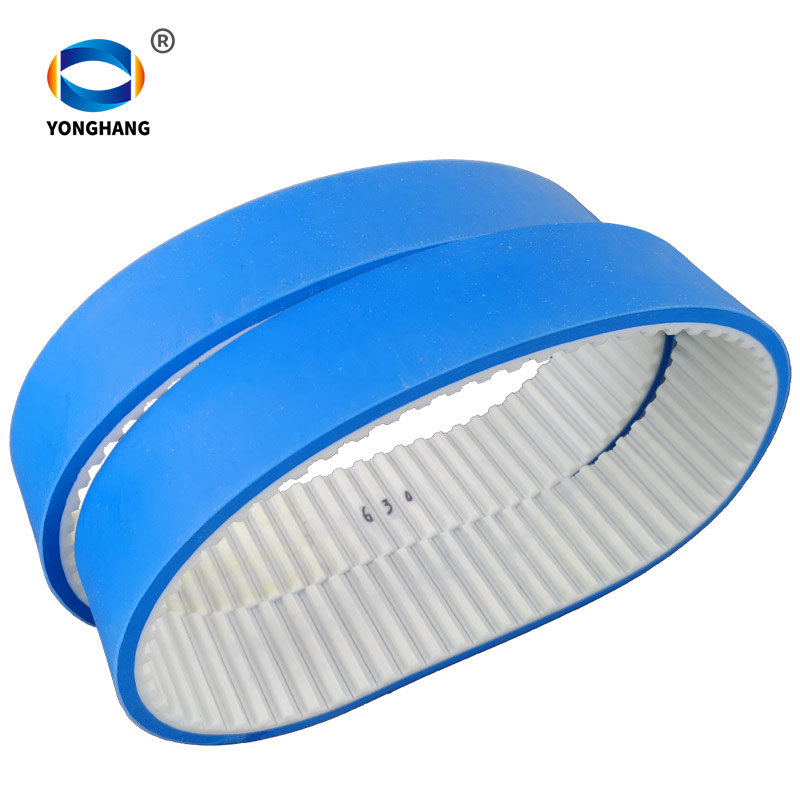
IV. Future Trends: Technology Upgrades Enhance Cost-Effectiveness
Notably, advancements in materials science are addressing the limitations of silicone synchronous belts. Industry observations for 2025 indicate the widespread adoption of nano-composite reinforcement materials and low-friction coating technologies:
Strength Enhancement: By incorporating nano-carbon fibers or optimizing glass fiber reinforcement, the tensile strength of next-generation silicone belts is increasing, enabling gradual penetration into medium-to-high load applications.
Wear Resistance Enhancement: Coating with fluorinated polymers (PTFE) or ceramic particles fortifies surface resistance to particle abrasion, extending service life.
Integrated Molding Process: High-quality one-piece vulcanization ensures robust bonding between the silicone layer and base belt, preventing delamination during high-speed operation and significantly boosting reliability in high-speed applications (e.g., sanitary product production lines).While these technological upgrades may lead to slight price increases, extended service life and expanded application scope are dynamically enhancing their overall cost-effectiveness.