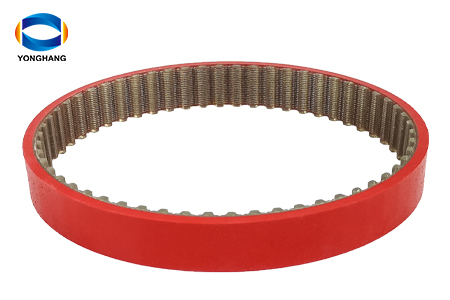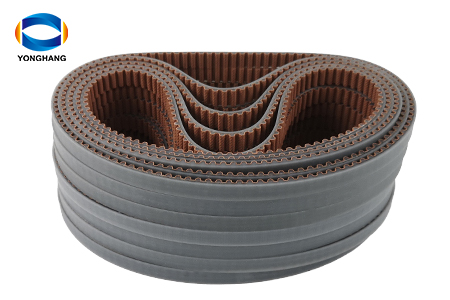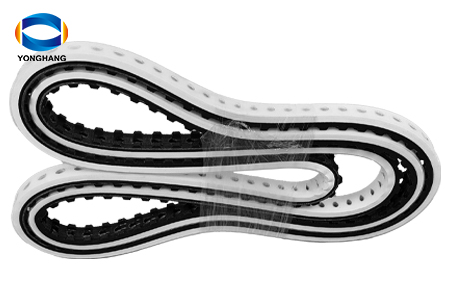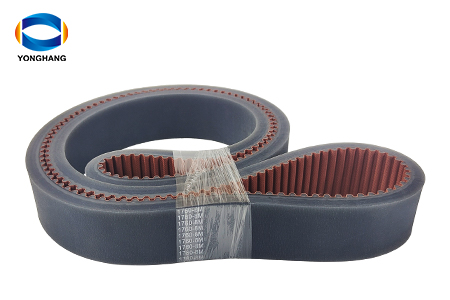
In high-speed automated workshops, timing belts serve as the “joints” that transmit power. Silicone coated timing belts, in particular, are widely used in food processing, electronics manufacturing, and pharmaceutical packaging due to their resistance to extreme temperatures and eco-friendly, non-toxic properties. However, many equipment maintenance personnel ask the same question: How long does this silicone-coated timing belt actually last?In reality, silicone coated timing belts lack a fixed “expiration date.” Their lifespan ranges from several months to several years. Under ideal outdoor weathering conditions, they can last up to 10 years, while in harsh environments, replacement may be needed within months. To determine their service life, it’s crucial to analyze the core factors that influence their durability.
I. Inherent Advantages and Limitations of Silicone Coating timing belt
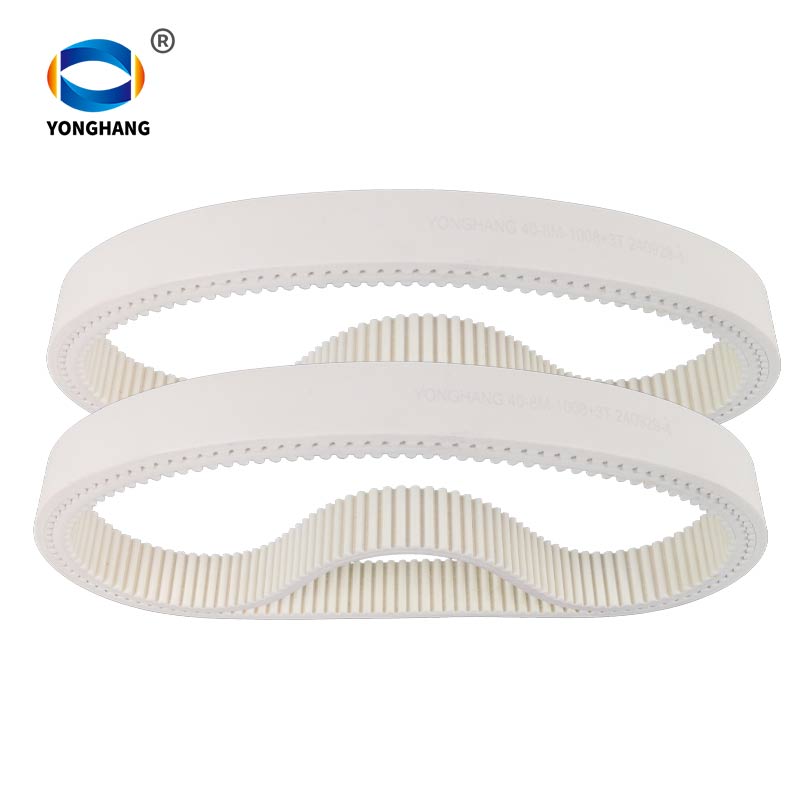
To assess service life, one must first understand the properties of silicone material. Silicone coated timing belts operate stably across extreme temperatures ranging from -60°C to +250°C, while demonstrating exceptional resistance to ozone, UV radiation, and acidic/alkaline solvents. This makes them ideal for high-temperature drying, low-temperature freezing, or chemical environments.
However, no material is perfect. Silicone exhibits relatively low mechanical strength, meaning its tear resistance and tensile strength fall short of those found in neoprene or polyurethane. This implies that under prolonged high-torque, high-load conditions, the silicone belt itself is more susceptible to reaching its fatigue limit.
II. Six Major “Killers” Shortening the Lifespan of Silicone Coated Timing Belts
In practical applications, the failure of silicone coated timing belts is rarely due to simple aging, but rather caused by the following specific “damages”:
1. Abrasion and Particle Erosion
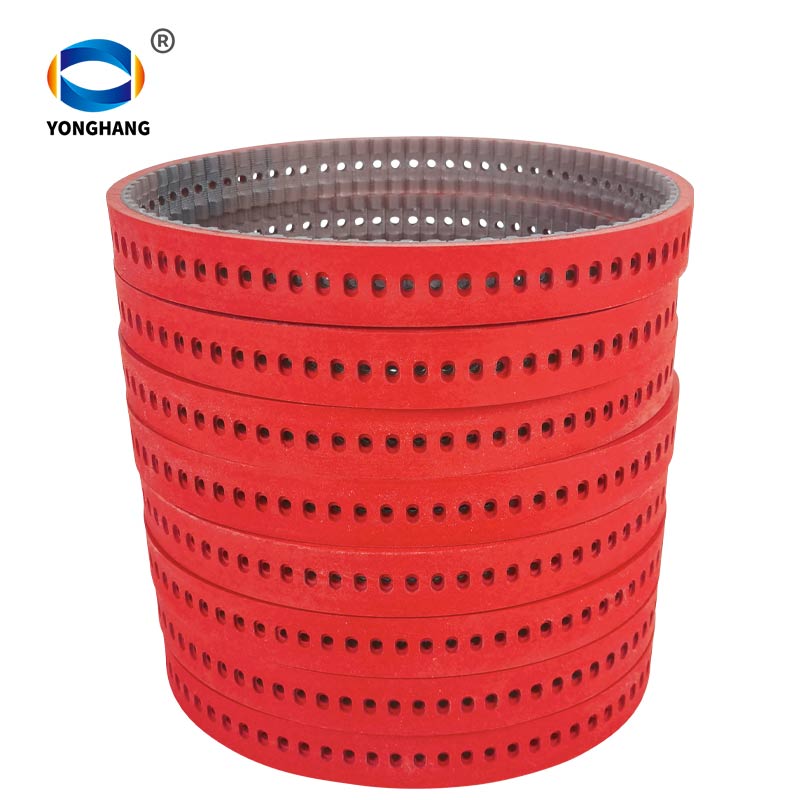
The relatively soft surface of silicone rubber, which contributes to its low noise and low friction properties, also becomes its Achilles’ heel. In environments containing metal dust or hard particles, these elements act like abrasives, embedding into or wearing down the coating. Common failure modes include tooth wear and fabric cover delamination. Once the tooth profile is compromised, transmission accuracy degrades, potentially leading to tooth skipping.
2. Overload and Impact Loading
Every synchronous belt has a designed load capacity. During frequent equipment starts, stops, or foreign object jams, the instantaneous impact force can far exceed the belt’s tolerance. Such impacts readily cause belt fractures or result in teeth being sheared off or crushed under intense shear forces.
3. Fatigue and Elongation
The load-bearing layers within the belt (e.g., glass fiber, aramid yarn) absorb tensile forces. Prolonged operation under tension causes gradual elongation and deformation of these layers, resulting in belt stretching and increased pitch. This leads to imprecise meshing between teeth and pulleys, causing interference and ultimately tooth skipping failure.
4. The Double-Edged Sword of Temperature
Although silicone exhibits a broad temperature tolerance range, prolonged exposure to extreme temperatures (e.g., sustained proximity to 250°C) causes gradual degradation of the material’s internal chemical structure. This leads to rubber hardening or softening, loss of elasticity, manifested as cracks or stickiness on the belt’s back surface, and a significant reduction in tear resistance.
5. The Hidden Damage of Chemical CorrosionDespite silicone rubber’s good chemical resistance, extreme solvents warrant caution. Prolonged immersion in incompatible chemical media causes silicone swelling and physical property degradation—a critical concern in high-cleanliness or pharmaceutical manufacturing environments.
III. Technological Advancements Extend Service Life
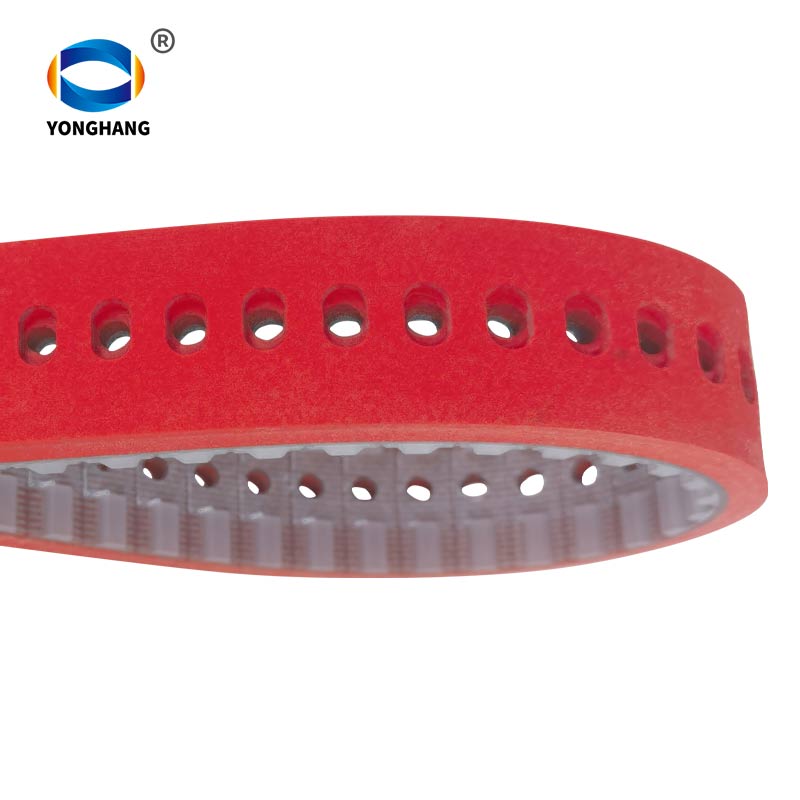
Fortunately, developments in materials science are extending the lifespan of synchronous belts. In recent years, nano-composite reinforcements have been incorporated into silicone rubber. Through the composite reinforcement of nano-carbon fibers and glass fibers, the tensile strength of silicone has been significantly enhanced. Simultaneously, surface coating technologies are evolving. Coatings like fluorinated polymers (PTFE) or ceramic particles reduce the friction coefficient on silicone surfaces and enhance resistance to particle abrasion, enabling synchronous belts to endure longer in dusty environments.
IV. How to Determine When Replacement Is Necessary?
For equipment maintenance personnel, the following signs indicate that a silicone coated timing belts service life is nearing its end:
Visual Inspection: Severe wear or chipping on the tooth surface, or through cracks on the back.
Operational Status: Sudden increase in noise during equipment operation, or the appearance of regular vibrations.Drive Accuracy: Unstable idler pulley speed, or increased positioning errors displayed by the equipment.