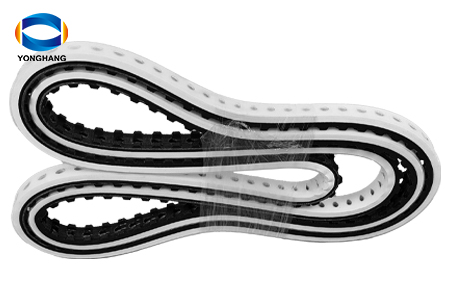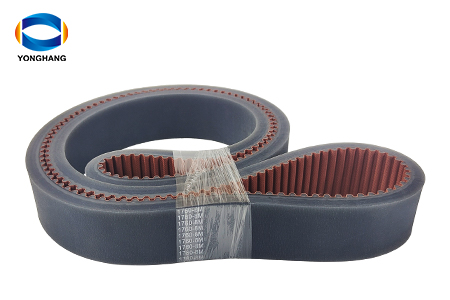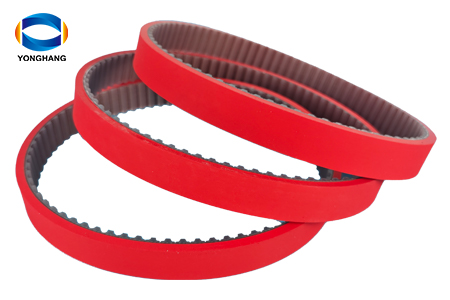
In automated production lines, silicone coated timing belts are often a prime example of “small parts, big impact.” While their unit price may seem low, over the course of a machine’s entire lifecycle, the combined costs of procurement, downtime losses, replacement frequency, and the defect rate caused by belt failures often add up to a staggering hidden expense.
Many companies focus solely on haggling over the “purchase price” while overlooking the total cost of ownership. True cost savings don’t come from buying the cheapest option, but from aligning procurement strategies with maintenance plans to maximize the value of every belt.
Below is a proven “procurement + maintenance” cost-saving solution for your reference.
I. Cost-Saving Strategies for Purchasing Silicone Coated timing Belts: Choosing the Right Product Is More Important Than Buying Cheap
“Cost-saving” during the procurement phase does not mean simply driving down suppliers’ quotes; rather, it involves reducing the total cost of ownership at the source by optimizing product selection and procurement models.
1. Precise Product Selection to Avoid “Overkill” or “Under-Specification”
Many production lines, playing it safe, tend to over-specify belt sizes, or conversely, end up with frequent replacements due to incorrect selection.
Material matching is the first hurdle. Since silicone coated timing belts are significantly more expensive than PU or PVC, standard PU timing belts are a perfectly viable choice unless the application involves high-temperature environments, anti-adhesion requirements, or direct food contact. By using silicone-coated belts only at critical workstations and downgrading to standard belts for non-critical ones, overall costs can be reduced by over 30%.
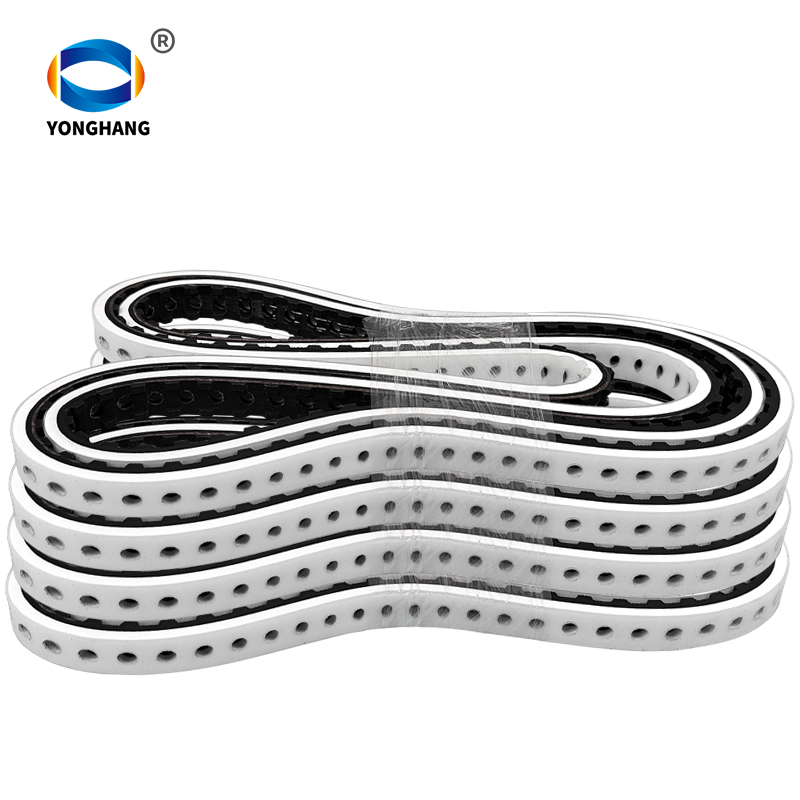
Selecting the correct configuration is equally critical. For long-stroke linear motion, choose open-end belts to avoid costly custom closed-loop mold fees for extended lengths; for short-stroke looped lines, opt for closed-loop belts to avoid the frequent manual intervention required for joint maintenance with open-end belts. Choosing the right configuration is, in itself, the biggest cost-saver.
2. Standardization and Centralized Procurement
Many factories maintain multiple timing belt specifications internally, with small inventory quantities for each, resulting in high unit prices and high management costs.
Standardizing specifications is an effective solution. When purchasing new equipment or retrofitting existing lines, insist that the design department standardize the tooth profile, width, and silicone thickness. The more concentrated the specifications, the larger the purchase volume, and the greater the room for negotiation.
Additionally, for commonly used specifications with stable demand, consider signing annual framework agreements with reputable suppliers to lock in prices and delivery times. This approach avoids the high costs associated with ad-hoc purchasing and eliminates the extra fees incurred by rush orders.
3. Focus on the Quality of “Seams/Joints” Rather Than Simply Comparing Prices
For closed-loop silicone coated timing belts, the splicing process directly determines their service life. Low-cost belts often use simple butt-joining, which results in seam cracking and silicone peeling after a few months of operation; frequent replacements end up being more expensive.
The key to saving money lies in selecting suppliers with proven splicing techniques. When purchasing, explicitly request that the supplier specify the splicing method—such as step splicing or mold vulcanization—and establish a warranty period. Even if the unit price is 20% higher, the overall cost will be lower if the service life is 3 to 5 times longer than that of inferior products.
4. Establishing a Reasonable Safety Stock Level
Inventory is a cost, but stockouts are also a cost. The key is to find the right balance.
Calculate the minimum safety stock level based on belt replacement frequency. For commonly used, high-wear specifications, maintain a stock of two or three belts to avoid the high costs of a complete production line shutdown caused by a broken belt. For non-standard or long-lead-time specifications, stock up in advance. The cost of a single emergency air shipment often exceeds the value of the belt itself by several times.
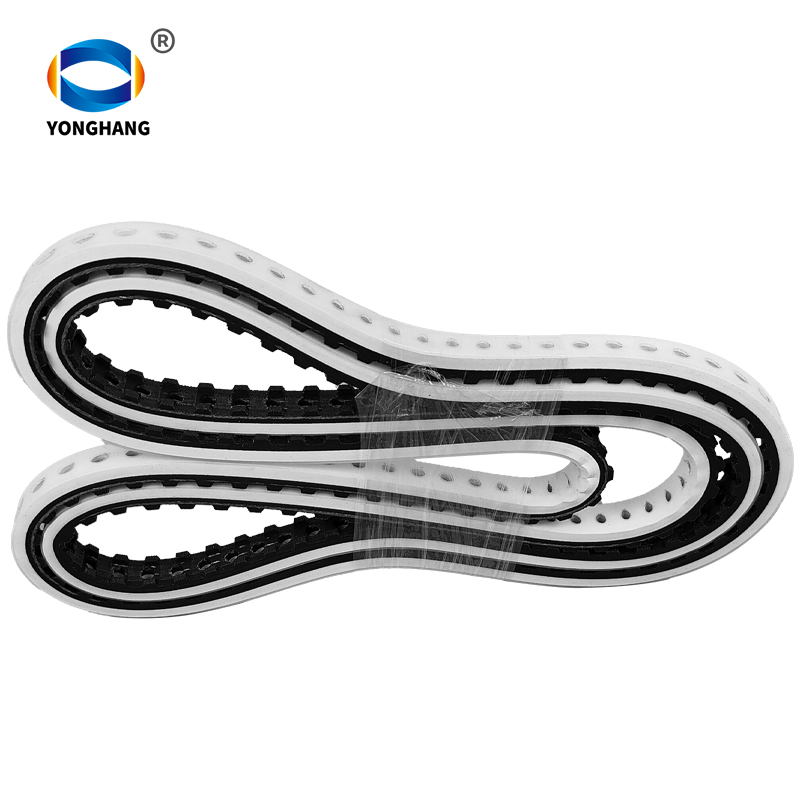
II. Cost-Saving Strategies During the Maintenance Phase: Proper Use Is More Important Than Buying More
Purchasing accounts for only 30% of the work; the remaining 70% of cost control lies in daily use and maintenance. Proper maintenance can extend the service life of a belt by more than 50%.
1. Tension Management: The Most Overlooked “Lifespan Killer”
More than 70% of the damage to silicone coated timing belts is not due to quality issues, but rather improper tension. Excessive slack causes tooth skipping and slippage, instantly wearing down the tooth profile and leading to misalignment; excessive tension accelerates pulley bearing wear, tears the tensile layer, and causes internal belt fractures.
The cost-saving approach is simple: equip yourself with a basic belt tension meter and calibrate it strictly according to the tension values provided by the supplier every quarter or after each belt replacement. A tension gauge costing just a few hundred yuan can prevent thousands of yuan in belt wear and downtime losses.
2. Cleaning and Maintenance: Preserving the Silicone Coating’s “Non-Stick” Properties
The core value of silicone coated timing belts lies in their ability to prevent foreign material adhesion. However, if oil, dust, or high-temperature carbon deposits accumulate on the surface over time, the coating will age and crack prematurely.
Establish a daily cleaning routine. Use a soft-bristle brush or alcohol wipes to regularly wipe the belt surface, and avoid scraping off deposits with sharp tools. Keeping the belt clean helps maintain the silicone coating’s anti-adhesive properties for longer, reducing defective products caused by material adhesion.
3. Alignment Inspection of Pulleys and Bearings
Misalignment of silicone coated timing belts is the primary cause of edge wear and tearing. Inspect the pulleys every six months to ensure they are in the same plane and check the pulley bearings for wear and play.
If you notice severe wear on one side of the belt, do not rush to replace the belt; check the pulleys and bearings first. The cost of replacing a pair of bearings is far lower than the cost of frequent belt replacements.
4. Establish a “Belt Health Record” for Silicone-Coated Timing Belts
For critical workstations, it is recommended to maintain a simple replacement log. Record the date of each belt replacement, duration of use, and the nature of the damage—such as breakage, wear, or silicone peeling.Through data analysis, determine the actual service life of the belts. If a particular belt consistently fails prematurely, it indicates a design or installation issue with the equipment, such as an incorrectly positioned tensioner pulley or excessive ambient temperature. Only by addressing the root cause can belt consumption be effectively reduced.
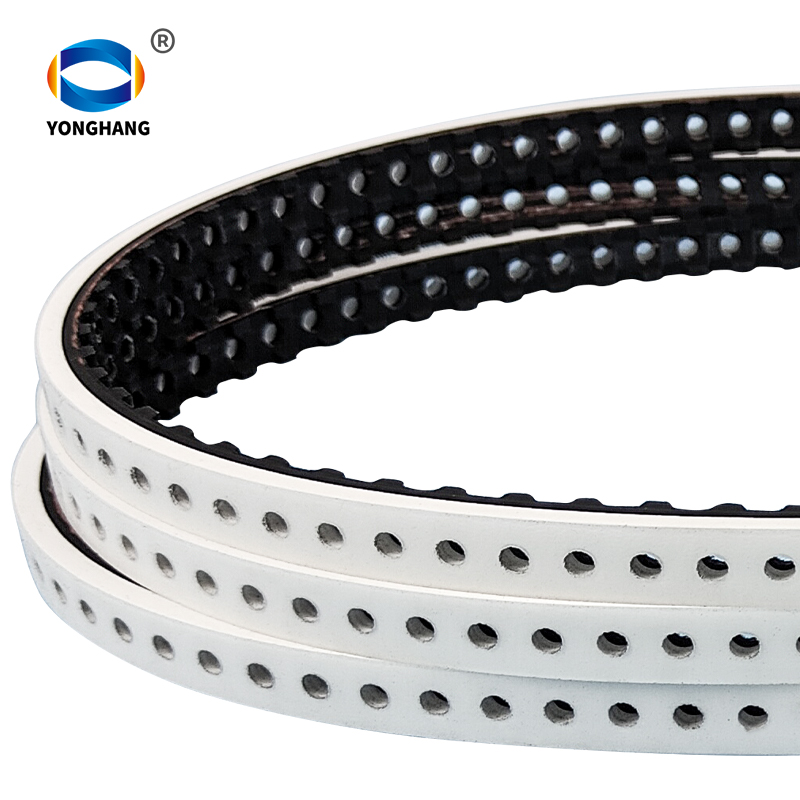
III. Integrated Approach: Linking “Procurement” and “Maintenance”
True cost savings come from creating a closed-loop system between procurement and maintenance.
On the procurement side, the key actions include standardizing specifications, centralizing purchases, selecting high-quality splicing techniques rather than simply comparing prices, and signing annual framework agreements with suppliers to lock in prices. This approach reduces per-purchase costs and inventory costs; more importantly, it minimizes the frequency of replacements caused by low-quality belts.
On the maintenance side, the key actions include regularly calibrating tension to avoid belts being too loose or too tight, keeping the surface clean to prevent silicone aging, and periodically inspecting pulley alignment and bearing condition. The goal of these measures is to extend the service life of each belt, reduce unplanned downtime, and lower labor costs associated with replacements.
The key to truly integrating these two processes lies in using maintenance data to inform procurement decisions. If belts of a certain specification consistently fail due to joint fractures, the next procurement order should require the supplier to upgrade their splicing process. Additionally, technical value can be factored into procurement decisions by requiring high-quality suppliers to provide on-site tension adjustment services or training, thereby involving them in the maintenance process. This creates a data-driven cycle of cost optimization, prevents repeated mistakes, and achieves long-term cost reduction.