On modern sausage production lines, seamless coordination is critical at every stage
from conveying raw meat paste and precise filling to guiding casings into shape. A key component enabling this coordinated mechanical operation is the sausage machine belt. Though not directly involved in food processing, it serves as the unsung hero ensuring continuous, efficient, and safe production line operation.
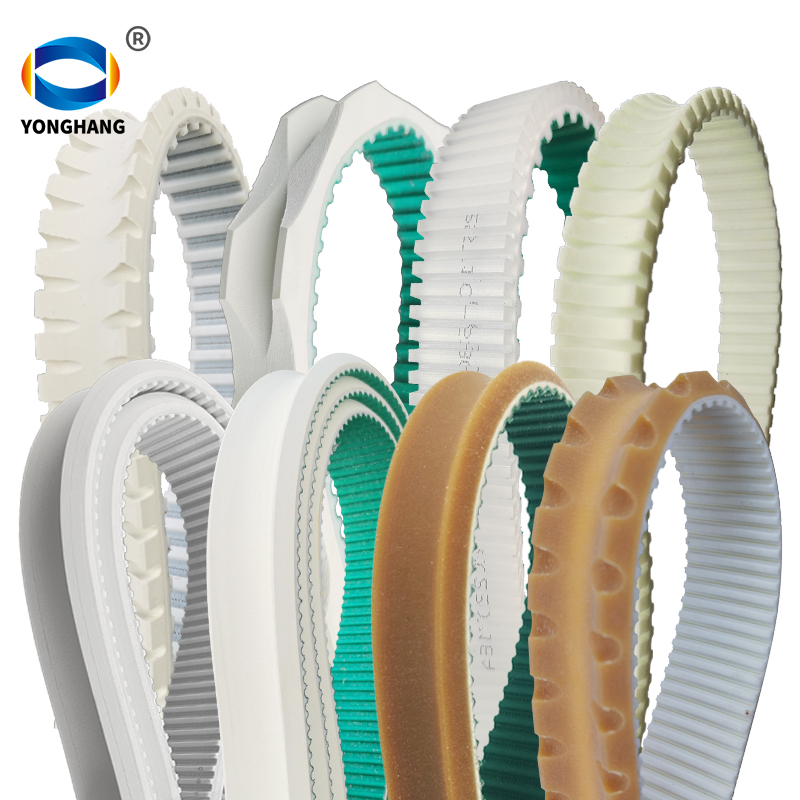
I. Core Role: More Than Just“A Belt”
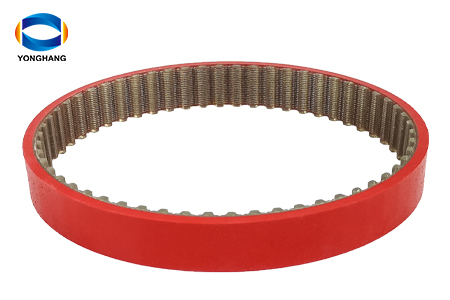
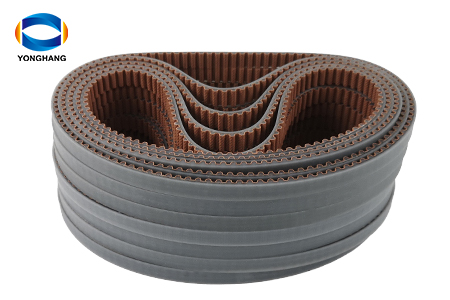
Sausage machine belts are not a single standardized product but rather a collective term for various specialized belts used for transmission, conveying, or traction functions within sausage (filling) processing equipment. Based on their position and function within the equipment, they are primarily categorized as follows:
Main Drive Timing Belt:
Position & Function: Typically positioned between the equipment’s power source (motor) and core working components (e.g., pump body, cutting device).Role: Precisely transmits power and motion to ensure consistent filling volume and accurate cutting length. For instance, in continuous filling machines, it synchronously drives the rotation of plunger pumps or gear pumps, enabling stable, metered output of meat paste. Its synchronization accuracy directly determines the weight consistency of each sausage section.
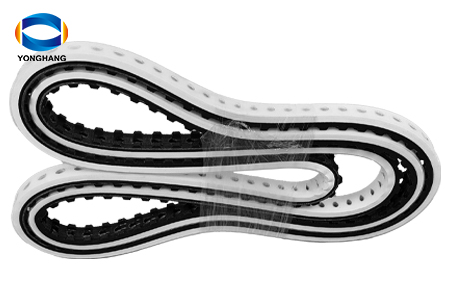
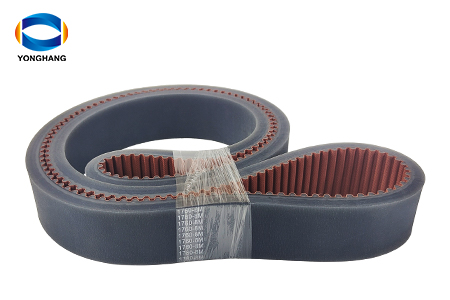
Conveying and Traction Belts:
Location and Function: Widely used in material conveying platforms, casing traction mechanisms, sausage transfer belts, etc.
Functions:
Material Conveying: Smoothly transports minced meat from preceding processes to the filling nozzle area.
Casing Traction: In automated filling systems, gently pulls collagen or natural casings to synchronize their movement with the filling process, preventing wrinkles or breaks.
Finished Product Transfer: After initial shaping of filled sausages, gently conveys them to subsequent processes (e.g., knotting, hanging, smoking).
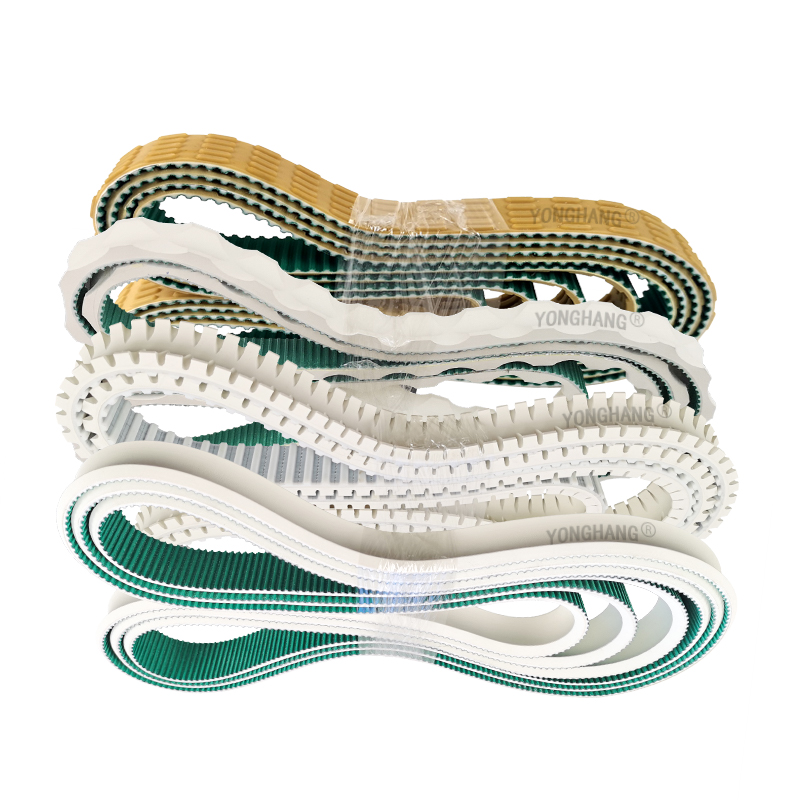
II. sausage machine belts Stringent Requirements: Designed for Food Safety and Efficient Production
Due to direct or indirect contact with food production environments, sausage machine belts must meet a series of standards far exceeding those of ordinary industrial belts:
Food-Grade Safety Certification: Materials must comply with food contact standards set by international authorities such as the FDA (U.S. Food and Drug Administration), EU (European Union), or NSF (National Sanitation Foundation). This ensures tastelessness, non-toxicity, and no migration of harmful substances—even if minute abrasion particles occur, they will not contaminate food.
Exceptional Physical Properties:
Oil and Fat Resistance: Capable of withstanding prolonged exposure to animal fats and cleaning agents without deformation or degradation.
Abrasion and Tear Resistance: Withstands continuous friction from meat paste and casings, along with potential mechanical impacts.
Dimensional Stability: Maintains consistent length and shape in humid, temperature-varying workshop environments, preventing transmission inaccuracies or misalignment due to expansion/contraction.Easy-Clean Design: Features a smooth, dense surface that resists meat residue and grease buildup, facilitating rapid cleaning and sterilization to meet food production hygiene standards.
Precision Functional Design:
Drive belts require high-precision tooth profiles to achieve slip-free synchronization.Conveyor belts may feature specialized patterns or materials (e.g., food-grade PVC, PU, silicone) to provide optimal friction, ensuring smooth movement of casings or sausages without slippage or damage.
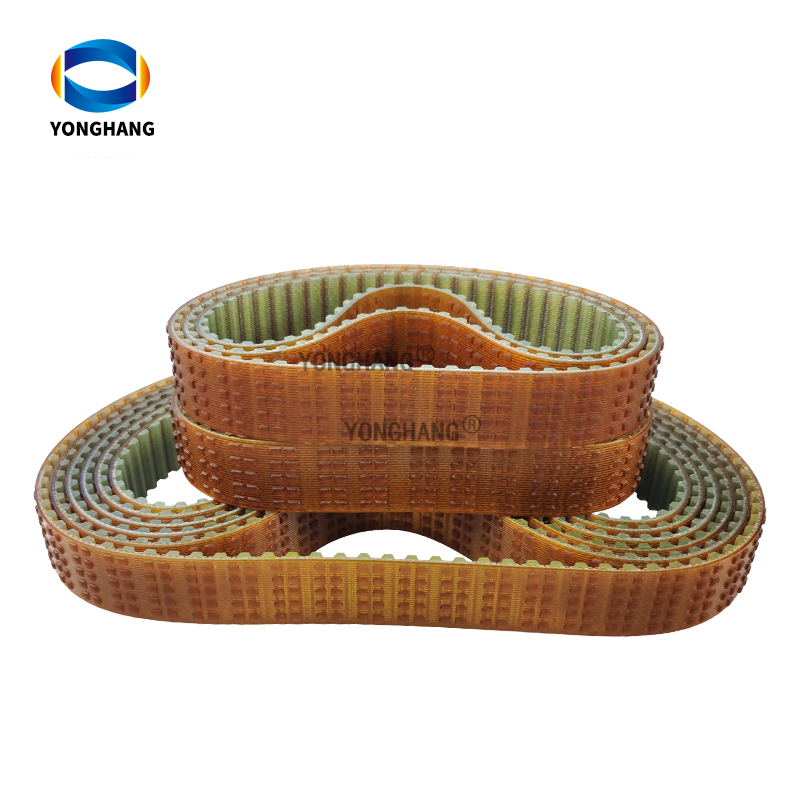
III. Selection, Maintenance, and Common Issues
Proper selection and maintenance are crucial for ensuring smooth production and extending belt lifespan.
Scientific Selection: Select appropriate belt material (e.g., polyurethane, neoprene, premium synthetic rubber), structure (timing belts, flat belts, modular conveyor belts), and dimensions based on equipment model, transmitted power/torque, operating speed, contact medium type (oil, water, acids/alkalis), operating temperature, and hygiene requirements.
Precision Maintenance:
Tension Adjustment: Regularly inspect and adjust to proper tension. Excessive slack causes slippage and tooth skipping; excessive tightness accelerates wear.
Alignment Calibration: Ensure all pulleys are parallel to prevent belt misalignment and edge wear.
Cleaning and Inspection: Thoroughly clean after daily production to remove oil residue and debris; regularly inspect belts for cracks, wear, permanent deformation, or tooth damage.
Proper Installation: Avoid using sharp tools during installation to prevent damage to internal cords.
sausage machine belts Common Failures and Impacts:
Slippage or tooth skipping: Causes inaccurate filling volumes and inconsistent sausage lengths, leading to raw material waste and product quality fluctuations.
Breakage or severe wear: Triggers unexpected downtime, disrupting production schedules.
Permanent elongation or deformation: Prevents equipment from maintaining preset speeds and precision, reducing overall efficiency.Material degradation: Surface becomes sticky, cracked, or hardened, impairing conveying effectiveness and posing hygiene risks.