
Service is our priority
Provide professional knowledge
With our unique, holistic approach, we are always one step ahead. As a transmission belt provider, customer satisfaction is our top priority, which is why we offer an individual and detailed analysis of your requirements. Combined with our expert after-sales support, you will be able to significantly improve the quality and seamless operation of your production. Let our expertise convince you! We are at your service – worldwide
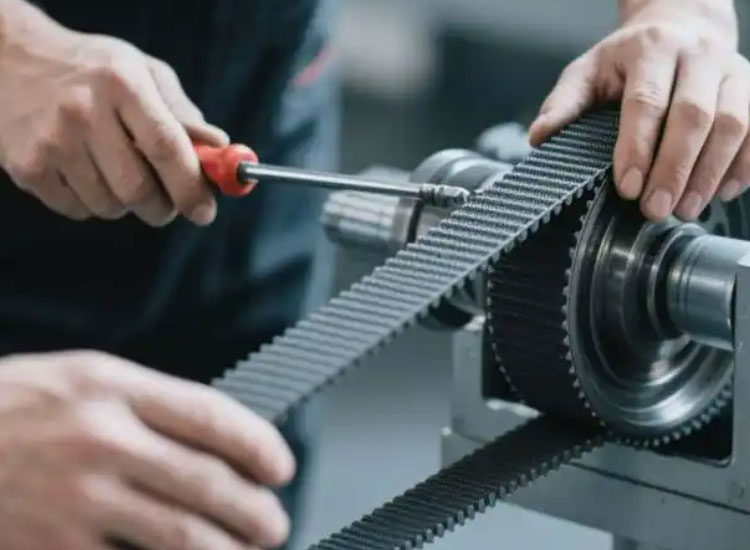
Make the machinery never stop rotating
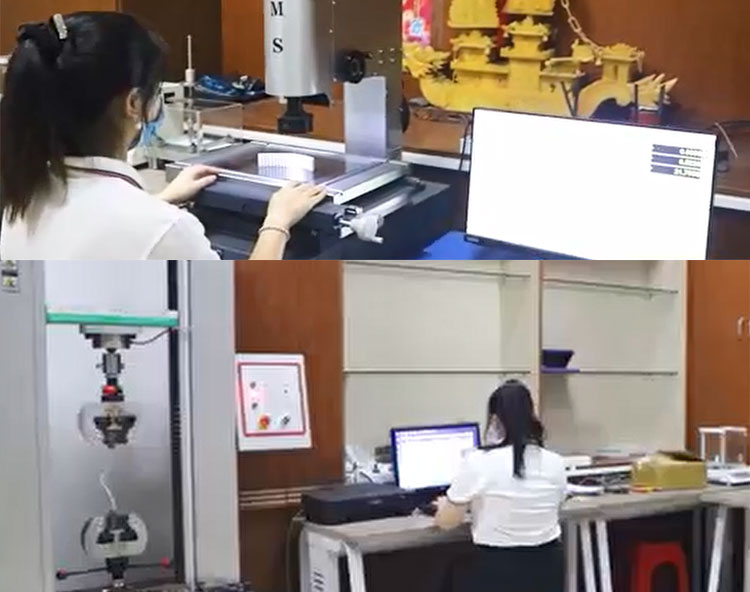
Highly Trained and Skilled Engineers and Technicians
Advanced Product Technology
Supportive Information Systems
Efficient Manufacturing Capabilities
Maintaining Mutually Beneficial Relationships with Customers and Raw Material Suppliers
Continuously grow together with our customers
To become a global supplier of mechanical transmission belt solutions with assets exceeding 10 billion yuan
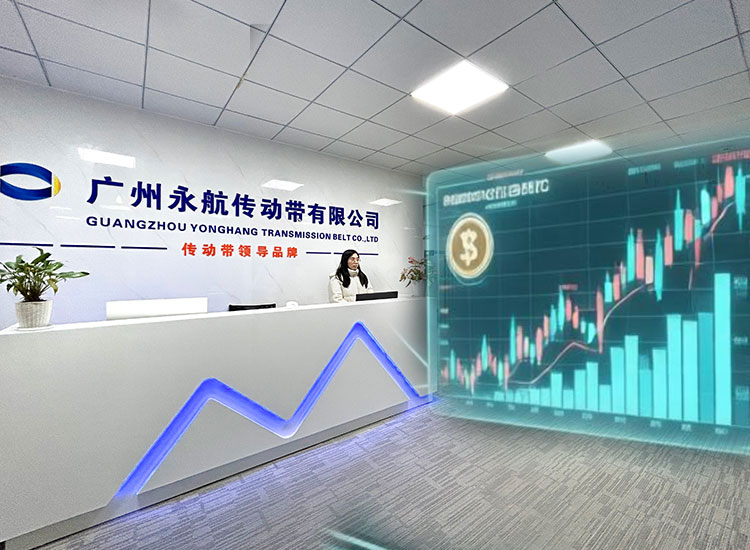
20 Years of Excellence | Solid Foundation for Global Partnership
Modern factories and production lines
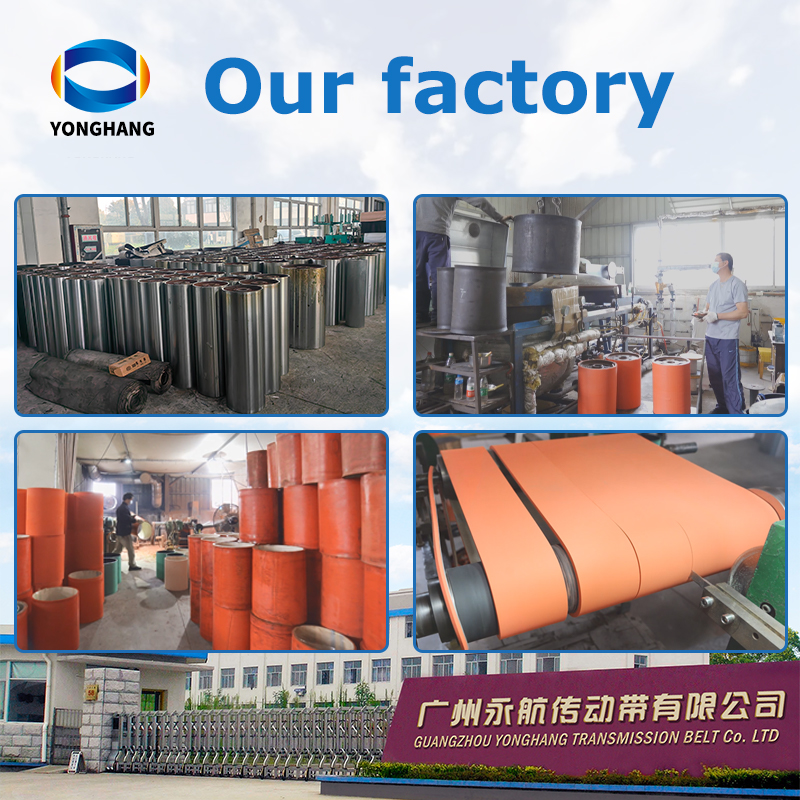
Advanced production workshops,
rubber belts – factory
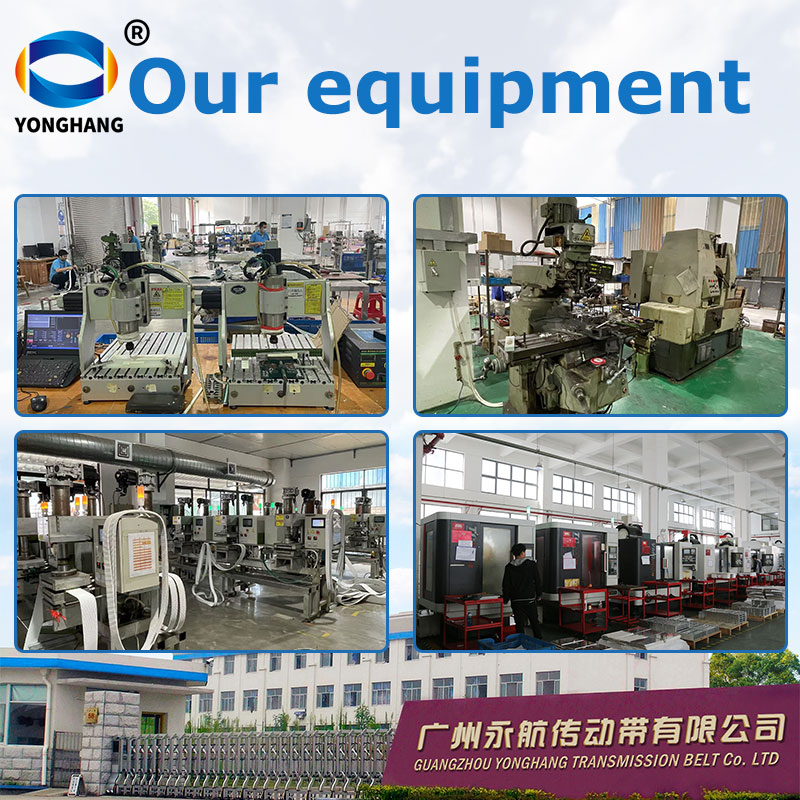
automated assembly lines
timing belts factory
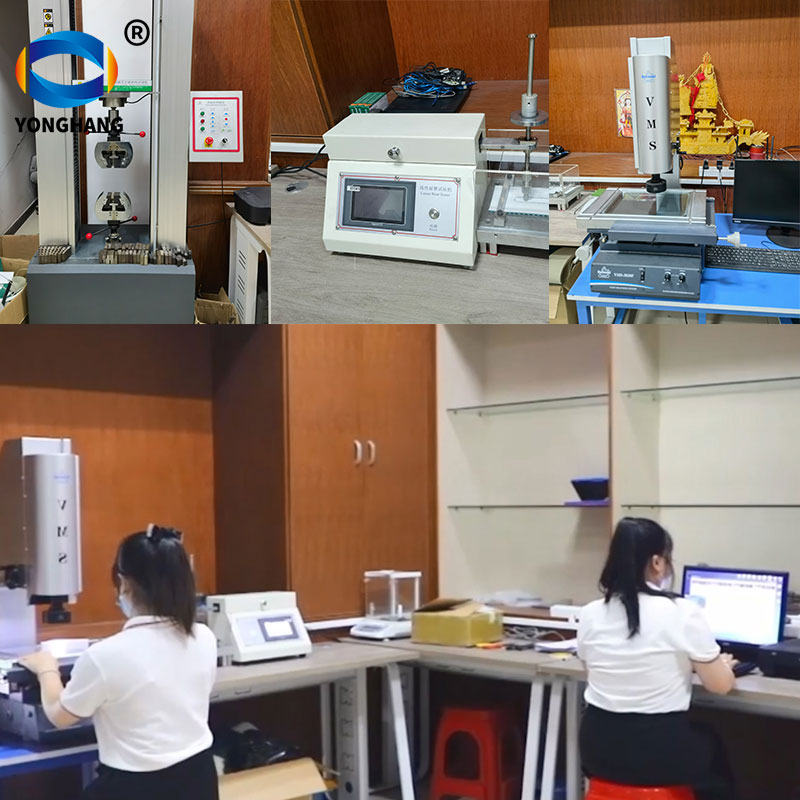
research and development laboratories
Tests for various transmission belts are conducted here.
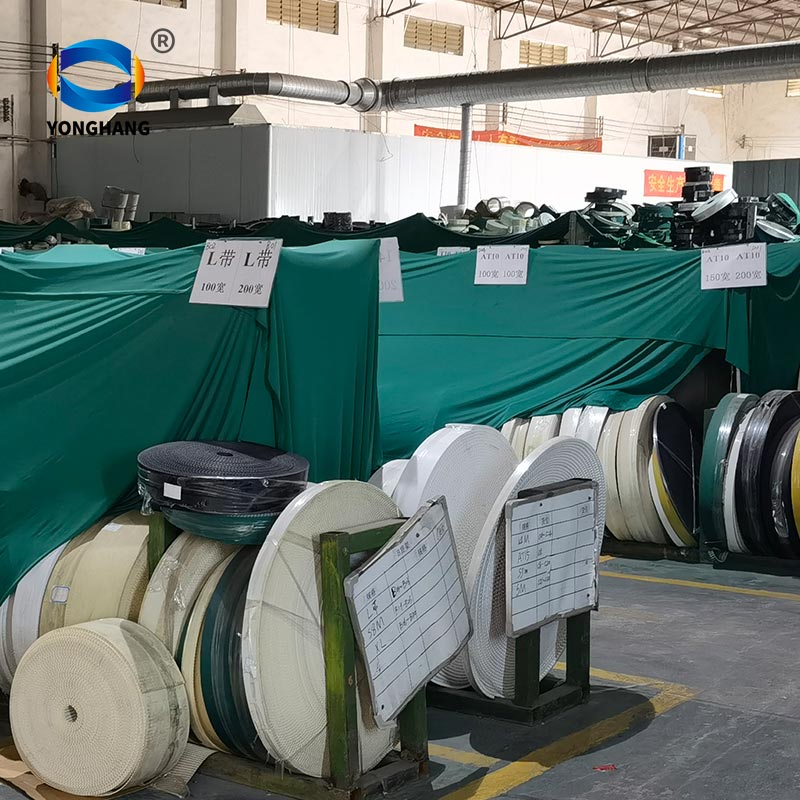
neatly arranged finished product warehouses
There are various transmission belts finished product warehouses. This is one of the PU timing belt warehouses.
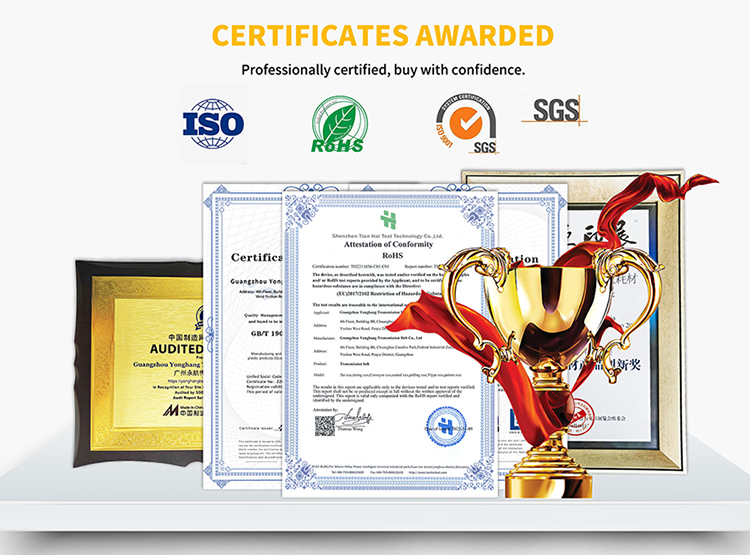
Our certificates
Hosh FDA, CE, EU, and ISO 9001 certifications
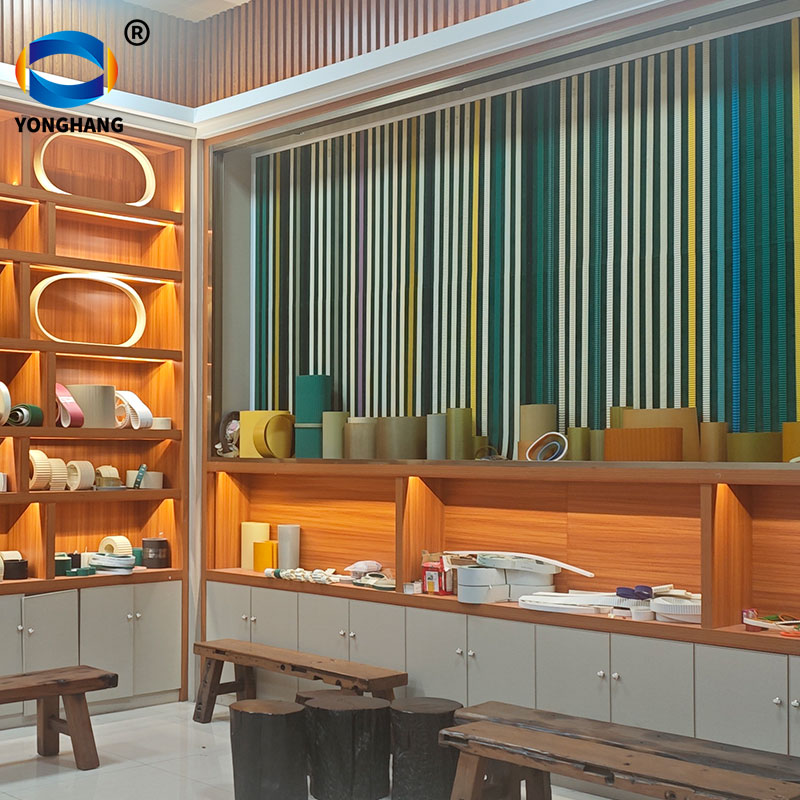
sample room
Our sample room is 1,000 square meters. It includes samples of PVC/PU conveyor belts, rubber conveyor belts, modular conveyor belts, various synchronous belts, as well as coating materials.
Our footprints
The total number of transmission belts production can circle the entire earth and reach over 100 countries.

What can we offer?
Wholesale of transmission belt coiled materials, transmission belt production equipment, and finished product transmission belts for various industries
three factories in China
automated production equipment
Industry application solution
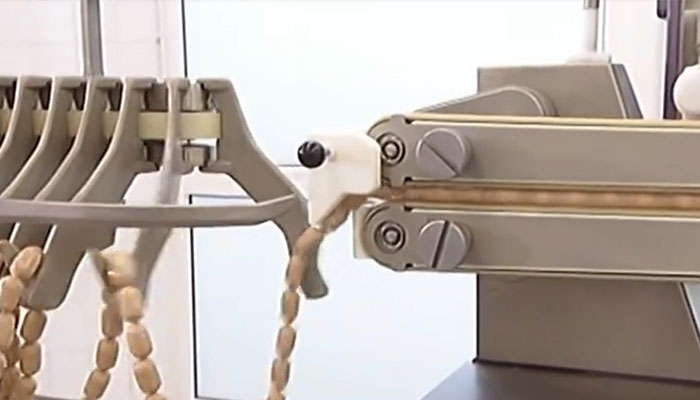
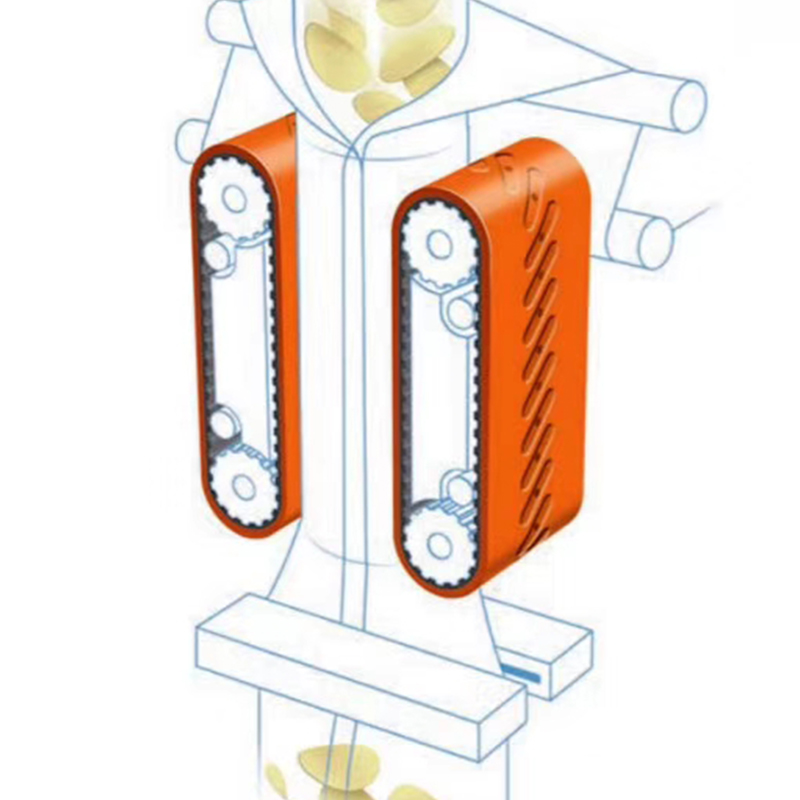
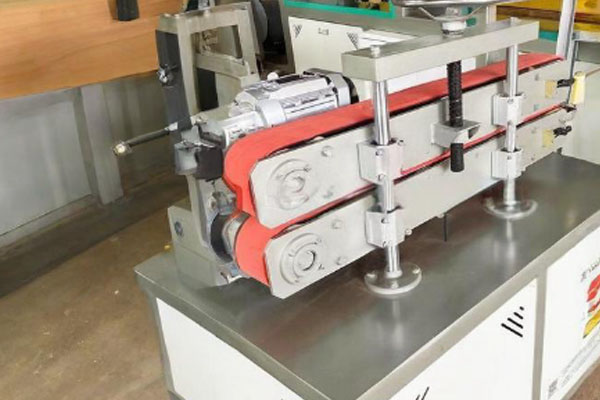
Successful application cases and solutions in various industries such as food processing, mining, logistics transportation, agricultural machinery, and textile machinery
contact us
Wish to speak with someone right away? Simply call and speak to one of our knowledgeable NO.01 Cindy experts. They will be able to begin engineering a belt that suits your needs quickly and professionally.
Tel: +86-020-84898802
Fax: +86-020-84898803
Phone: +86 19864737116
Email: sales@yonghang-belt.com
FAQ
How to determine if a transmission belt needs replacement?
It is necessary to integrate visual inspection, performance testing, and preventive maintenance.
Visual Inspection (Performed During Shutdown)
racks: Fine, uniform lateral cracks indicate normal aging. However, if deep transverse cracks reaching the fabric plies, longitudinal tears, or severe cracking appear, immediate replacement is required.
Wear:
Top Wear: Replacement is necessary when wear exposes the internal fabric plies or cord core.
Side Wear: “Beveled edges” or “uneven wear” indicate pulley misalignment requiring correction before belt replacement.
Contamination & Damage: Inspect for oil contamination, chemical corrosion causing rubber swelling/sticking, or edge/backing damage.
2. Performance Testing (Operational Considerations)
Tension Test: Measure using a professional tension gauge. Manual pressure test is for reference only: Apply moderate pressure at the belt’s midpoint; deflection should fall within specified limits (typically ~1.6mm deflection per 100mm center distance).
Alignment Check: Use a laser alignment tool or straightedge to verify all pulleys are in the same plane. Misalignment is a primary cause of abnormal wear and vibration.
Length Consistency (for multi-belt drives): Apply equal tension to each belt using a spring scale and compare elongation. Length variation should not exceed 1/200.
What precautions should be taken when storing transmission belts in different climatic environments?
Please refer to the transmission Belt Storage and Maintenance Guide.