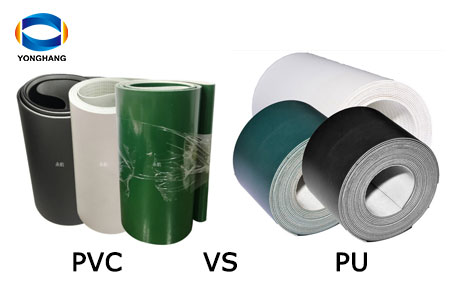
No matter what you’re moving, minimizing downtime and maximizing output are always top priorities—and they can be significantly affected by the way you splice your conveyor belts. Most belt conveyor operations rely on one or both common methods of splicing: mechanical belt fastening or vulcanization.
Conveyor Belt Mechanical Fasteners VS Vulcanization
Conveyor Belt Mechanical Fastener is the process of joining conveyor belt ends by metal hinges or plates. Vulcanization is the process of joining belt ends through heat or chemicals.
The vulcanization of heavy-duty conveyor belts – whether hot or cold—is a time-consuming process that requires special skills, expensive equipment, extreme accuracy in the cutting and stripping of belt ends, and a thorough knowledge of solvents, bonding materials, and compatible cover and fill materials.
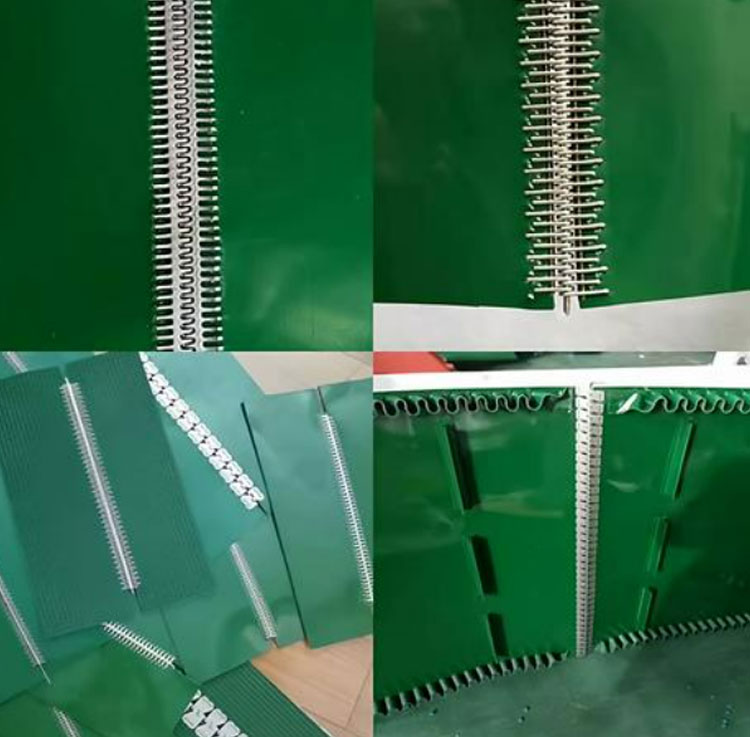
Conveyor Belt Mechanical Fastener involves the use of mechanical fasteners (also called conveyor belt lacing). belt Mechanical fasteners combine strength and durability with affordability and easy installation
Introduction
Mechanical fasteners provide a quick and reliable method for joining conveyor belt ends, offering advantages in installation speed and cost-effectiveness compared to vulcanization methods. This guide outlines best practices for installing mechanical fasteners to ensure optimal performance and longevity of your conveyor system.
Pre-Installation Preparation
Materials and Tools Required
- Mechanical fastener kit (typically includes plates, rivets, and clips)
- Belt cutting tool
- Punching tool (for creating fastener holes)
- Rivet gun or hammer
- Measuring tape
- Safety equipment (gloves, goggles)
Belt Preparation
- Measure and Cut: Accurately measure the belt length needed and cut the belt ends square using a sharp cutting tool. Ensure clean cuts to prevent uneven stress distribution.
- Punch Holes: Use the punching tool to create holes at the belt ends where the fasteners will be installed. Hole spacing and alignment must be precise to match the fastener design.
How to install a mechanical fastener yourself with only a hammer?
Here’s a quick method
If you’ve never done this before, watch the video below. We’ll show you how to install a belt fastener in just three minutes.
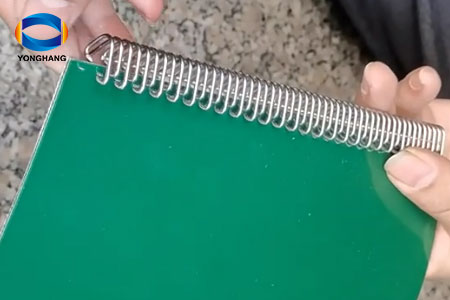
However, there is one situation where we need to use machines: heavy-duty conveyor belts. The belt is too thick; the steel buckle on the machine’s fasteners can’t be broken through manually, so we need to use tools.
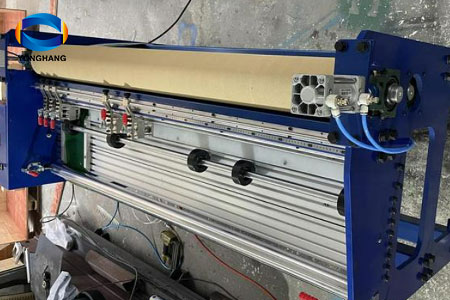
When would you need a mechanical fastener installation machine?
When you need to mass-produce finished conveyor belts, or if you’re a rubber conveyor belt distributor and have never done this yourself before, please watch this video carefully. This is a machine for punching holes and installing fasteners. It comes in various sizes—use the small machine for small fasteners, which are very affordable. For large belts 2-3 meters wide, use the 2-3 meter machine. Naturally, larger machines cost more than smaller ones.
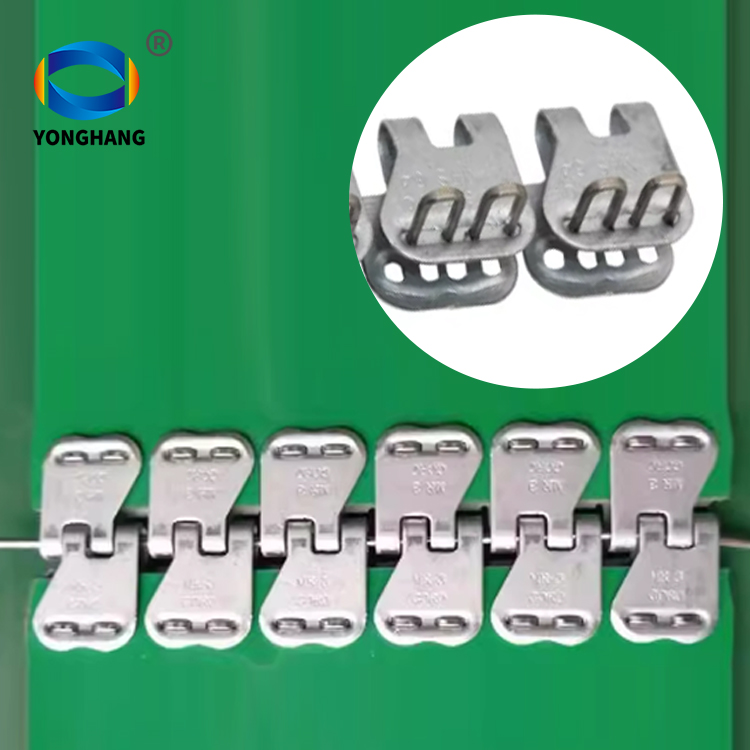
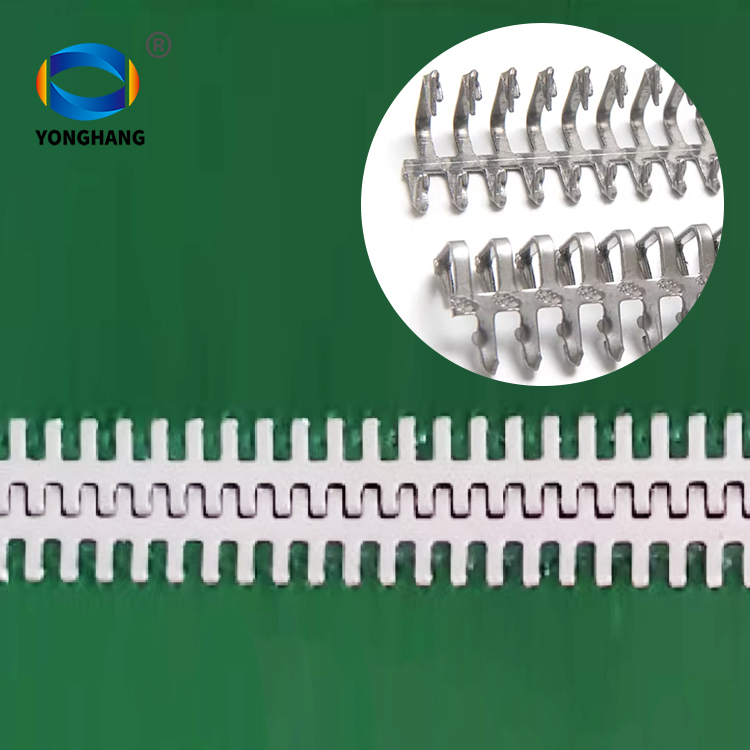
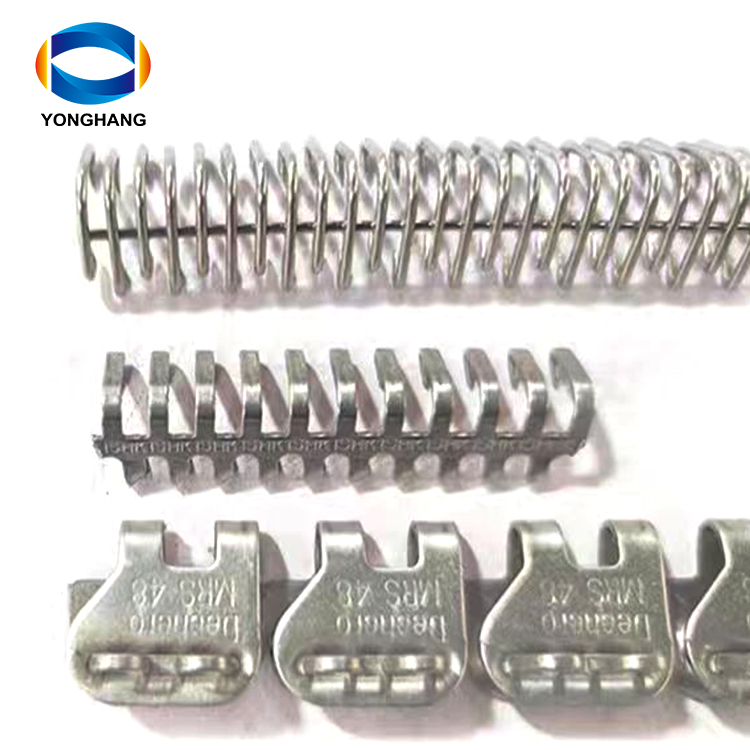
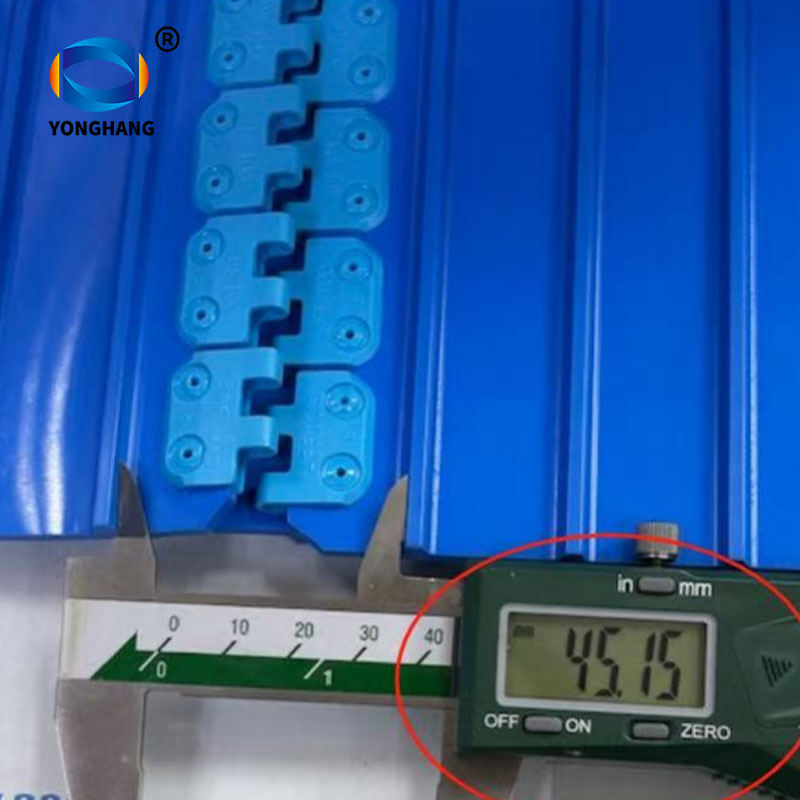
How many types of mechanical fasteners are there for belts?
We have different varieties, including length, width, and so on.

Step-by-Step Installation Process
Step 1: Align Belt Ends
- Place the belt ends together in the desired joining position. Ensure the ends are aligned perfectly to avoid tracking issues during operation.
- Use alignment tools or markings to maintain symmetry.
Step 2: Insert Fastener Components
- Attach the fastener plates to both belt ends. Typically, one plate is placed on the top side and another on the bottom side of the belt.
- Insert rivets through the pre-punched holes in the belt and fastener plates. Ensure rivets are positioned according to the manufacturer’s specifications.
Step 3: Secure Fasteners
- Use a rivet gun or hammer to secure the rivets. Apply consistent pressure to ensure each rivet is fully set and flush with the fastener surface.
- Check for any loose components after riveting; tighten as necessary.
Step 4: Test Alignment and Tension
- After installation, manually rotate the belt to check for smooth movement and proper alignment with the conveyor frame.
- Adjust tension if needed to prevent slippage or excessive strain on the motor and bearings. Avoid over-tensioning, which can reduce belt lifespan.
Post-Installation Checks
Initial Operation
- Run the conveyor at low speed initially to observe belt tracking and fastener performance. Look for any signs of misalignment or unusual wear.
- Gradually increase speed to operational levels while monitoring for vibrations or noise.
Maintenance Tips
- Regular Inspections: Periodically check fasteners for loosening or wear, especially after heavy use or exposure to harsh conditions.
- Cleaning: Keep the belt and fasteners clean from debris to prevent buildup that could affect alignment or cause damage.
- Tension Monitoring: Maintain optimal tension to ensure efficient operation and minimize energy consumption.
Troubleshooting Common Issues
- Belt Slippage: If slippage occurs, check tension levels and adjust accordingly. Ensure pulleys and rollers are clean and free from contaminants.
- Misalignment: Correct alignment by adjusting idlers or pulleys. Use tracking techniques such as observing belt movement at low speed and making incremental adjustments.
Fastener Failure: If fasteners show signs of wear or breakage, replace them promptly to avoid system downtime. Choose fasteners that match the belt material and operational demands.