Problem Alert: Is Your Timing Belt Equipment Sending These “Distress Signals”?
When approaching production lines or equipment, be alert if you hear the following sounds or feel abnormal vibrations:
High-pitched squealing: A sharp, grating friction noise during startup or load changes.
Regular “clicking” or “clapping” sounds: Irregular noises synchronized with rotational speed.
Persistent humming or rumbling: Low-pitched, discordant background noise during operation.
Noticeable overall or localized shaking: Cyclic vibrations detectable by hand on frames, motors, or driven components.These phenomena aren’t merely noise pollution—they’re clear warnings of deteriorating health in your equipment’s transmission systems.
Why does aging of timing belts cause noise and vibration?
As the “link” in power transmission, timing belts become sources of vibration and noise when in poor condition:
Wear and poor meshing:
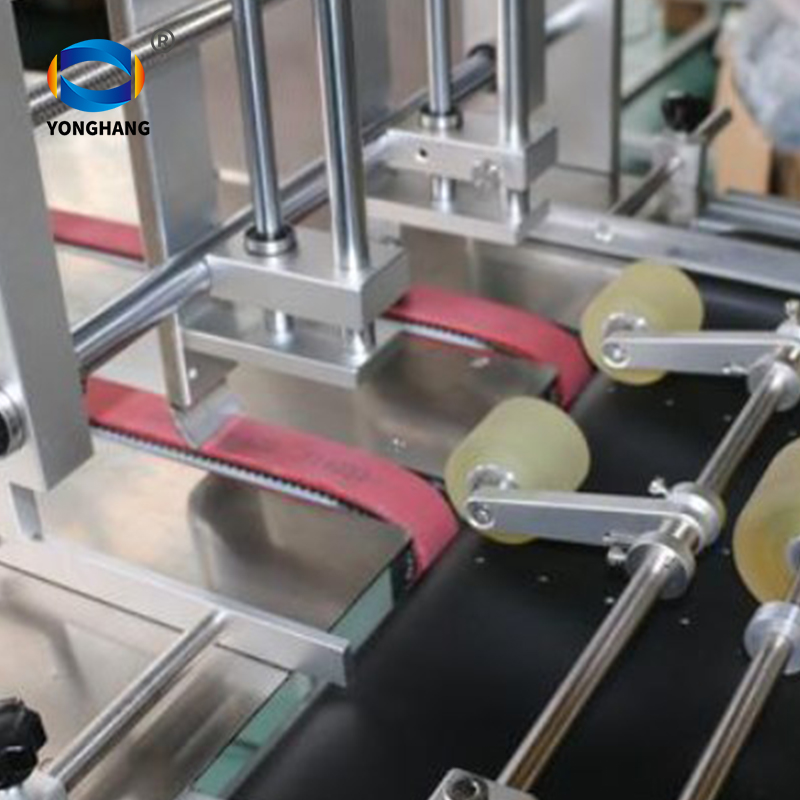
Tooth profile wear: Worn-down teeth fail to mesh tightly with pulley grooves, causing tooth skipping and impact, producing a “clacking” sound.
Covering Damage: When the nylon cover wears away, the underlying rubber/polyurethane directly rubs against the pulley, producing a high-pitched squeal.
Hardening: Aging causes the material to lose elasticity, failing to absorb minor impacts and vibrations.
Loss of Dimensional Stability:
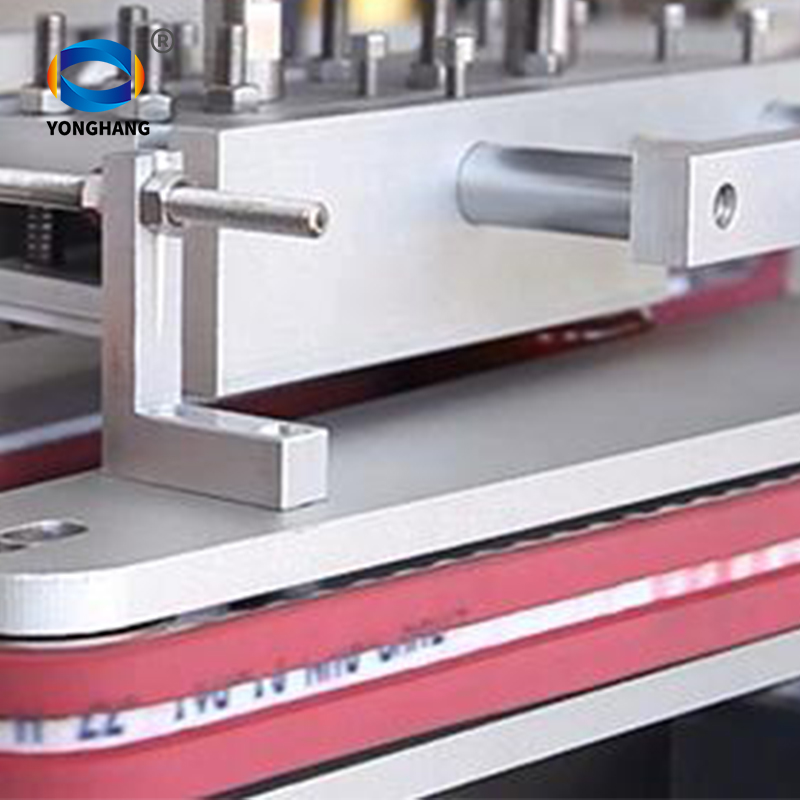
Excessive Elongation: After the tensile layer fatigues, the belt stretches, leading to insufficient tension and resulting in slippage and vibration.
Uneven Length: Inconsistent elongation across sections causes unstable transmission and periodic fluctuations.
Damage and Misalignment:
Cracks, Missing Teeth, or Delamination: Result in sudden transmission interruptions and severe impacts.Belt Misalignment: Uneven wear or installation issues cause the belt’s sides to strike the sidewalls, producing abnormal noises and additional vibrations.
Action Guide: What to Do When timing belts Issues Arise?
If self-inspection reveals obvious problems, don’t hesitate!
Plan replacement immediately: Continuing operation in poor condition can cause chain damage to expensive pulleys, bearings, or even motors and spindles, leading to sharply increased repair costs.
Select Replacement Parts Correctly:
Never purchase based solely on the appearance of the old belt! Always record the timing belt’s complete model number, tooth count, and width (e.g., 840-8M-30).
If operating conditions change (e.g., increased load, oily environment), consult technical personnel. Material or model upgrades may be necessary (e.g., switching from rubber to polyurethane).
Professional Installation is Critical:
Ensure both pulleys are strictly parallel with aligned shaft centers.
Use a tension gauge or apply experience to tension correctly per manufacturer’s recommended values (over-tensioning or under-tensioning is harmful).
After installation, manually rotate the pulleys several times to verify smooth meshing before energizing for trial operation.