What are the types of (synchronous) timing belts?
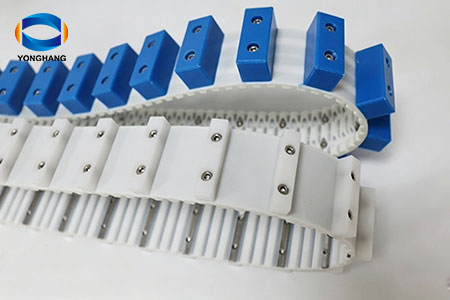
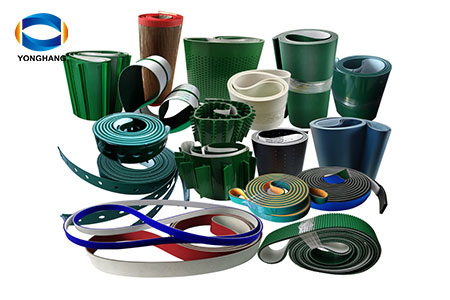
Timing bels also known as the synchronous belt.It has different types. For example, the arc-shaped teeth have the HTD STD RPP series tooth profiles, T-shaped teeth have such as MXL, XL, H, T5, T10, etc. There are also many self-tracking series of PU timing belts, such as the ATK BATK series and the crescent-shaped, herringbone tooth and food grade series products. The materials can be divided into three categories: silicone timing belts, PU(Polyurethane)timing belts, rubber timing belts and PE timing belts.These types of belts are all commonly used for power transmission and precise synchronization in various applications, but they differ significantly in terms of materials, performance characteristics, and ideal use cases.
1. Silicone timing(Synchronous)Belts
Material:
Made from Silicone: Silicone timing(Synchronous)Belts are constructed with a high-quality silicone, which provides excellent heat and temperature resistance.
Key Features:
Heat Resistance: Silicone belts can withstand extreme temperatures (typically from -50°C to +220°C or higher), making them ideal for high-temperature environments.
Chemical Resistance: They offer good resistance to oils, fats, and many chemicals, though they are not as resistant to wear and tear as some other materials.
Flexibility: Silicone belts are very flexible and maintain their elasticity even under varying loads.
Durability: These belts have a relatively longer service life in high-temperature environments but are not as abrasion-resistant as rubber or PU timing belts.
Low Friction: Silicone belts generally offer smooth operation with lower noise.
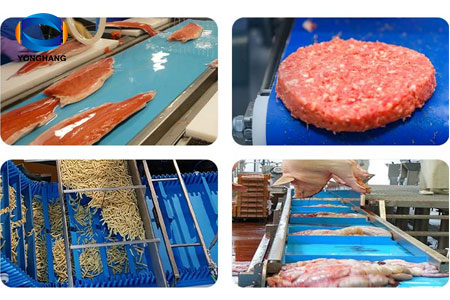
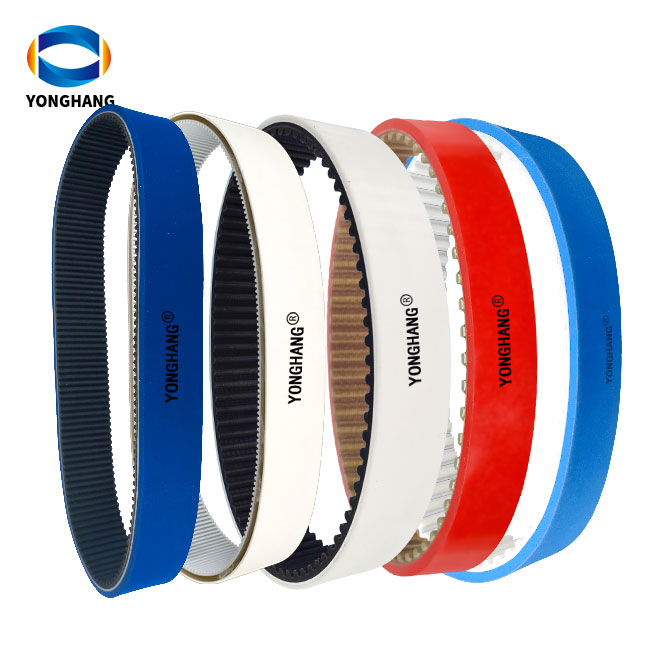
Food grade:Silicone is also a material that can be used for food contact. The silicone timing belt produced by Yonghang has passed the FDA and CE certifications.
Ideal Uses:
High-temperature applications (e.g., automotive engines, industrial ovens, and food processing industries)
Clean environments (e.g., medical and food handling sectors)
Precise applications requiring flexibility and resistance to heat
2. Rubber timing(Synchronous)Belts
Material:
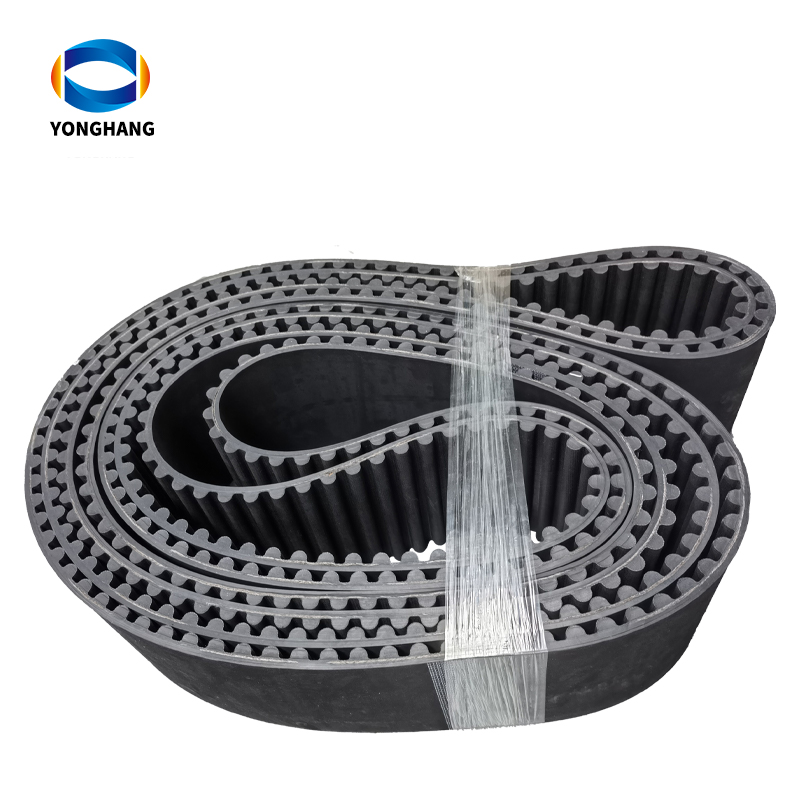
Made from Natural or Synthetic Rubber: These belts are generally made from rubber compounds, which are often mixed with reinforcing fibers like aramid, fiberglass for added strength and durability.
Key Features:
Tensile Strength: Rubber timing belts offer good tensile strength, providing reliable power transmission and durability under normal working conditions.
Flexibility: Rubber timing belts are more flexible than polyurethane or silicone belts, allowing them to be used in various applications with moderate load requirements.
Temperature Resistance: While rubber belts have moderate heat resistance (typically up to 120°C), they are not as heat-resistant as silicone timing belts.
Wear Resistance: Rubber timing belts generally have good wear resistance but can degrade faster when exposed to extreme conditions like heat, chemicals, or heavy abrasion.
Cost-Effective: Rubber timing belts are usually more affordable than silicone or PU belts, making them a popular choice in many industrial and automotive applications.
Ideal Uses:
Automotive engines (for engine timing systems)
Industrial machinery (for moderate-load applications)
Conveyor systems (where flexibility and cost-effectiveness are important)
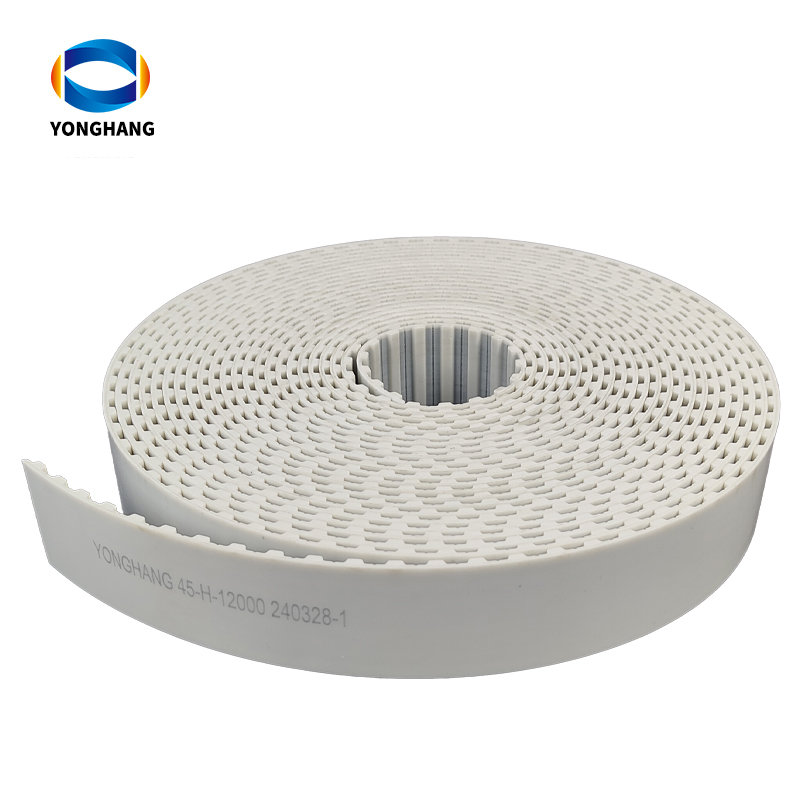
3. PU timing Belts&Polyurethane Synchronous Belt
Material:
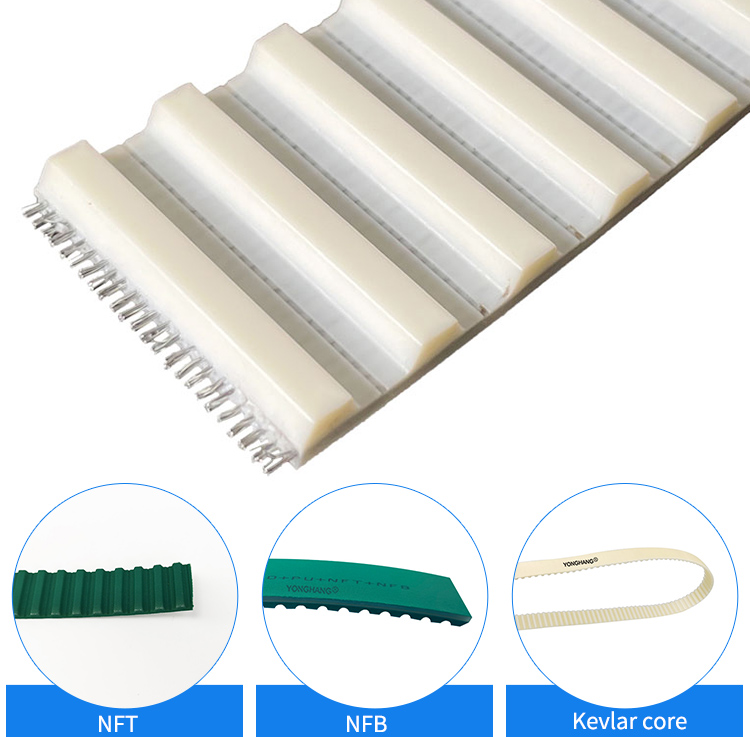
Made from Polyurethane: PU timing belts are made from a synthetic thermoplastic polymer known for its high durability and mechanical properties. Polyurethane can be combined with reinforcing materials such as Kevlar,steel and carbon fiberl to increase its strength.
Key Features:
High Wear Resistance: Polyurethane synchronous belts are highly resistant to abrasion, making them suitable for applications where high wear and tear are expected.
Chemical Resistance: PU timing belts perform very well in environments where exposure to oils, greases, and certain chemicals is a concern.
High Load Capacity: PU timing belts are known for their superior load-bearing capacity, making them suitable for heavy-duty industrial applications.
Temperature Range: PU timing belts have a moderate temperature resistance range (typically -30°C to +80°C), but they are not as heat-resistant as silicone belts.
Low Stretch: Polyurethane synchronous belts are known for minimal stretch, which helps maintain their precision and performance over time.
Ideal Uses:
Heavy-duty applications (e.g., industrial machinery, robotics)
Precision timing applications where consistent load-bearing capacity is critical
Conveyor systems in industries where high wear resistance and chemical exposure are common (e.g., food processing, packaging)
There is also a material that is rarely seen by everyone.
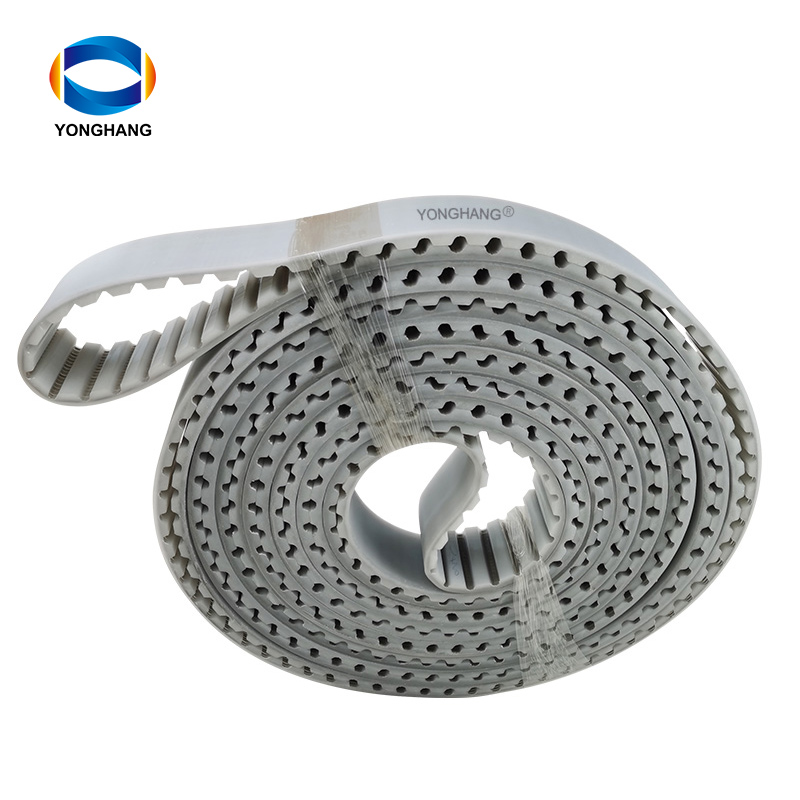
PE timing belts
Material:
Made from Polyethylene:PE (Polyethylene) timing belts made of thermoplastic polyethylene materia,Odorless and non-toxic, with a texture similar to wax,they often have a high-strength stainless steel wire rope as the core layer to enhance tensile strength.
Key Features:
Acid and alkali resistant:excellent resistance to chemical corrosion making them particularly suitable for use in harsh environments.
low temperature resistant:Can be used in an environment of -70℃
stainless steel wire:rust protection
but they are not as heat-resistant as silicone timing belts or rubber timing belt.The highest temperature is 80℃.
Ideal Application:
semiconductor industry:The exceptional chemical stability of PE timing belts prevents contamination of silicon wafers, ensuring the high precision and purity requirements for chip manufacturing.
photovoltaic industry:PE timing belts Surface Etching Treatment of Silicon Wafers,Its low friction coefficient and excellent flexibility minimize the risk of scratches during wafer transportation, ensuring wafer surface quality.The field of electronic electroplating:Gently place metal components into the etching tank and cleaning tank.PE material Will not undergo a chemical reaction with the electroplating solution
| Summary of Differences | ||||
| Feature | Silicone timing belts | Rubber timing belts | PU timing belts | PE timing belts |
| Material | Silicone | Natural/CR Rubber | Polyurethane | Polyethylene |
| Working temperature | -40℃~+220℃ | -30℃~+120℃ | -20℃~+80℃ | -70°C~+80℃ |
| Wear Resistance | Moderate | Good | High | Good |
| Flexibility | Very flexible | Flexible | Less flexible (but strong) | Less flexible |
| Chemical Resistance | Good (especially in food, medical) | Moderate | Excellent (resistant to oils, chemicals) | Excellent(acid and alkali resistant) |
| Tensile Strength | Moderate | Good | High | High |
| Load-Bearing Capacity | Moderate | Moderate | High | High |
| Service Life | Long (in high-temperature settings) | Moderate to Long | Long (especially in high-wear environments) | Long (especially in acid,alkali resistant and low temperature) |
| Noise Level | Low | Moderate to High | Low to Moderate | Low to Moderate |
| Cost | Moderate to High | Low | Moderate to High | Moderate to High |
Purchase Guide
Choosing between silicone, rubber, polyurethane,PE timing belts depends largely on the specific requirements of your application. Here’s a quick guide to help you make the right decision:
Silicone Timing Belts: Best for high-temperature, clean, or food-sensitive environments where flexibility and heat resistance are key. Ideal for precise applications like in automotive engines or industrial ovens.
Rubber Timing Belts: A cost-effective option suitable for general applications with moderate wear and temperature exposure. Perfect for automotive engines, conveyor systems, and moderate industrial machinery.
PU Timing Belts: Ideal for heavy-duty or high-precision applications that require high wear resistance and load-bearing capacity. Best for industrial machinery, robotics, or heavy-load conveyor systems.
PE Timing Belts:Suitable for environments with low temperatures and high corrosiveness,such as: cold storage, electroplating industry, salt spray testing transmission and transportation.
If you’re looking for high-quality, affordable timing belts in 2025, consider the offerings of Guangzhou Yonghang Transmission Belt Co., Ltd., a trusted manufacturer specializing in high-performance timing belts. With a wide range of products designed to meet the needs of various industries, Guangzhou Yonghang provides reliable solutions that combine excellent material properties with competitive prices.