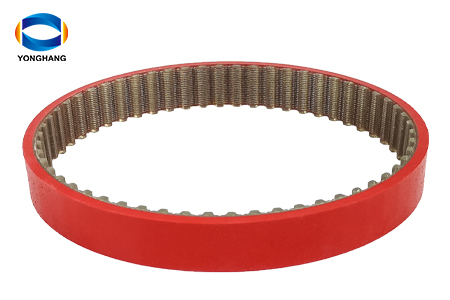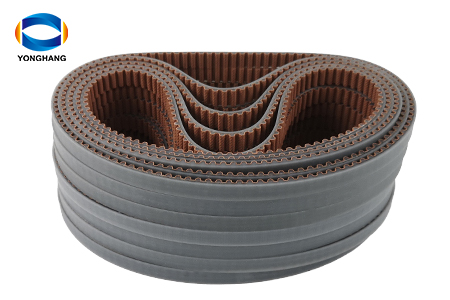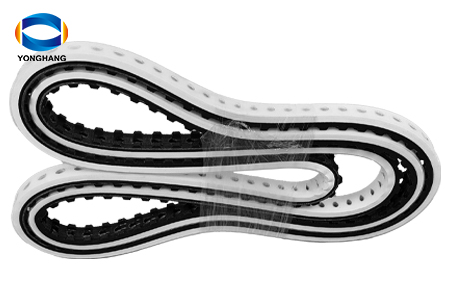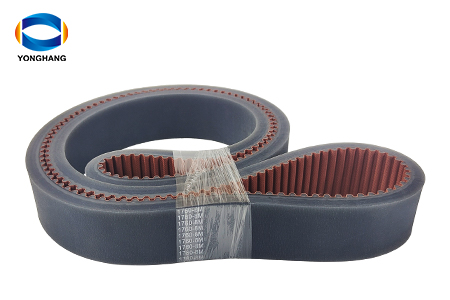
In high-speed printing workshops, every shutdown means lost production capacity and delivery deadline pressure. From exquisite packaging boxes to high-quality publications, even the slightest scratch during the conveying process can cause value loss. Traditional conveyor belts suffer from issues like weak splices, cumbersome replacements, and surface damage—problems that are particularly acute in the printing industry, where surface quality demands are extremely high. However, an innovative solution is transforming this landscape: ZipLink belts. With their unique technical advantages, they are rapidly becoming the preferred conveying choice in the printing industry.
Reason One: ZipLink Belts Ensure Zero-Damage Conveying, Perfectly Preserving the Surface Value of Printed Materials
The printing industry’s unique value lies not only in functionality but also in the visual and tactile integrity of its surfaces. Traditional conveyor belts, with their mechanical fasteners (such as hooks and rivets) or uneven seams, easily leave indentations, scratches, or friction marks on exquisite printed surfaces, downgrading or even scrapping finished products.
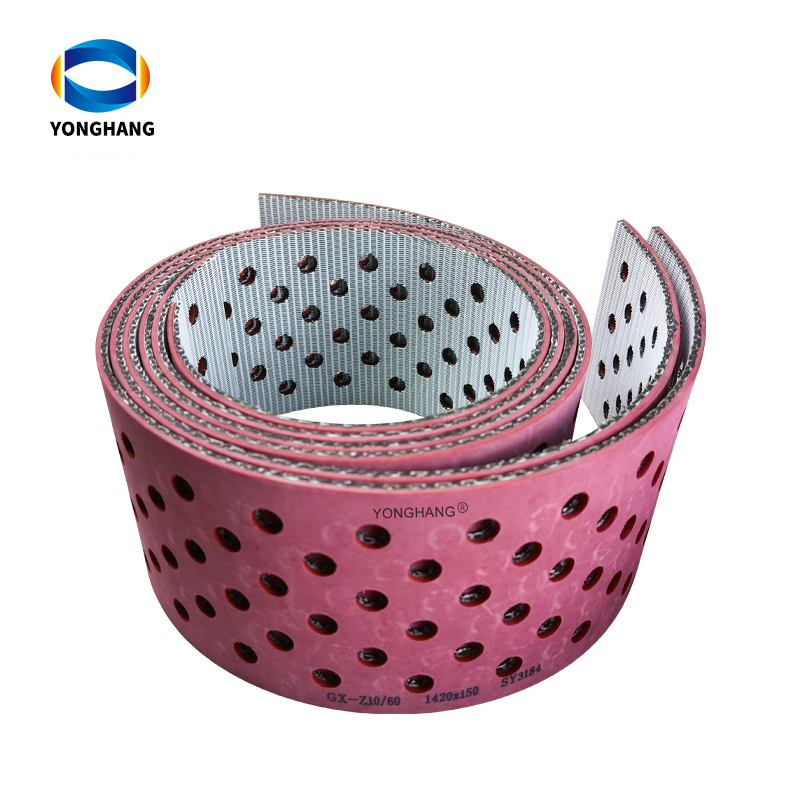
ZipLink Belt’s Revolutionary Solution:
– Fastener-Free Smooth Surface: Its unique spiral-linked mesh structure enables seamless splicing, creating a uniformly flat conveying surface that completely eliminates damage risks from traditional fasteners.
– Customized Covering Material: Offers specialized rubber coverings for the printing industry—soft in texture and low-static—preventing adhesion or abrasion on ink-damp or surface-sensitive printed materials.
Consistent Contact Pressure: Uniform tension distribution ensures balanced force application during transport, ideal for deformable materials like corrugated cardboard, hardcover book jackets, and laminated prints.
Feedback from a major packaging and printing company: “Since switching to ZipLink belts, surface defect complaints caused by conveyor belts have dropped by over 90%. This is especially critical for high-end client orders.”
Reason Two: Minute-Level Rapid Replacement Maximizes Printing Equipment Uptime
The printing industry operates on tight production schedules with frequent job changes. Different products may require distinct conveyor belt properties—such as color, friction coefficient, and oil resistance. Replacing traditional belts demands specialized personnel, dedicated tools, and lengthy downtime—thermal vulcanization requires hours to cure, while mechanical splicing also halts production for half a day.
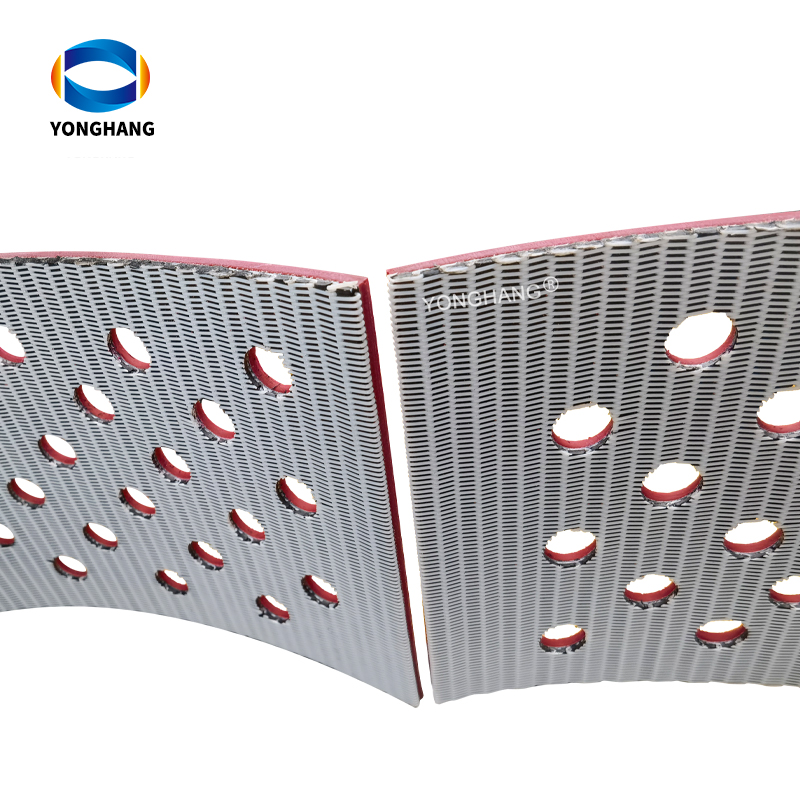
ZipLink Belts’ Efficiency Revolution:
On-site Instant Splicing: No waiting, no external technical support required. Shop floor personnel can replace or repair an entire conveyor belt within 30-60 minutes.
Modular Flexible Adjustment: Quickly adjust belt length or replace specific sections based on order requirements, perfectly adapting to short-run printing and personalized customization trends.
Planned Maintenance Without Production Disruption: Maintenance can be swiftly completed during production breaks or shift changes, avoiding impacts on normal production schedules.
A production manager at a commercial printing center stated: “We average 3-4 job changes daily. ZipLink belts let us complete conveyor belt adjustments during lunch breaks, boosting equipment utilization by nearly 15%.”
Reason Three: Universal Roll Compatibility and Smart Inventory Management Address Diverse Printing Demands
Printing companies often operate multiple printing and finishing machines with varying widths and specifications. Under traditional models, each machine requires a complete set of spare conveyor belts, tying up substantial capital and storage space while creating cumbersome management.
ZipLink Belt’s Inventory Optimization Intelligence:
Single Roll Covers Multiple Devices: Stocking only ZipLink rolls matching specific widths meets all requirements for identical-width equipment, reducing inventory types by over 70%.
On-Demand Cutting with Zero Waste: Precisely cut to each machine’s exact length, eliminating potential sizing errors or waste associated with traditional custom conveyor belts.
Rapid Response to Special Requirements: When handling orders for special materials (e.g., magnetic printing, metallic inks requiring specialized conveying surfaces), ZipLink belts with corresponding properties can be swiftly deployed for temporary modifications.
A supply chain manager at a group printing enterprise calculated the savings: “Previously, we maintained 24 spare belts for 12 machines. Now, we only need 4 rolls of ZipLink belts in different widths. This reduces warehouse space by 80% and cuts spare inventory capital tied up by 60%.”
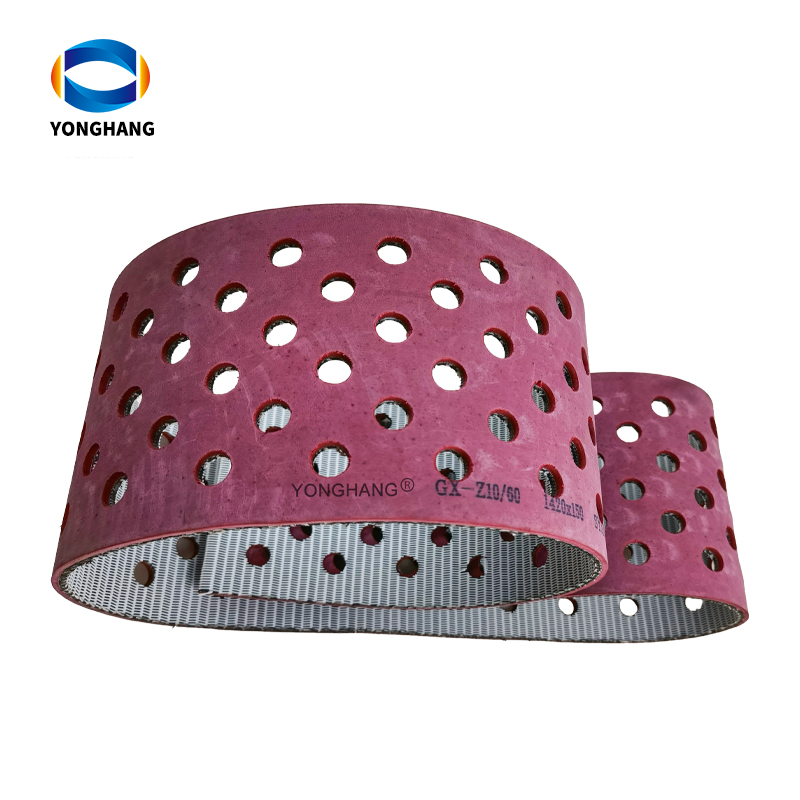
Beyond Conveying: The Added Value ZipLink Belts Bring to the Printing Industry
Beyond the three core advantages mentioned above, ZipLink belts deliver deeper transformations in printing applications:
Enhanced Hygiene Standards: For printed materials with stringent sanitary requirements—such as food packaging and pharmaceutical labels—ZipLink belts’ seamless surface facilitates easier cleaning and disinfection, eliminating dead corners where dirt can accumulate.
Color Management Compatibility: Specifically formulated light-colored or white cover layers prevent color bleeding that could contaminate products or compromise the accuracy of printed material color inspection systems.
Sustainability Contribution: Localized wear allows replacement of only damaged modules instead of entire conveyor belts, significantly reducing material waste. This aligns perfectly with the printing industry’s growing emphasis on green production principles.
The Shift from “Essential Component” to “Strategic Advantage”
In an increasingly competitive printing market, differentiation often lies in the details. The ZipLink belt solution addresses long-overlooked yet profound pain points in printing production—surface protection, efficiency loss, and inventory costs—empowering printing enterprises to transform the conveying process from a passive “cost center” into an active “efficiency engine” and “quality assurance point.
”This represents not merely a product upgrade, but a paradigm shift in production thinking: integrating principles of flexibility, sustainability, and precision management into every stage of the production process. As more printing companies adopt this innovative solution, ZipLink belts are redefining material handling standards in the industry, empowering businesses to establish genuine competitive advantages across quality, efficiency, and cost control. In the pursuit of ultimate efficiency and quality in printing, choosing the right conveying solution means choosing a smarter, smoother path to production excellence.