Professional anti-static low-static PVC conveyor belt
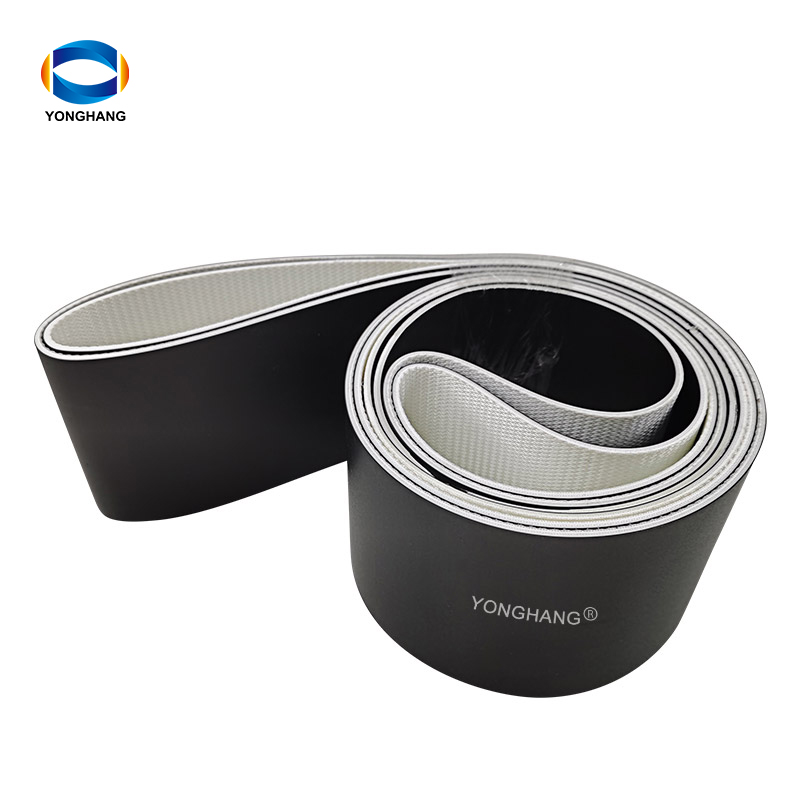
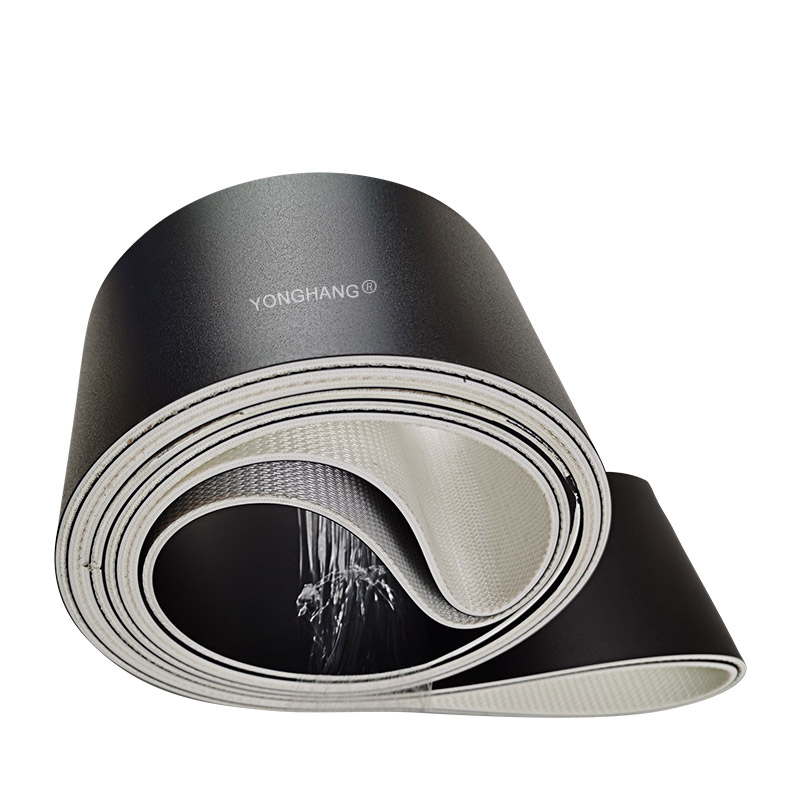
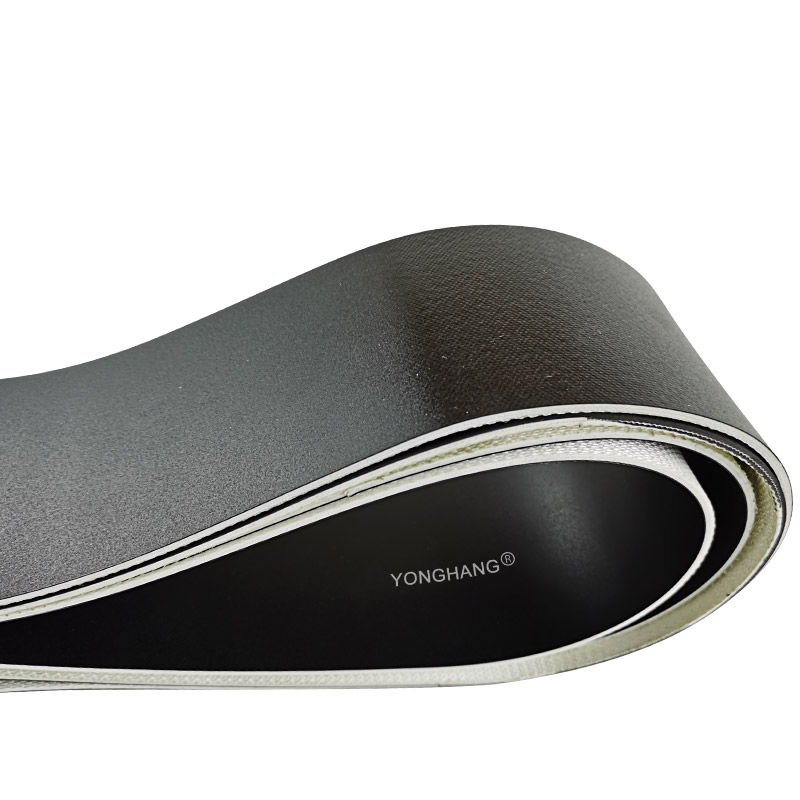
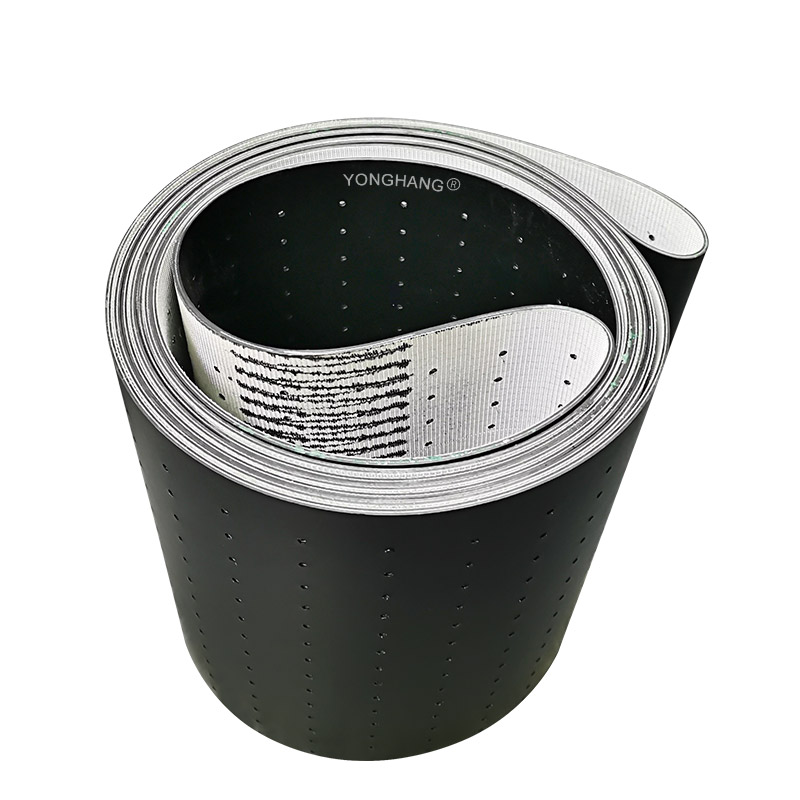

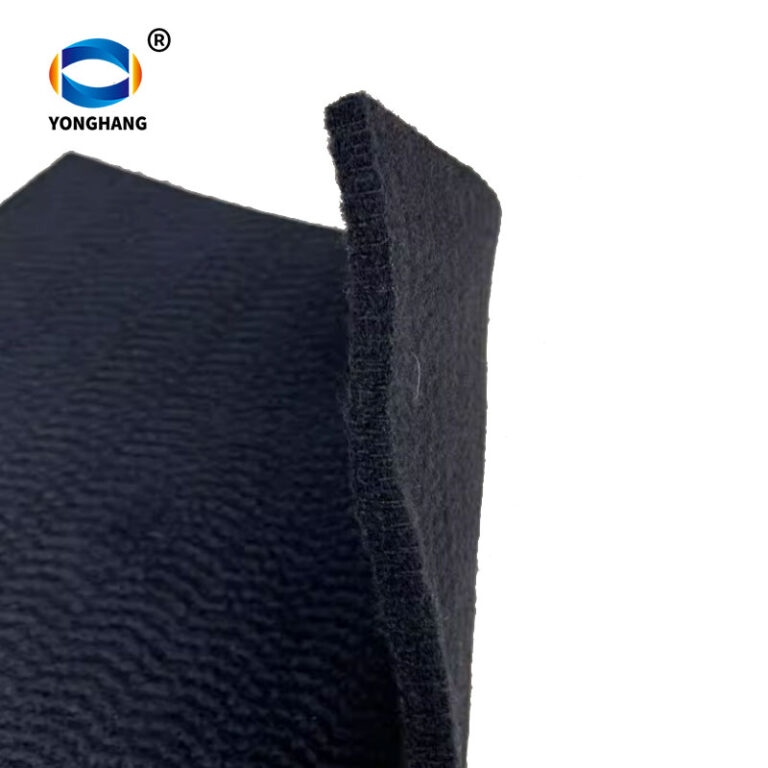
Designed specifically for electrostatic-sensitive environments! Our low-static PVC conveyor belt features excellent conductive or dissipation properties, ensuring the safe transportation of electronic components and precision products. View specifications and applications immediately In electrostatic-sensitive industries such as electronics, pharmaceuticals, and precision instrument manufacturing, selecting the right conveyor belt is critical. Our low-static PVC conveyor belts are…
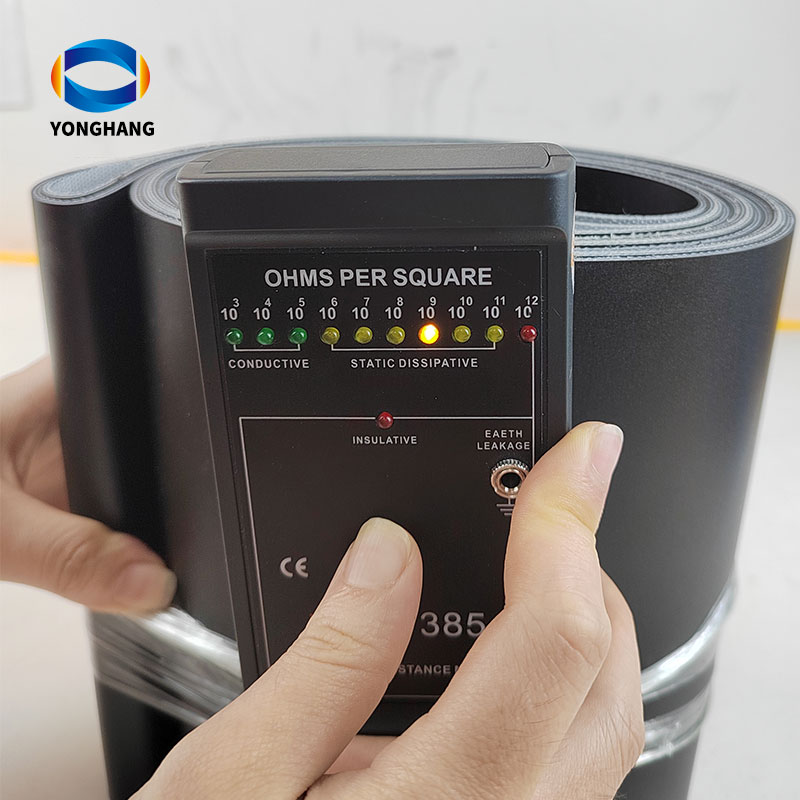
Designed specifically for electrostatic-sensitive environments! Our low-static PVC conveyor belt features excellent conductive or dissipation properties, ensuring the safe transportation of electronic components and precision products. View specifications and applications immediately
In electrostatic-sensitive industries such as electronics, pharmaceuticals, and precision instrument manufacturing, selecting the right conveyor belt is critical. Our low-static PVC conveyor belts are specifically engineered to address electrostatic buildup, effectively dissipating charges to ensure your sensitive products remain safe and stable during transport.
Data Table
| Parameter | Description | Range |
| Thickness | Total thickness of the conveyor belt (in mm) | 1.5mm – 6.0mm |
| Tensile strength | Maximum tensile strength of conveyor belt material (in N/mm) | 120N/mm – 200N/mm |
| Static electricity suppression value | Static suppression factor for conveyor belt surfaces (in Ω) | 10^6 – 10^9 Ω |
| Applicable temperature range | Operating temperature range that the belt can withstand (in °C) | -10°C to +70°C |
| Coefficient of friction | Coefficient of friction between conveyor belt surface and material for anti-slip properties (unitless) | 0.4 – 0.5 |
| Weight | Weight per square meter of conveyor belt (in kg/m²) | 2.5kg/m² – 6.0kg/m² |
| Surface treatment | Conveyor belt surface treatment determines material sliding characteristics | Matte finish and glossy finish |
| Conveying speed | Recommended maximum conveying speed (unit: m/s) | 1.5m/s – 2.5m/s |
Application
Electronics and Semiconductor Manufacturing: This is the core application area, used for conveying wafers, chips, circuit boards, and precision electronic components. It effectively prevents electrostatic damage to sensitive devices, serving as a critical factor in ensuring production yield. Examples include: SMT placement, chip packaging
Automotive and New Energy: On production lines for automotive electronics and lithium batteries (especially during cell assembly), anti-static conveyor belts are vital for ensuring product quality and safety.
Biopharmaceutical and Medical: In production or packaging processes requiring clean environments (GMP workshops), it prevents static-induced dust adhesion, safeguarding product cleanliness.
Chemical and Specialized Industries: Used for transporting materials like powders, granules, or films that may pose risks due to static buildup.
Why Choose Yonghang Industrial Solutions for Your Manufacturing Needs?
Discover how our innovative conveyor belt solutions enhance efficiency, reduce downtime, and provide reliable performance for all your industrial needs.
Inspection Report
Yonghang possesses authoritative third-party test reports verifying that its key parameters, including surface resistivity and electrostatic decay time, meet industry standards.
Technological Innovation
Yonghang possesses 10 belt splicing machines of varying widths, 10 hot melt machines, and 8 tooth-cutting machines, including advanced conveyor belt production equipment such as stop block hot melt machines and skirt hot melt machines.
Our enterprise pass ISO 9001 quality management system certification and is recognized as a high-tech enterprise.
Professional Services
Provide one-on-one technical support, respond quickly to customer needs, and offer lifetime after-sales service.
Diversified Choices
Offering diverse industry solutions and customized services, with over 12,000+ satisfied customers attesting to our expertise and extensive experience in industry-specific customization.Served industry leaders (SMIC, BYD, etc.)